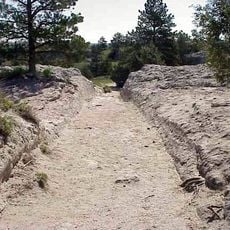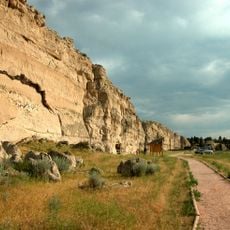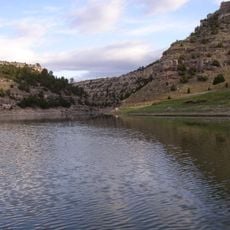
Cheyenne-Black Hills Stage Route and Rawhide Buttes and Running Water Stage Stations, Historic stagecoach route district in Wyoming, United States.
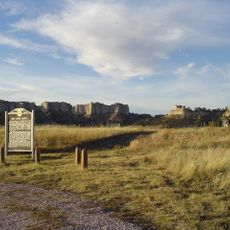
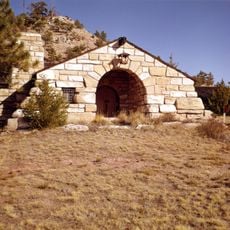
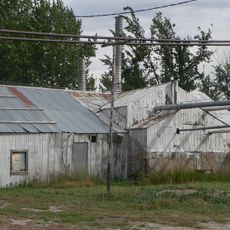
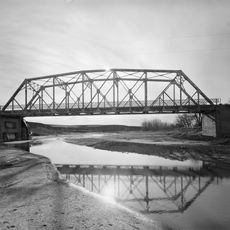
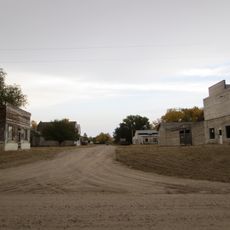
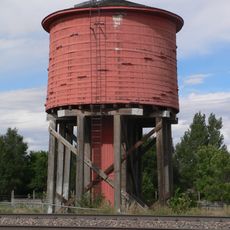
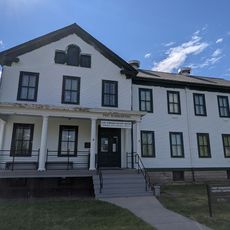
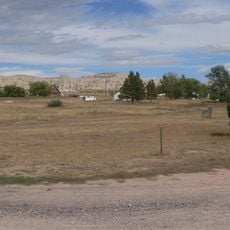
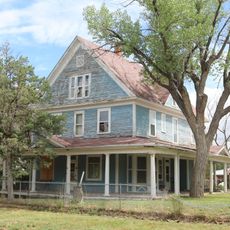
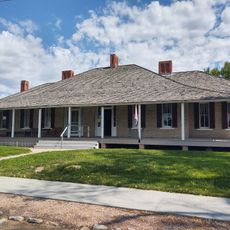
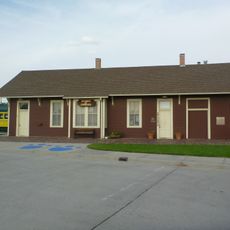
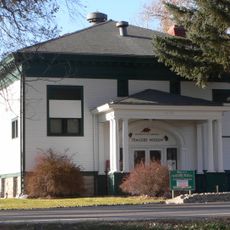
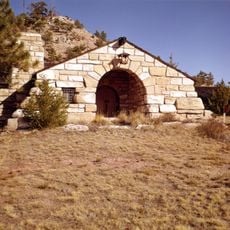
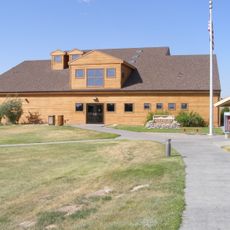
The Cheyenne-Black Hills Stage Route was a stagecoach line connecting Wyoming and South Dakota through two main stations, Running Water and Rawhide Buttes, located at crucial stops along the trail. The route crossed remote terrain with scattered station buildings, barns, and support structures positioned to serve travelers moving goods and people across the frontier.
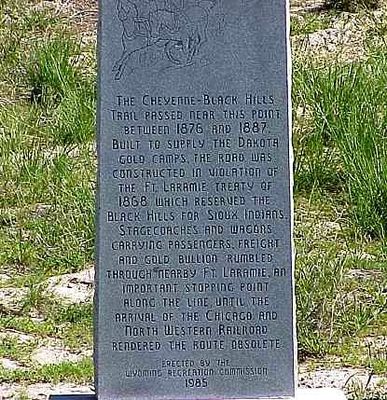
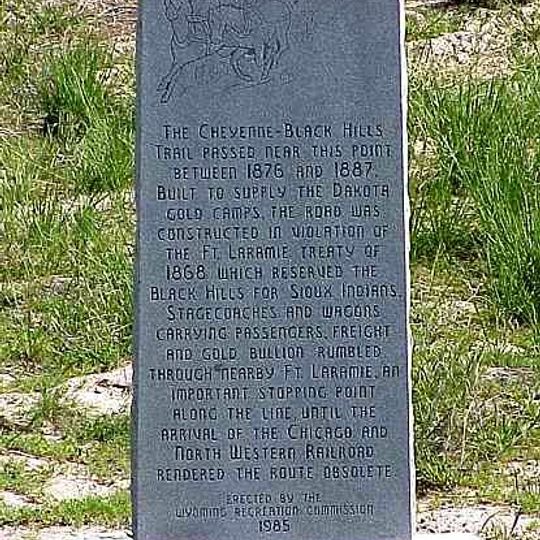
The route opened in 1876 to transport passengers, freight, and gold between Cheyenne and Deadwood across challenging terrain. Railroad expansion around 1887 eliminated the need for stagecoach travel, ending this transportation era and leaving the stations behind.
These stations were gathering places where travelers stopped to rest, eat, and exchange news during long journeys across the frontier. They represented lifelines of communication and commerce in a remote part of the expanding nation.
This historic district spans a wide area, so plan ahead to visit the scattered station sites and building remnants. Having information about specific locations beforehand helps you navigate the landscape and understand what each site represents.
Gold mining activity flourished in this area during the 1880s, adding another layer of economic activity to the struggling stage route. This mining boom coincided with the rise of nearby Lusk as a railroad hub, drawing people and resources away from the old stagecoach stations.
The community of curious travelers
AroundUs brings together thousands of curated places, local tips, and hidden gems, enriched daily by 92,789 contributors worldwide.