Rocky Mountains, Mountain range across western North America, United States and Canada
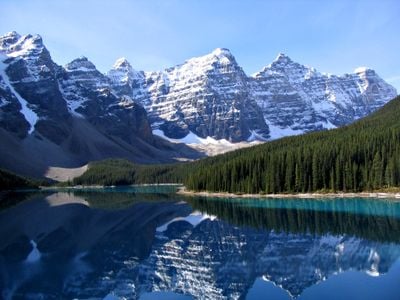
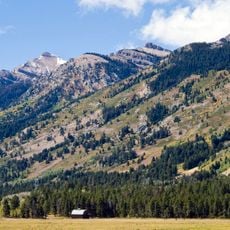
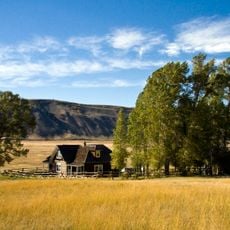
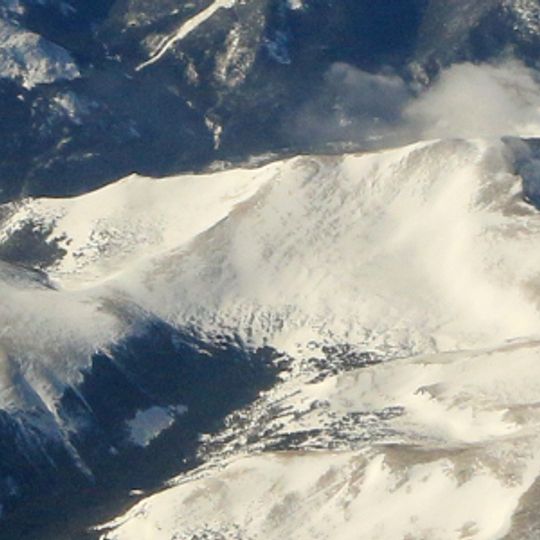
This mountain system stretches roughly 4800 kilometers from British Columbia down to New Mexico, built from layers of metamorphic, igneous, and sedimentary rock that rise as high as 4401 meters (14,440 feet). Wide valleys, high plateaus, and jagged peaks alternate across the terrain, shaped by glaciers, rivers, and forests of pine and spruce.
People lived in this region as early as 10,000 to 8,000 BCE, gradually forming settled communities over thousands of years. During the 19th century, the search for furs, gold, and overland routes brought waves of European settlement that transformed Indigenous ways of life.
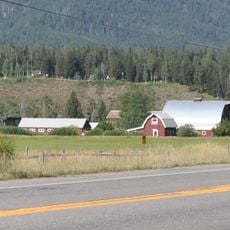
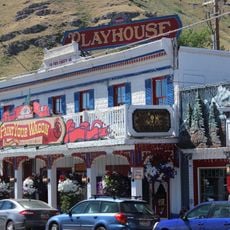
Throughout the valleys and passes, communities maintain traditions tied to ranching, rodeo culture, and seasonal gatherings that reflect life shaped by high altitude and open terrain. Visitors may also encounter First Nations communities who preserve languages, ceremonial practices, and sometimes operate cultural centers or artisan markets open to the public.
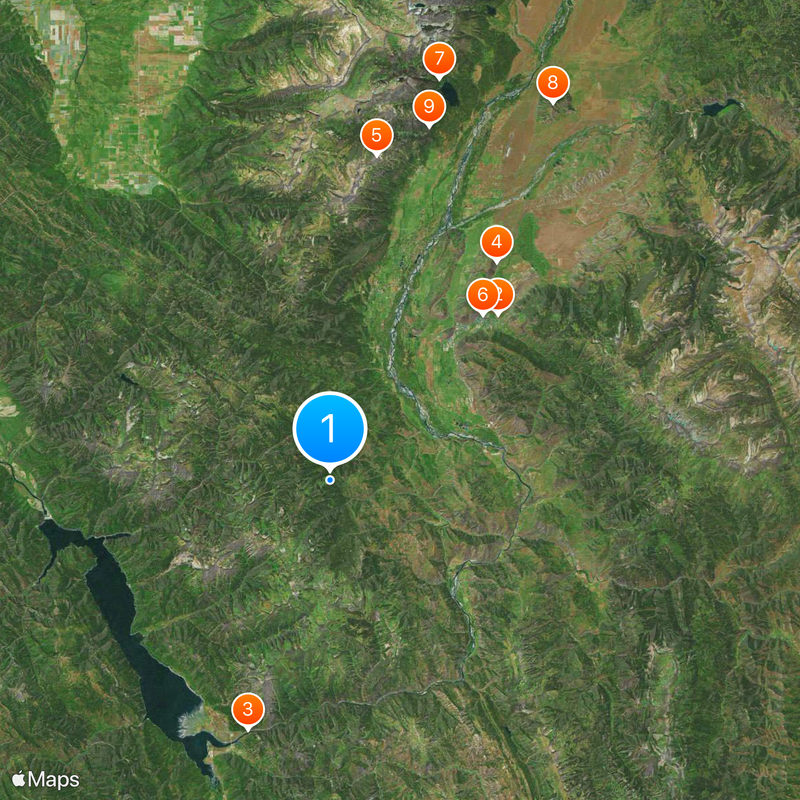
Access points are scattered across multiple states and provinces, with national parks, forest roads, and trailheads offering entry at different elevations and levels of development. Weather shifts quickly with altitude, so visitors should carry warm layers and plenty of water, especially when heading above the tree line.
The continental divide runs along these mountains, determining whether rivers flow toward the Pacific or the Atlantic. In some places, you can stand on opposite sides of a ridge and watch water drain in completely different directions.
The community of curious travelers
AroundUs brings together thousands of curated places, local tips, and hidden gems, enriched daily by 91,658 contributors worldwide.