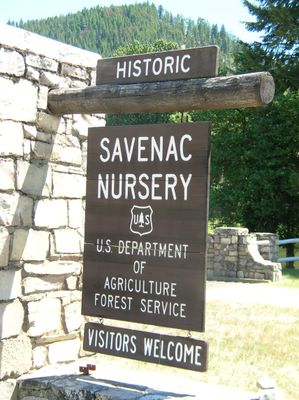
Mineral County, Administrative division in Northwestern Montana, US.
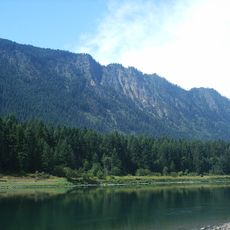
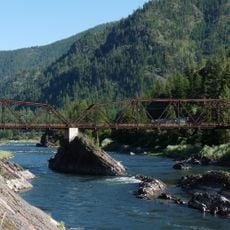
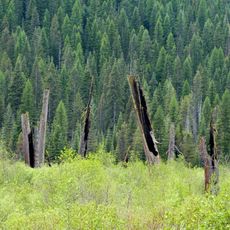
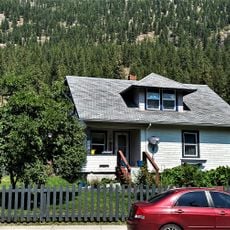
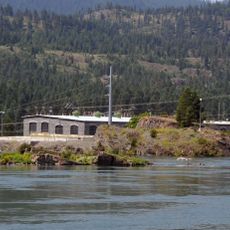
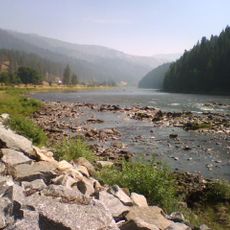
Mineral County is an administrative division in northwestern Montana covering mountainous terrain dominated by forest and river systems. The landscape includes the Lolo National Forest and is drained by the St. Regis and Clark Fork rivers, which form natural boundaries and waterways through the region.
The county was established in 1914 and named after substantial mineral deposits discovered throughout the mountainous terrain. These resources attracted early settlers and mining activity, which shaped the initial development of communities across the area.
Residents here value outdoor traditions and self-reliance, with communities organized around logging, agriculture, and tourism tied to the forests and rivers. Small-town life revolves around these local industries and the natural landscape that shapes how people live and work.
Interstate 90 and Montana Highway 135 provide the main access routes to the county seat of Superior and smaller communities throughout the area. These highways are essential for travel, and winter conditions can affect road accessibility, so checking road status before travel is advisable.
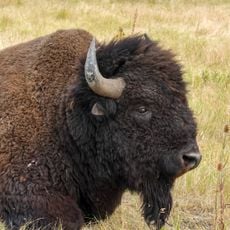
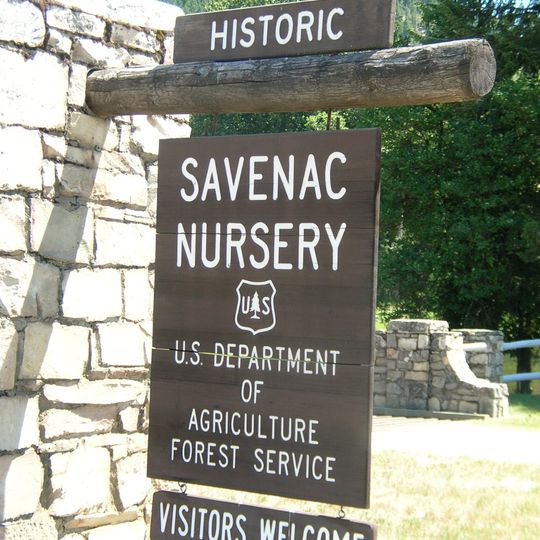
The region plays an important role in wilderness preservation through management of the Lolo National Forest, which protects natural habitats for wildlife. This forest serves as a crucial corridor for bears, elk, and deer that migrate through the mountains and valleys.
The community of curious travelers
AroundUs brings together thousands of curated places, local tips, and hidden gems, enriched daily by 90,828 contributors worldwide.