Fossil Cycad National Monument, Paleontological site in Fall River County, South Dakota, United States.
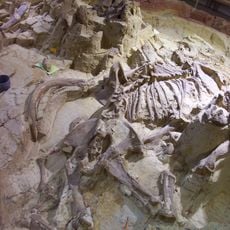
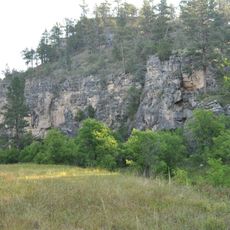
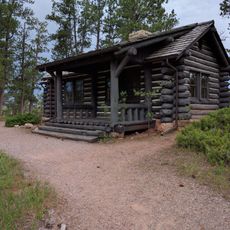
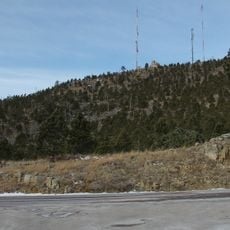
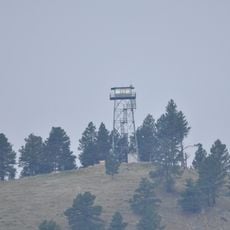
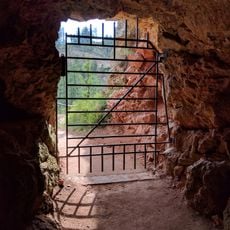
Fossil Cycad National Monument is a paleontological site in the Black Hills that preserves fossilized remains of cycadeoid plants. The roughly 320-acre area contains plant fossils from the Cretaceous period, dating back approximately 120 million years.
The site was designated a national monument by President Warren G. Harding in 1922, becoming the third monument specifically created to protect fossil resources. Excavation operations ended in 1957 when the most productive fossil deposits were depleted.
The site contributed to paleobotanical research through George Reber Wieland's extensive studies, resulting in the publication of American Fossil Cycads by Carnegie Institution.
The site is difficult for the public to access today and is managed by the Bureau of Land Management. Visitors should check current conditions and access rules beforehand, as the location no longer operates regular tours or facilities.
The discovered cycadeoid specimens revealed unknown details about prehistoric plant reproduction structures preserved within their fossilized trunks. These findings significantly advanced understanding of ancient plant biology.
The community of curious travelers
AroundUs brings together thousands of curated places, local tips, and hidden gems, enriched daily by 91,427 contributors worldwide.