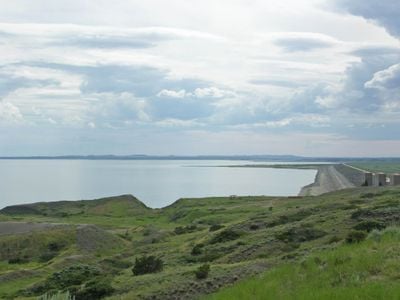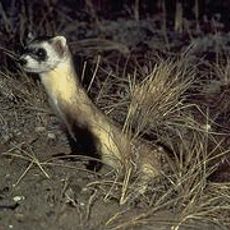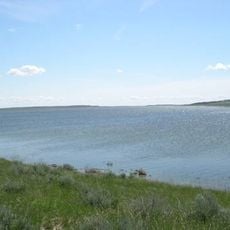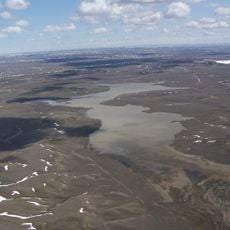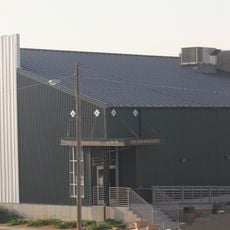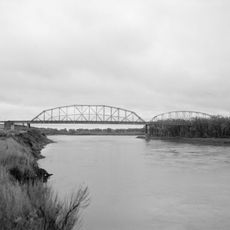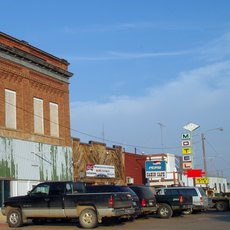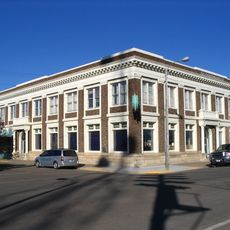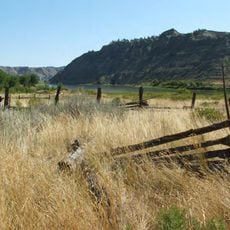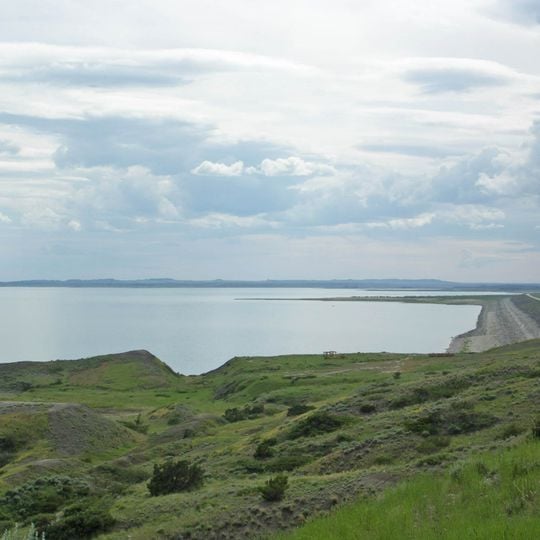
Fort Peck Lake, Reservoir in eastern Montana, US.
Fort Peck Lake is a reservoir on the Missouri River in eastern Montana, impounded by Fort Peck Dam, a hydraulic-fill earth dam 6,409 to 6,464 metres long and 75 to 78 metres high. The lake runs 216 kilometres through central Montana, with a shoreline of about 2,432 kilometres and a maximum depth of 67 metres. Its surface covers 981 square kilometres, making it Montana's largest lake by area.
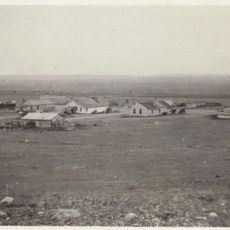
The dam was built during the 1930s as part of a work relief program and river management effort. Thousands of workers constructed the structure, which permanently altered the Missouri River channel and created new habitats for wildlife.
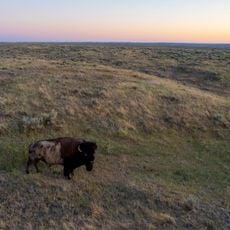
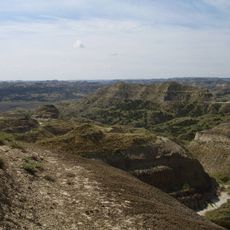
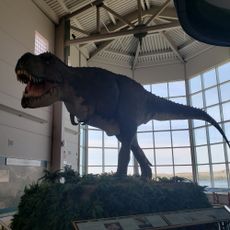
The reservoir lies entirely within the Charles M. Russell National Wildlife Refuge, named after the Montana artist known for his paintings of the Old West. The refuge is known for fossil finds, including the skull of a Triceratops. A photograph of the Fort Peck dam by Margaret Bourke-White appeared on the first issue of Life magazine on 23 November 1936.
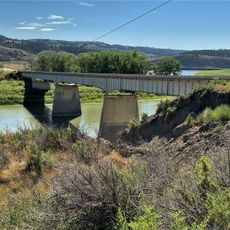
The shoreline can be reached at several points via paved roads, though some sections remain remote and require preparation. The area suits boating, camping, and wildlife watching, with weather that can change quickly throughout the year.
The water holds paddlefish that can reach over 3 feet (1 meter) in length and rank among the oldest fish species in North America. Anglers visit to catch these unusual creatures along with chinook salmon, which live in this inland water far from the Pacific Ocean.
The community of curious travelers
AroundUs brings together thousands of curated places, local tips, and hidden gems, enriched daily by 93,782 contributors worldwide.