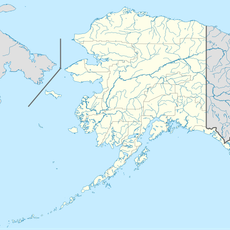
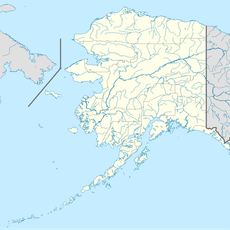
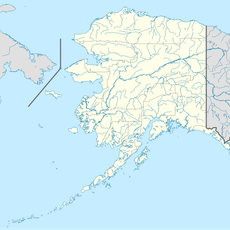
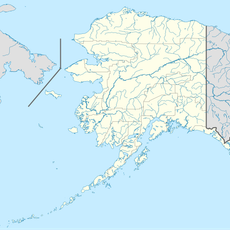
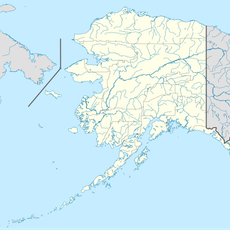
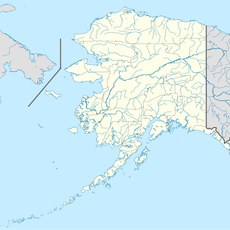
Cape Spencer Light, Maritime lighthouse in Cross Sound, United States
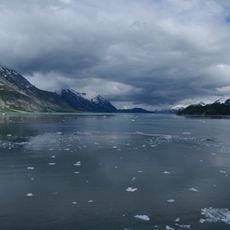
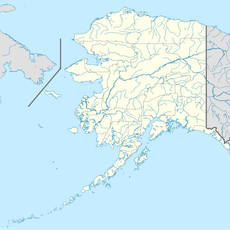
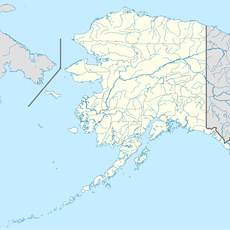
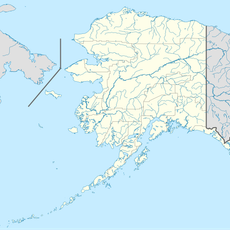
Cape Spencer Light is a white concrete tower with a black gallery and red roof situated on a small islet at the entrance to Cross Sound. The station is equipped with a solar-powered Vega optic that transmits its signal to guide vessels moving between the Outside Passage and Inside Passage routes.
The lighthouse was built in 1925 following Congressional funding allocated in 1912 specifically for Alaska navigation aids. This construction was part of a broader effort to improve safety for increasing ship traffic through Alaskan waters.
The lighthouse became part of the National Register of Historic Places in 1975, reflecting its role in guiding maritime traffic along this remote Alaskan waterway. Ships passing through these waters rely on its light as a navigation landmark.
The island has no landing place; sheer cliffs rise on all sides. Access is by helicopter or by a sixteen-foot fiberglass boat hooked to a crane and swung over the edge, dropped sixty feet to the water. The same crane hoists cargo nets of supplies onto the boathouse deck. The nearest sheltered landing for float planes is Dicks Arm, a fjord about a mile away.
Cape Spencer was the first lighthouse in Alaska to receive radiobeacon facilities, installed in 1926. The station's crew of four — a First Class Boatswain's Mate in command, a Second Class Engineman, a Seaman and a Fireman — each served a full year on the island, stood four-hour watches and were rarely relieved before their tour ended.
The community of curious travelers
AroundUs brings together thousands of curated places, local tips, and hidden gems, enriched daily by 94,444 contributors worldwide.