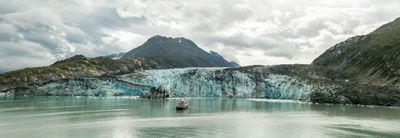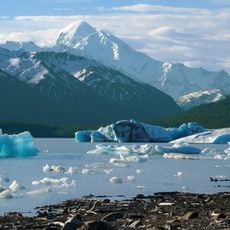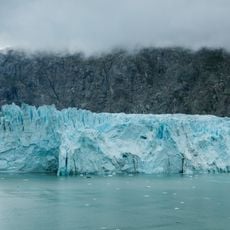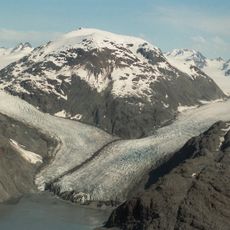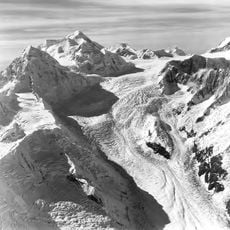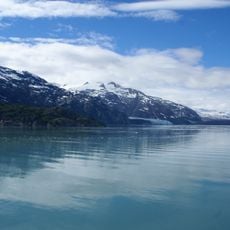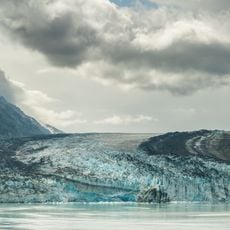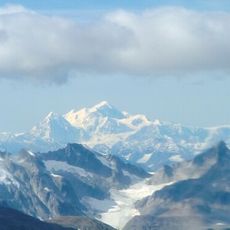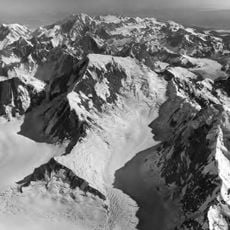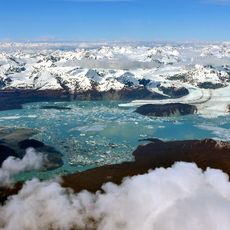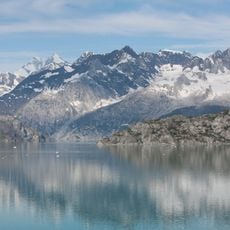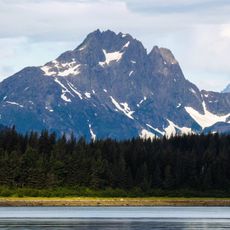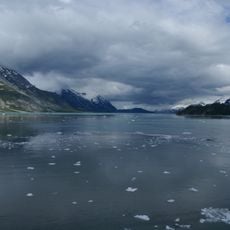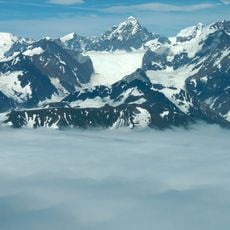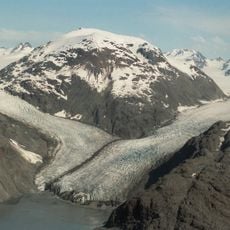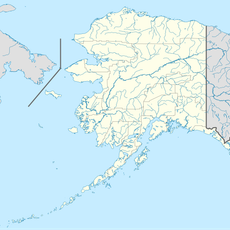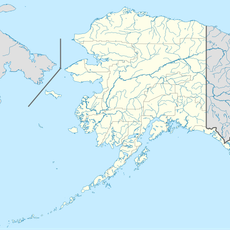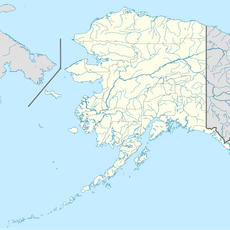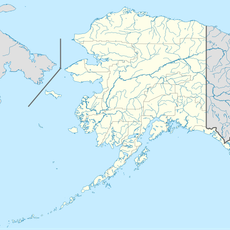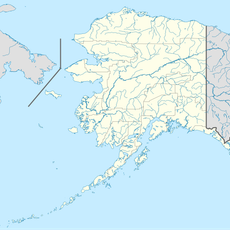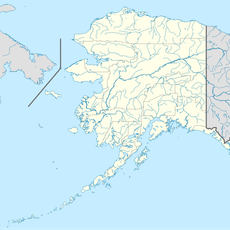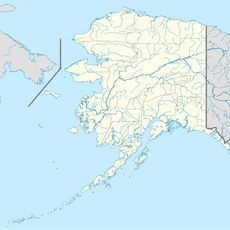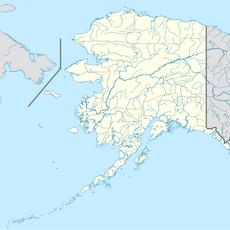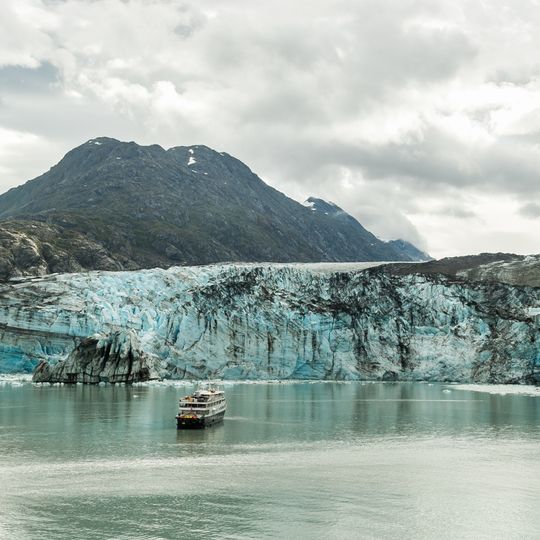
Johns Hopkins Glacier, Tidewater glacier in Glacier Bay National Park, Alaska.
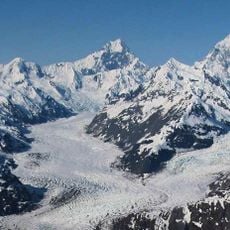
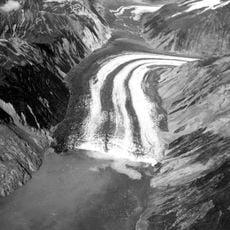
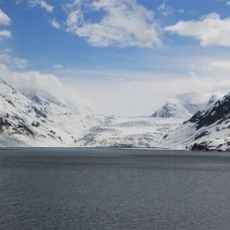
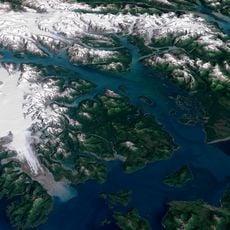
Johns Hopkins Glacier is a tidewater glacier in Glacier Bay National Park that flows from Lituya Mountain down to Johns Hopkins Inlet. The ice face rises approximately 250 feet above the water and continuously feeds meltwater channels that flow into the inlet below.
The glacier was named in 1893 by explorer Harry Fielding Reid during his Alaskan expedition, after Johns Hopkins University in Baltimore. This naming honored the scientific institution that supported the exploratory work in the region.
Scientists from multiple research institutions conduct regular studies at the glacier to monitor climate changes and glacial movement patterns.
Visitors can only reach this glacier by boat tour through Johns Hopkins Inlet, where navigation is restricted to protect the marine environment. Plan to arrive prepared for water conditions and follow all guidance from tour operators.
Two distinct meltwater channels flow from the eastern and western edges of the ice, creating visible upwelling patterns in the inlet. These surging currents are easily spotted from tour boats and reveal how actively the glacier releases water into the bay.
The community of curious travelers
AroundUs brings together thousands of curated places, local tips, and hidden gems, enriched daily by 90,916 contributors worldwide.