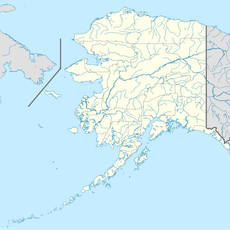
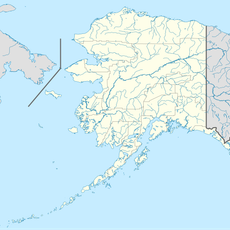
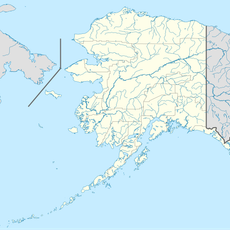
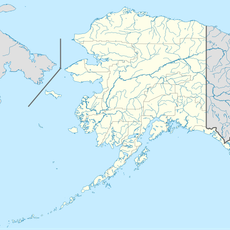
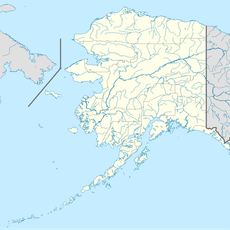
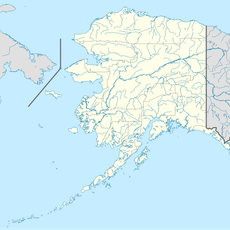
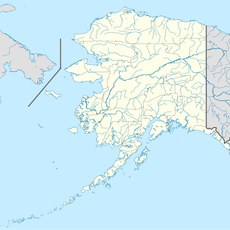
Mount Fairweather, Peak at Alaska-British Columbia border, United States and Canada
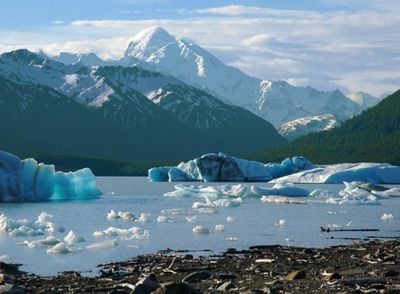
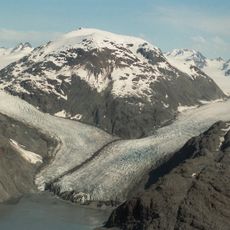
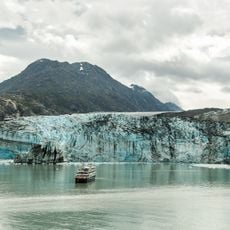
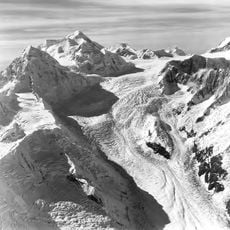
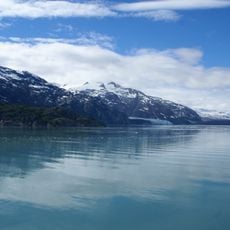
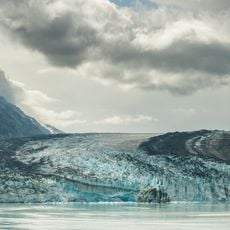
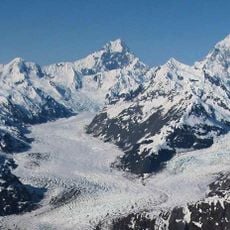
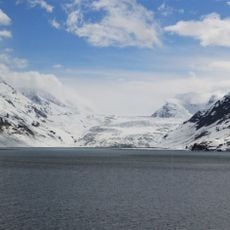
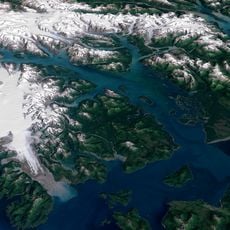
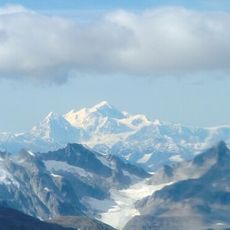
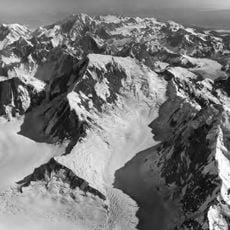
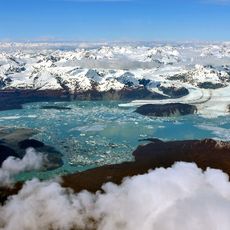
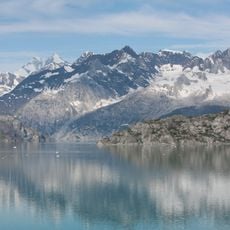
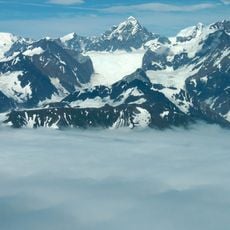
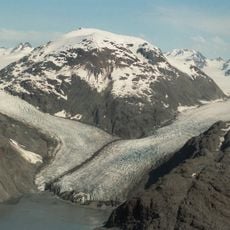
Mount Fairweather is a peak that straddles the Alaska-British Columbia border, rising 4,653 meters above sea level. Snow-covered slopes and glacier fields dominate its terrain, making it a prominent landmark within Glacier Bay National Park and Preserve.
Captain James Cook named the mountain on May 3, 1778, apparently for the unusually good weather he met at the time, not at the summit. After a failed 1926 attempt on the West Ridge, Allen Carpé and Terris Moore made the first ascent on June 8, 1931, via the Southeast Ridge.
The mountain's many names record successive visitors: La Pérouse charted it as "Mt. Beautemps" in 1786, Galiano as "Mte. Buen-tiempo" in 1802, and Russian charts of 1847 and 1852 rendered it as "Gora Khoroshy Pogody" and "Gora Fayerveder". Constantin Grewingk's 1850 "Schönwetterberg" and Justus Perthes's 1882 "Schönwetter Berg" translate the same idea: fair weather.
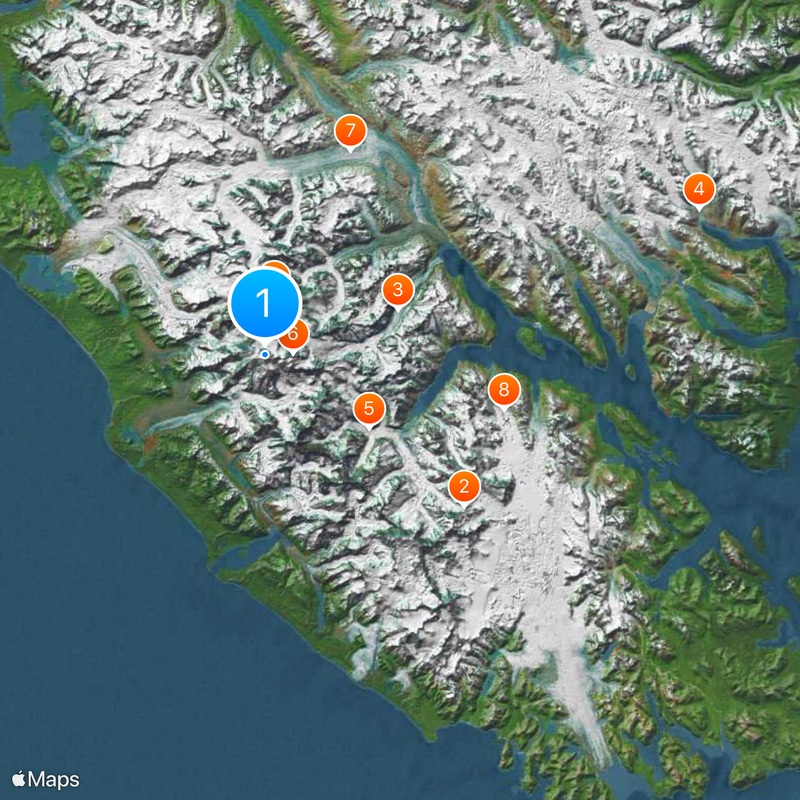
The first ascent team reached Lituya Bay by boat, then walked 21 km along the coast to the Fairweather Glacier, and Carpe and Moore made an 80 km round trip back to the bay for skis and snowshoes. The summit was gained via the Southeast Ridge on June 8, 1931, after a failed 1926 attempt on the West Ridge stopped at 2,890 m. Clouds often hide the summit, and over 250 cm of precipitation falls each year.
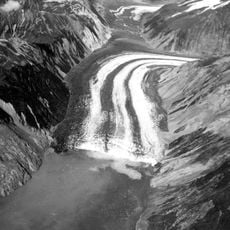
This peak receives over 2,540 millimeters of yearly precipitation, creating one of the deepest snowpacks anywhere on Earth. The extreme snow accumulation shapes the glacier landscape and makes the region stand out for its harsh weather patterns.
The community of curious travelers
AroundUs brings together thousands of curated places, local tips, and hidden gems, enriched daily by 93,803 contributors worldwide.