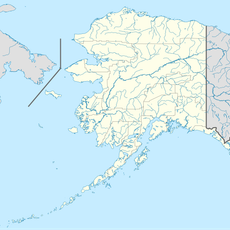
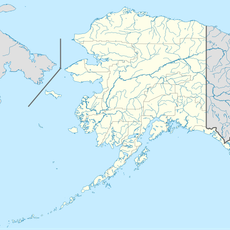
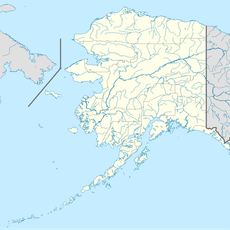
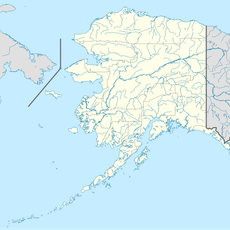
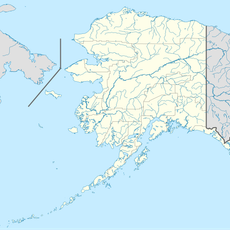
Mount Salisbury, Mountain summit in Hoonah-Angoon Census Area, Alaska.
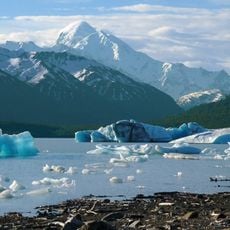
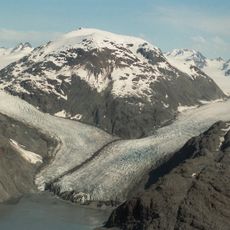
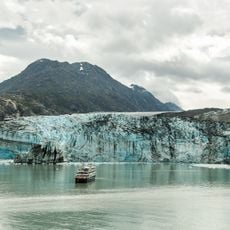
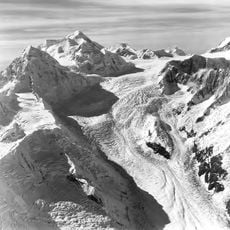
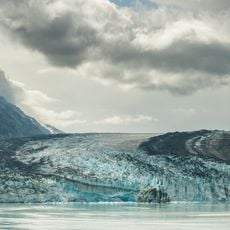
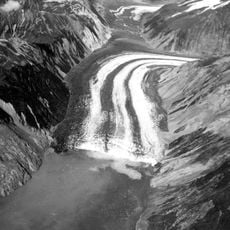
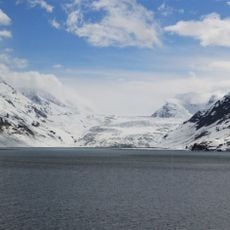
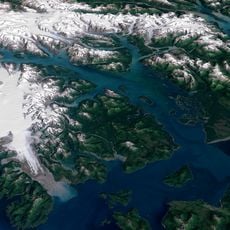
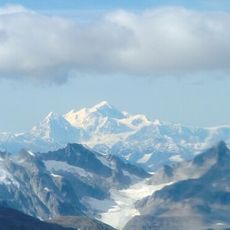
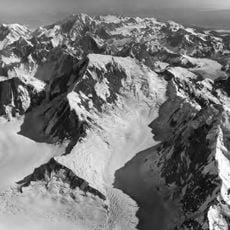
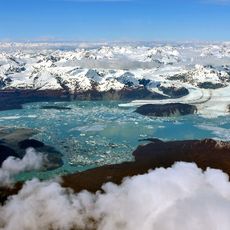
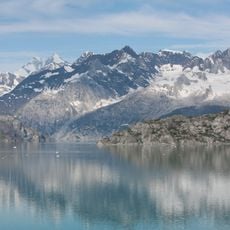
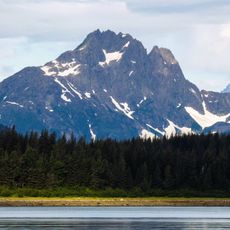
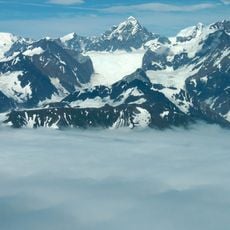
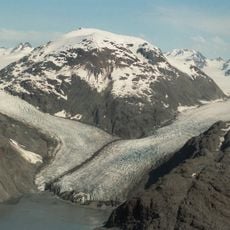
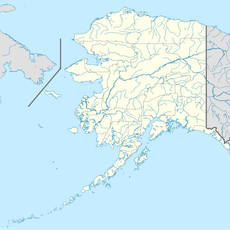
Mount Salisbury is a mountain summit in Hoonah-Angoon Census Area, Alaska, rising to approximately 3700 meters. Its steep slopes feed into the northern branches of Johns Hopkins Glacier.
Mount Salisbury was named in 1936 by W. O. Field, Jr. and William Skinner Cooper to honor Rollin D. Salisbury (1858–1922), a geologist who taught at the University of Chicago from 1892 until his death. The United States Board on Geographic Names officially adopted the toponym in 1937. The first recorded ascent was made in 1977 by a party of four: J. Nelson, S. Swenson, J. Eberharter and G. Thompson.
The name honours Rollin D. Salisbury (1858–1922), a geologist at the University of Chicago from 1892 until his death; W. O. Field, Jr. and William Skinner Cooper proposed it in 1936, and the United States Board on Geographic Names adopted it in 1937. The Japanese name ソールズベリー山 is used for this Alaskan peak.
The summit lies in a remote location with severe weather conditions and requires specialized equipment and careful planning for any visit. Visitors should prepare for harsh conditions and check local weather forecasts beforehand.
The southwest side falls over 10,000 feet (3,048 m) to the Johns Hopkins Glacier in only five miles (8 km). W. O. Field, Jr. and William Skinner Cooper named the peak in 1936 for geologist Rollin D. Salisbury, and the name was officially adopted in 1937.
The community of curious travelers
AroundUs brings together thousands of curated places, local tips, and hidden gems, enriched daily by 94,220 contributors worldwide.