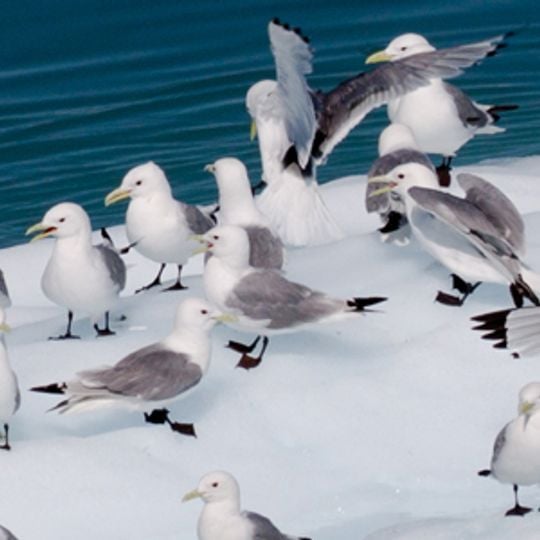
Glacier Bay National Park and Preserve, National park and biosphere reserve in Hoonah-Angoon Census Area, Alaska.
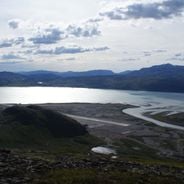
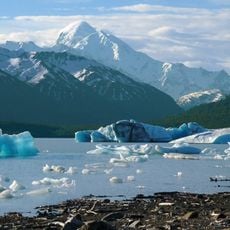
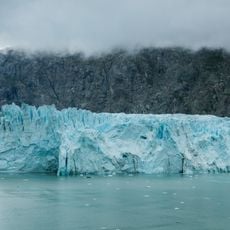
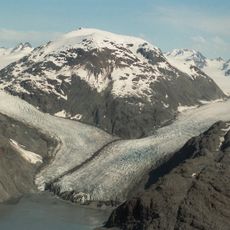
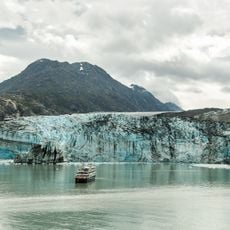
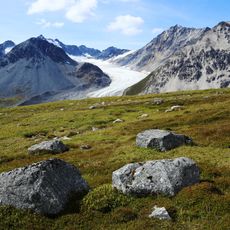
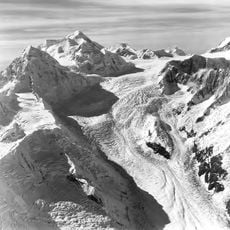
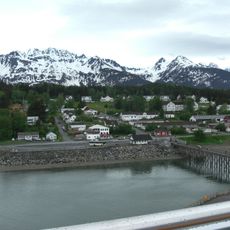
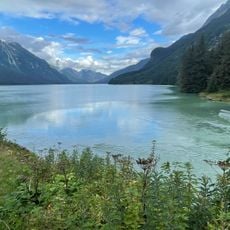
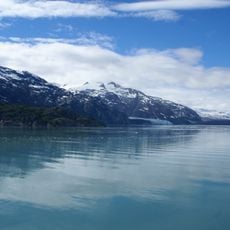
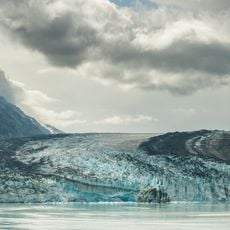
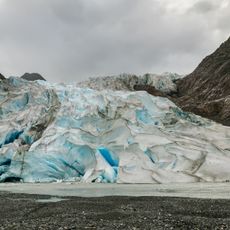
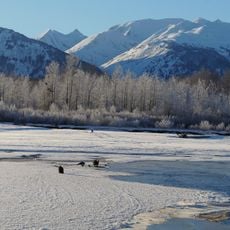
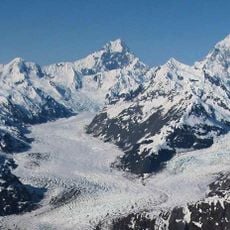
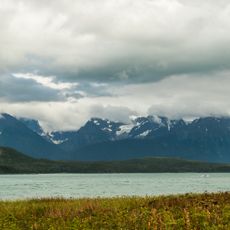
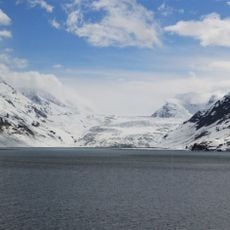
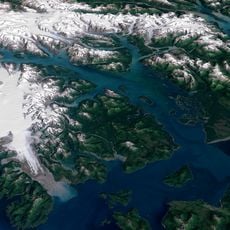
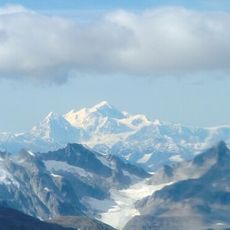
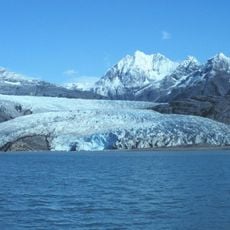
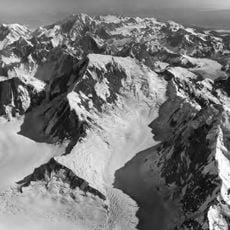
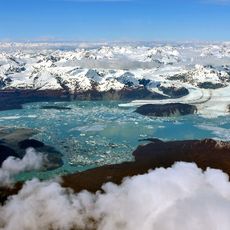
Glacier Bay National Park and Preserve is a protected landscape in Alaska featuring sixteen tidewater glaciers flowing from snow-capped mountains directly into the sea. The terrain spans vast coastal areas and showcases a distinctive blend of mountains, ice, and ocean.
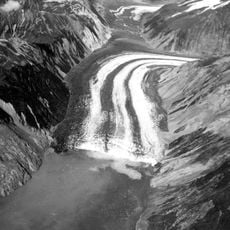
The bay was once a continuous glacier around 1750 and has since transformed to its present form, showing the most documented glacial retreat in North America. This transformation offers scientists a natural laboratory for understanding glacier behavior and climate patterns.
In 1994 the National Park Service agreed to work with the Hoonah and Yakutat Tlingit organizations in managing the protected area. The bay lies in Tlingit homeland, and the park's name comes from the ice that filled it when George Vancouver explored in 1794. Huna Tlingit today return to Glacier Bay for cultural camps.
Access is by boat or plane from Juneau, and most visitors join organized tours to explore the area. It is wise to bring weather-resistant clothing and prepare for changing conditions along the coast.
When George Vancouver explored the region in 1794, the bay was almost entirely filled by a glacier several kilometres wide and over 1,000 metres high. By 1879 John Muir found the ice had retreated 77 kilometres in 85 years. By 2008 the ice field had lost more than 1,000 metres of thickness and over 1,000 km³ of volume, breaking into more than 100 smaller glaciers.
The community of curious travelers
AroundUs brings together thousands of curated places, local tips, and hidden gems, enriched daily by 92,593 contributors worldwide.