Admiralty Island, Protected island in Southeast Alaska, United States
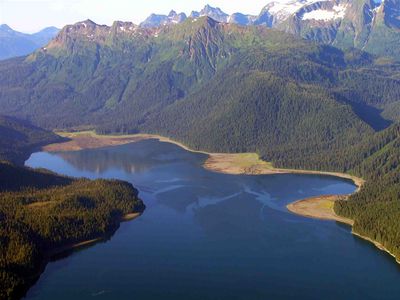
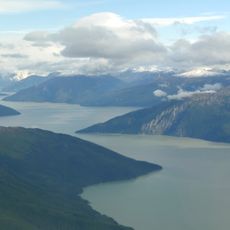
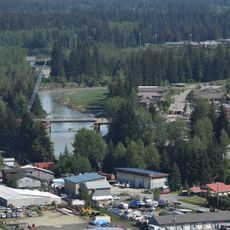
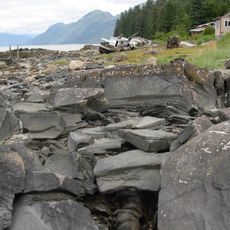
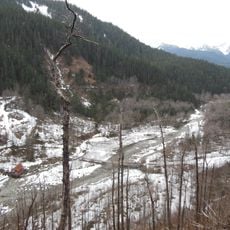
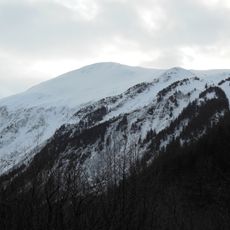
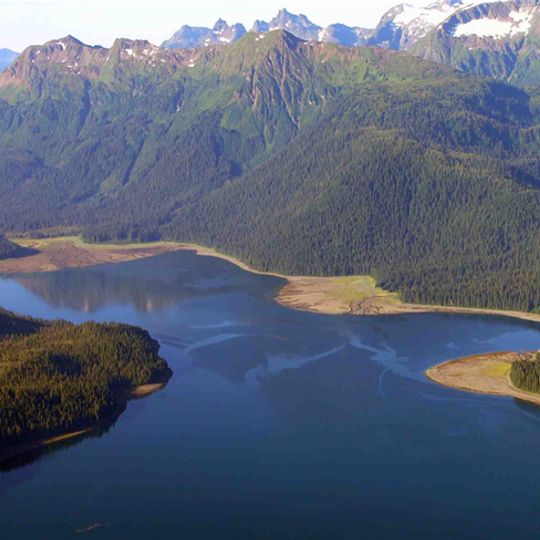
Admiralty Island is a large landmass in Southeast Alaska forming part of the Alexander Archipelago, measuring roughly 145 kilometers long and 56 kilometers wide. The terrain is dominated by dense temperate rainforests that drop sharply to rocky coastlines, with rivers flowing through mountain valleys.
The island received its name from British naval officer George Vancouver during his 1791–1795 expedition, who chose it as a tribute to the Royal Navy Admiralty. This naming reflects how external explorers mapped and claimed territory during the era of maritime exploration.
The Tlingit people call this land Xootsnoowú, a name reflecting their deep relationship with the brown bears that roam through thick forests here. This connection remains central to how local communities understand and relate to the place.
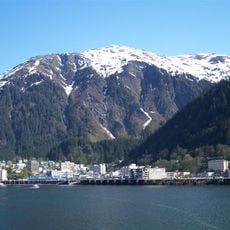
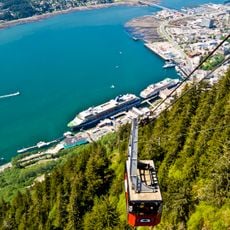
Reaching the island requires taking float planes or boats from Juneau, an undertaking that can be quite rough depending on weather. Forest Service cabins are available for overnight stays, but visitors should travel well prepared and monitor conditions carefully.
This island holds one of North America's highest concentrations of brown bears, with a population exceeding 1,600 animals. For visitors interested in wildlife, it offers one of the continent's best opportunities to encounter these creatures in their natural habitat.
The community of curious travelers
AroundUs brings together thousands of curated places, local tips, and hidden gems, enriched daily by 90,911 contributors worldwide.