Charlie Lake Cave, Archaeological cave site in Peace River Regional District, Canada
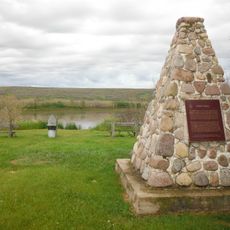
Charlie Lake Cave (Tse'K'wa) is a small single-chamber cave measuring 4.5 by 6 metres, set in a steep bank above Stoddart Creek. No artifacts were found inside; the finds come from a 12-metre waste pit between the cliff and a fallen rock block below the entrance.
The cave was explored in the 1970s by Knut Fladmark, who discovered stone tools and animal bones linked to early North American settlements. These finds rank among the oldest known settlement evidence in the region.
This place holds deep spiritual meaning for the Dane-zaa First Nations and reflects their long-standing connection to the land. The community uses it today to share their history and knowledge with younger generations.
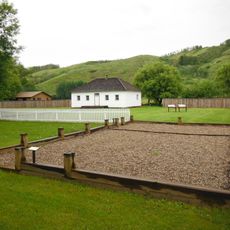
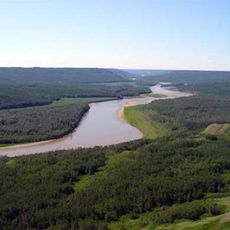
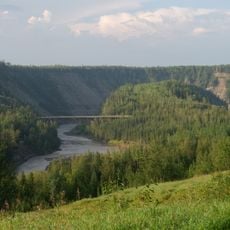
The cave sits about 100 m from a rest area, in a steep bank above Stoddart Creek, six kilometres northwest of Fort St. John off the Alaska Highway. The entrance was exposed when a boulder slipped more than three metres, and the artifact-bearing pit lies below it between the cliff and that rock. The site is protected; do not remove artifacts or disturb the ground.
The two buried ravens, about 12,000 and 11,000 years old, lay in the waste pit in front of the cave entrance, not inside the cave, which held no artifacts. They are the oldest evidence of ritual acts in Canada and relate to a bird still important to First Nations.
The community of curious travelers
AroundUs brings together thousands of curated places, local tips, and hidden gems, enriched daily by 93,519 contributors worldwide.