Larnaca Salt Lake, Ramsar wetland site near Larnaca, Cyprus
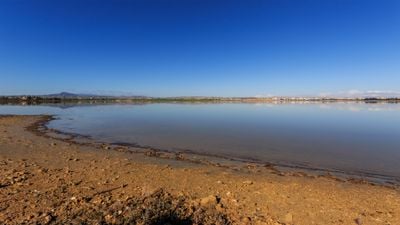
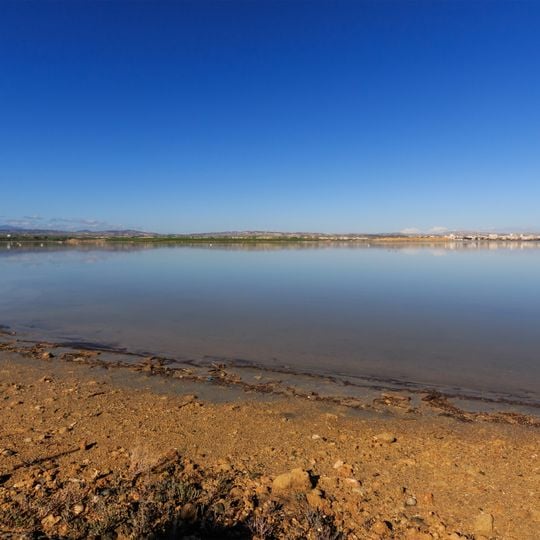
Larnaca Salt Lake is a network of four salt lakes west of Larnaca, three of them interconnected: Aliki, the largest, then Orphani, Soros and Spiro, covering 2.2 km² in all. In winter the shallow basins hold grey-brown water; in summer it evaporates to a salt crust and grey dust. The Hala Sultan Tekke stands on the bank.
Drilling and carbon-14 dating show a lagoon formed here by at least 9000 BC. In the Bronze Age the sheltered sea access allowed the harbour of Dromolaxia-Vyzakia to develop in the lake's north-west, probably linked to the open sea by two natural channels. Sediment deposits later cut the lagoon off from the sea, creating the lake; salt extraction is documented from this period and ended in 1986.
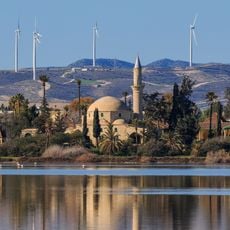
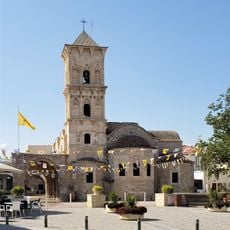
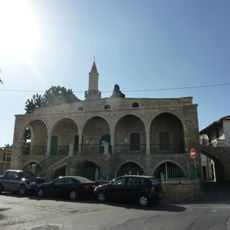
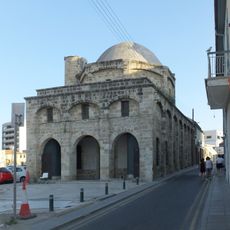
On the western bank stands Hala Sultan Tekke, a mosque and shrine of Ottoman Islam holding the tomb of Umm Haram, described in the sources as Muhammad's wet-nurse. The lake's name in Greek is Alyki Larnakas, in Turkish Larnaka Tuz Gölü. A local legend ties the water's saltiness to St Lazarus: refused food and drink by an old woman who said her vines had dried up, he replied that they should be dry and a salt lake forever more.
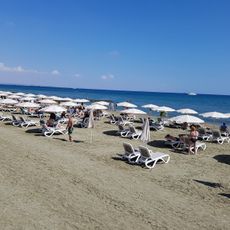
The lakes lie between Larnaca and Larnaca International Airport, with the B4 road running along the eastern side. In winter the basins hold water; in summer it evaporates, leaving a salt crust and grey dust. The shore is halophytic scrubland, so wear closed shoes and carry water.
Salt from the lake was once a major Cypriot export, collected with donkeys and piled into huge pyramidal heaps at the shore. Harvesting dwindled as labour costs rose and stopped altogether in 1986, after which the island began importing most of its salt.
The community of curious travelers
AroundUs brings together thousands of curated places, local tips, and hidden gems, enriched daily by 92,929 contributors worldwide.