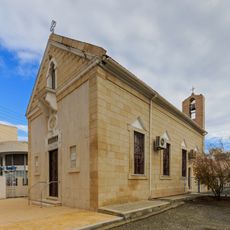
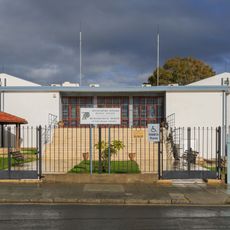
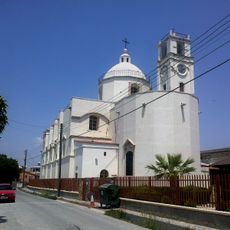
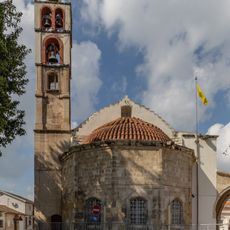
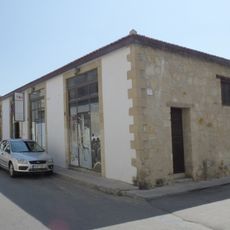
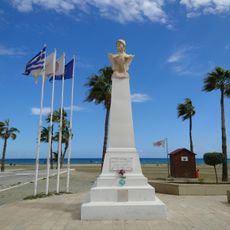
Larnaca District Archaeological Museum, Archaeological museum in Larnaca, Cyprus.
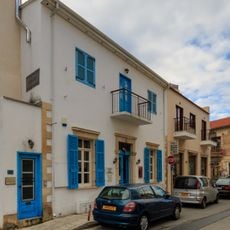
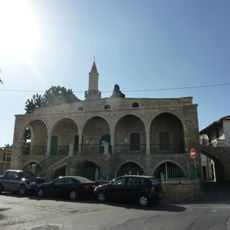
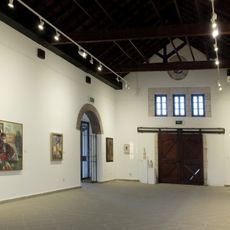
The Larnaca District Archaeological Museum occupies a building in central Larnaca, with galleries divided into two wings: one covering the Neolithic, Chalcolithic and Bronze Age, the other the Geometric to Roman periods, centred on the ancient city of Kition. The courtyard holds large statues, funerary stelae and a Roman-era olive press.
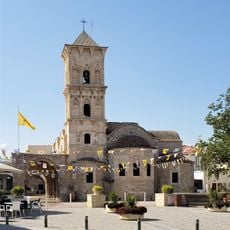
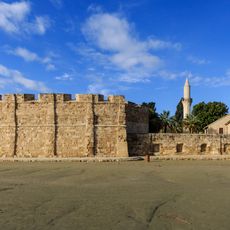
The museum was founded in 1936 and first occupied two rooms of the church of Ayios Lazaros. In 1948 it moved to an Ottoman-period castle, and in 1969 it relocated to its present building, which was enlarged and reorganised between 1987 and 1988. A renewal of the permanent exhibition was completed in 2022, adding finds from recent excavations.
The displays show how Cyprus traded with Egypt, Phoenicia and other Mediterranean cultures through pottery, ivory carvings and imported objects. These pieces reveal the island's active role in ancient commerce and cultural exchange.
The museum stands about 100 m south of the Kition-Bamboula archaeological site, whose information boards are posted on the museum grounds; Kition-Kathari lies roughly 500 m further north. One ticket covers both the museum and Bamboula, with no separate charge for the site. The galleries are arranged in numbered rooms, from the Neolithic and Chalcolithic finds of Room I to the Cypro-Geometric and Cypro-Archaic figurines of Room III.
The entrance hall holds a replica of the stele of the Assyrian king Sargon II, a nod to the wider eastern Mediterranean world in which Kition traded. The original stele was found at Kition, and the replica marks the city's links with Assyria in the 8th century BC.
The community of curious travelers
AroundUs brings together thousands of curated places, local tips, and hidden gems, enriched daily by 94,308 contributors worldwide.