La Isabela, Archaeological settlement in Luperón Puerto Plata, Dominican Republic
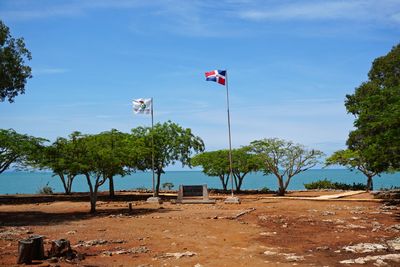
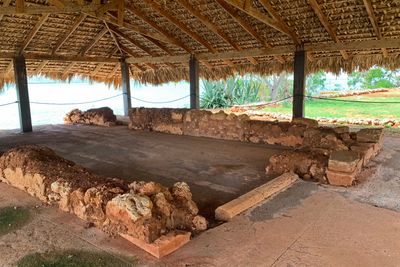
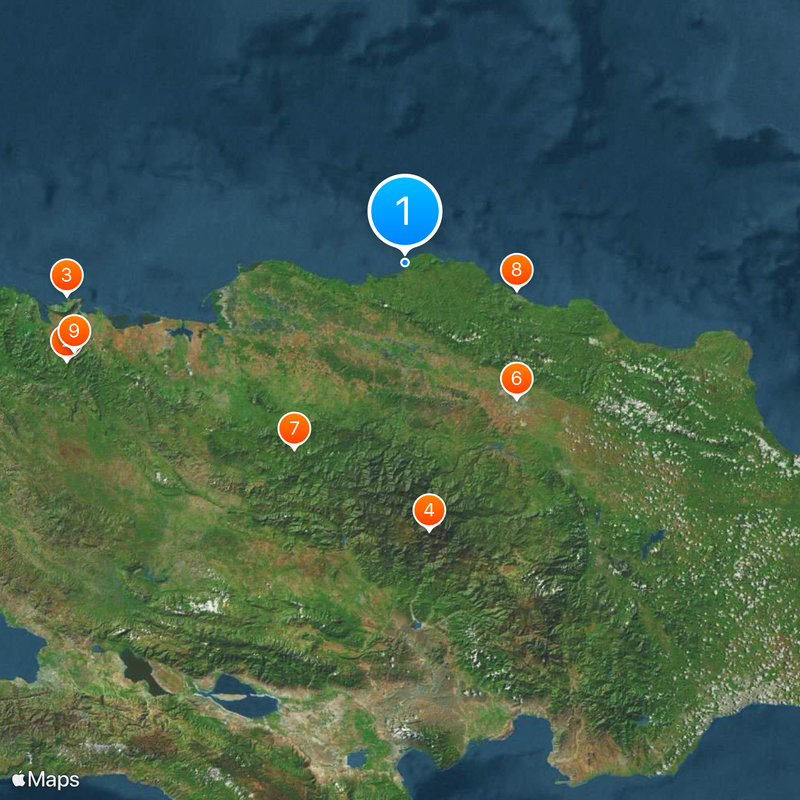
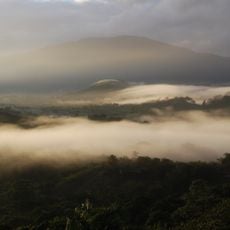
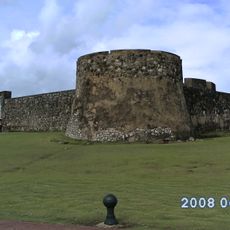
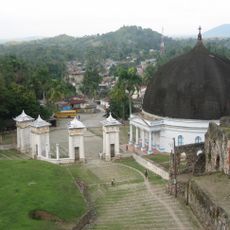
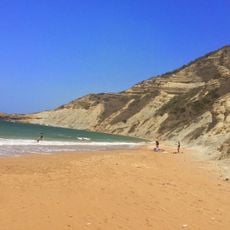
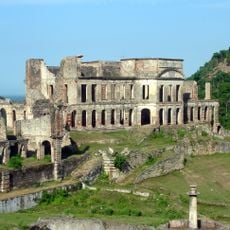
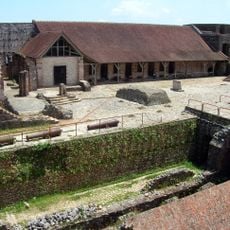
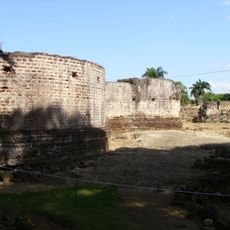
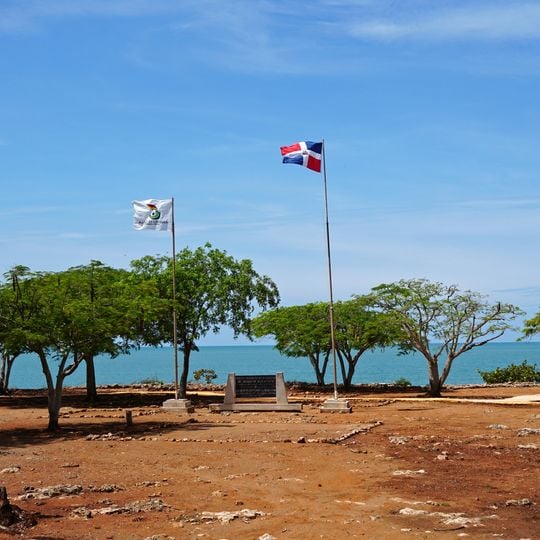
La Isabela is an archaeological site in Luperón in northern Dominican Republic showing the remains of the first permanent European settlement in the Americas. The grounds include recognizable foundations of a watchtower, church, shipyard, and the first residence of Christopher Columbus on the continent.
Founded on December 8, 1493, during the second voyage of Columbus, the site marks the beginning of permanent European presence in the Western Hemisphere. The colony was abandoned by 1498, however, after disease, famine, and two severe hurricanes weakened the community.
The settlement remains show traces of early encounters between European settlers and the Taíno communities already living here, including pottery fragments and tools from both traditions. Visitors can see through the foundations how the first colonists tried to adapt Spanish building methods to Caribbean conditions.
Admission costs 100 Dominican pesos, and the site is best explored in daylight to see the structures clearly. Local guides can be hired for an additional fee and help make sense of the scattered foundations and excavation areas.
The site witnessed the first documented epidemic of European origin in the Western Hemisphere and also experienced two of the earliest recorded Atlantic storms in 1494 and 1495. These natural disasters contributed significantly to the failure of the colony after just a few years.
The community of curious travelers
AroundUs brings together thousands of curated places, local tips, and hidden gems, enriched daily by 90,742 contributors worldwide.