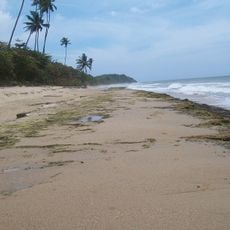
Parque Nacional Del Este, National park in southeastern Dominican Republic
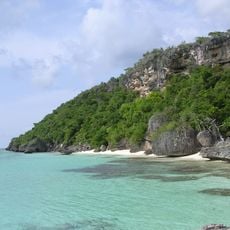
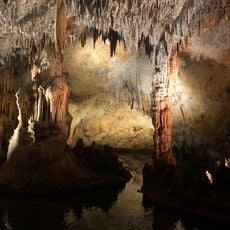
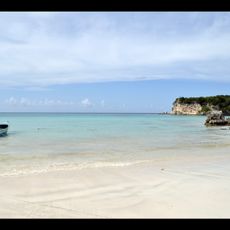
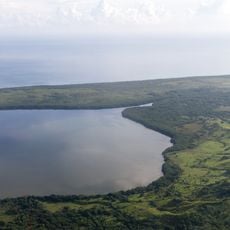
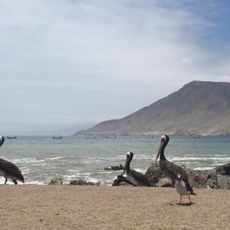
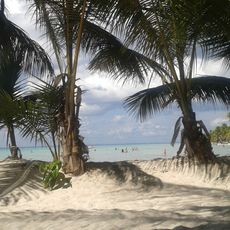
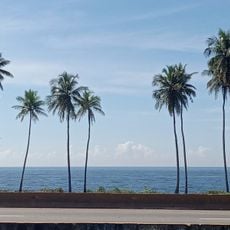
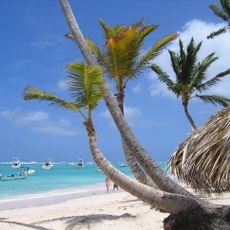
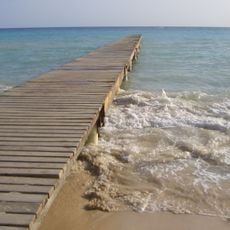
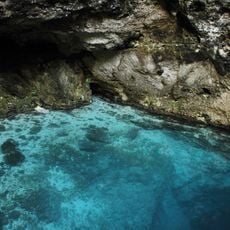
The national park combines tropical rainforests, drier forest zones, and coastal areas with coral reefs across its territory. The landscape includes numerous caves, sandy beaches, and small islands that together create a varied natural environment.
The protected area was established in 1975 as one of the Dominican Republic's early conservation efforts. Archaeological remains scattered throughout the park show how indigenous people inhabited and used these lands long before modern times.
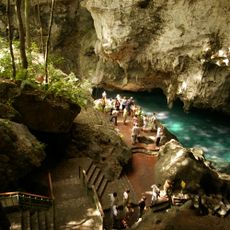
The Padre Nuestro Ecological Trail passes through caves decorated with rock art created by the Taíno people who once lived in this region. Walking through these spaces, visitors can sense the connection between the indigenous community and the natural landscape they inhabited.
Entry points are available at Bayahibe and Boca de Yuma, and a local guide is needed for exploring specific trails and cave systems. Bring sturdy shoes and water, as the terrain can be rough and caves require careful movement.
The park serves as a crucial nesting ground where three sea turtle species come ashore to lay their eggs each year. This breeding cycle makes it an important stop on the migration routes of these marine animals.
The community of curious travelers
AroundUs brings together thousands of curated places, local tips, and hidden gems, enriched daily by 60,000 contributors worldwide.