Cotubanamá National Park, national park in the Dominican Republic
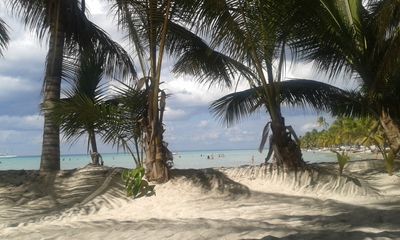
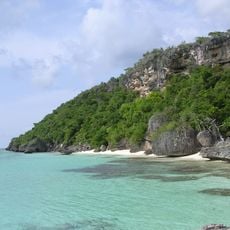
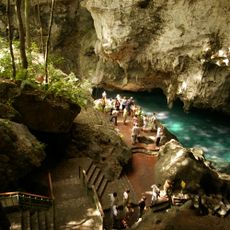
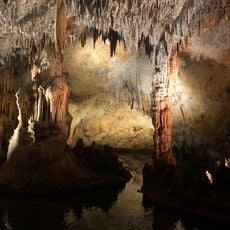
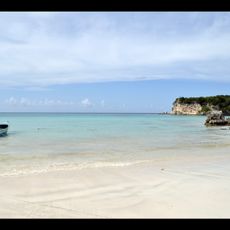
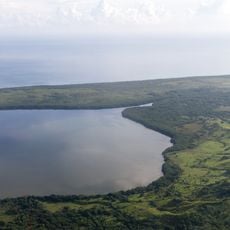
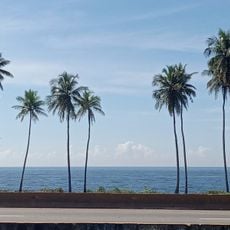
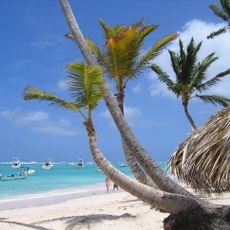
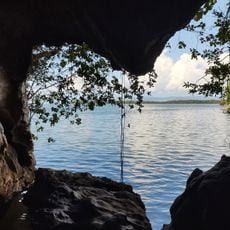
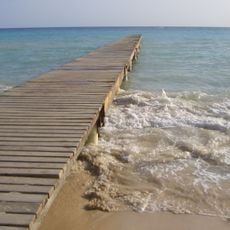
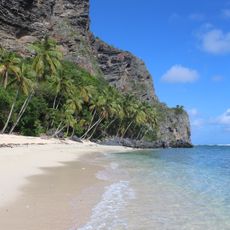
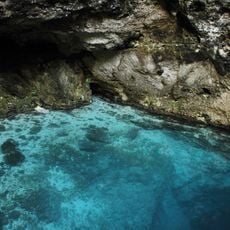
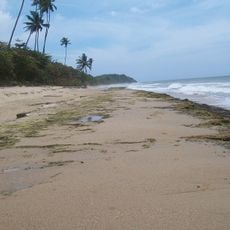
Cotubanamá National Park is a protected area in La Altagracia Province featuring subtropical forests, mangrove wetlands, sandy coastlines, and numerous caves. The park encompasses Saona Island, which holds coral reef systems, along with underground springs that feed the caves throughout the region.
The park received its current name in 2014 to honor Chief Cotubanamá, who resisted Spanish colonizers in the early 1500s. The naming acknowledges the region's long indigenous settlement and the struggle against external conquest.
The park holds ceremonial sites and caves with petroglyphs left by the Taíno people who inhabited this land long ago. These places remain meaningful to local communities today, shaping how the land is visited and cared for.
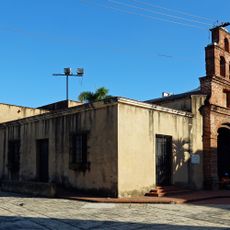
The park is accessed through two main gates in Bayahibe, where visitors receive wristbands and can arrange boat excursions to Saona Island or guided cave tours. Wear sturdy footwear and bring plenty of water, since trails pass through wet terrain and rocky ground.
The Sendero Padre Nuestro trail network connects multiple caves holding ancient pictographs with pure underground water sources that remain valuable to nearby communities. This system shows how natural springs and pre-colonial art sites are found together in one linked network of paths.
The community of curious travelers
AroundUs brings together thousands of curated places, local tips, and hidden gems, enriched daily by 60,000 contributors worldwide.