Via Alpina, Network of alpine hiking trails
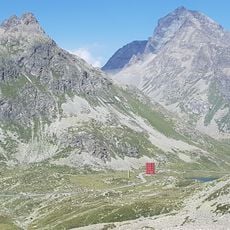
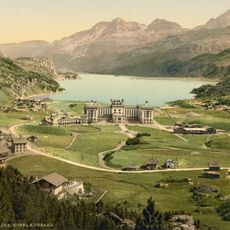
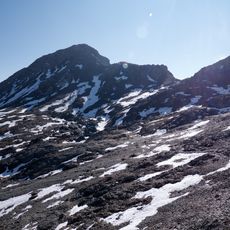
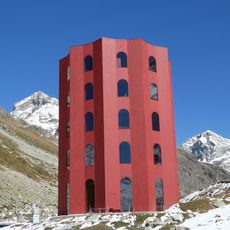
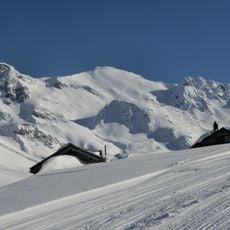
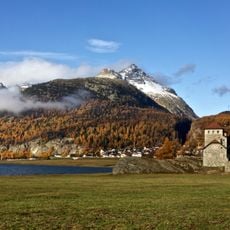
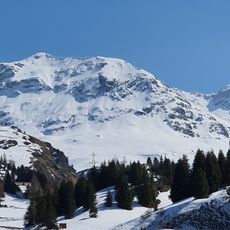
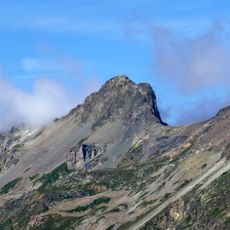
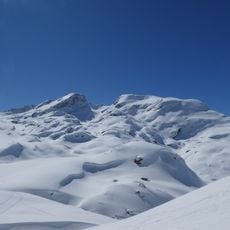
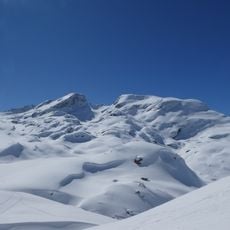
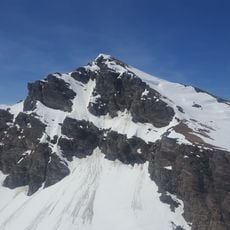
Via Alpina is a long-distance trail crossing Austria, Switzerland, and Italy from east to west through the Alps. It connects five distinct routes into one linked network, passing over mountain passes, through forests, and along lakes and alpine plateaus.
The Via Alpina was initiated in 1999 in Grenoble by the Association Grande Traversée des Alpes and launched in 2000 with public and private organisations from all eight Alpine states. Between 2001 and 2008 two INTERREG IIIB Alpine Space projects funded its development. Since 2002 it has been an official implementation project of the Alpine Convention. The international secretariat passed from the GTA to CIPRA in January 2014.
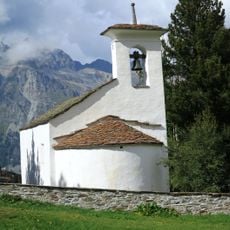
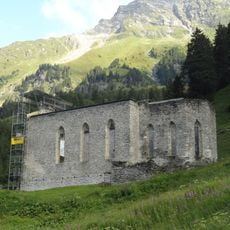
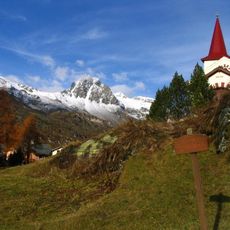
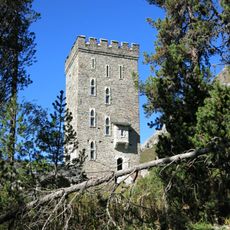
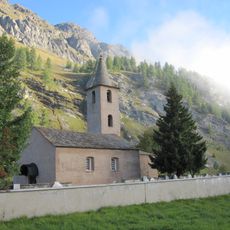
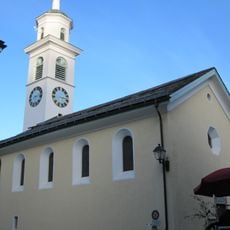
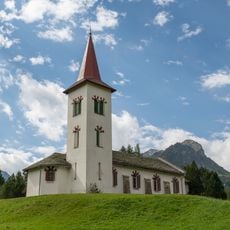
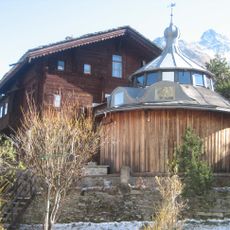
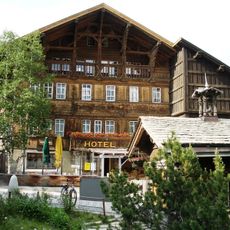
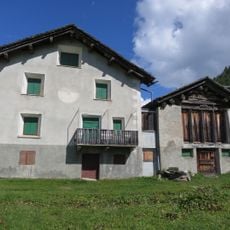
The trail passes through villages where mountain farming and alpine pasture life are still active today. Walkers can see working farms, small chapels, and local crafts that have shaped life in these valleys for generations.
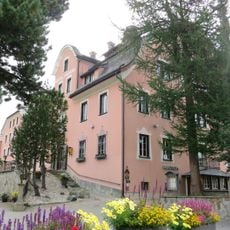
The trail is divided into stages, each designed for one to two days of walking, making it easy to adapt the pace to your own fitness. Villages along the way offer places to sleep and restock supplies, so it is worth planning stops in advance especially in summer.
The Via Alpina reuses existing trails and huts rather than building new infrastructure; only the Via Alpina logo is added to the existing signage. Its 342 stage points carry multilingual information panels. In summer 2025, ultrarunners Magdalena Kalus and Susann Lehmann covered the 1,975 kilometres and 116,431 metres of ascent from Trieste to Monaco in 50 days.
The community of curious travelers
AroundUs brings together thousands of curated places, local tips, and hidden gems, enriched daily by 93,647 contributors worldwide.