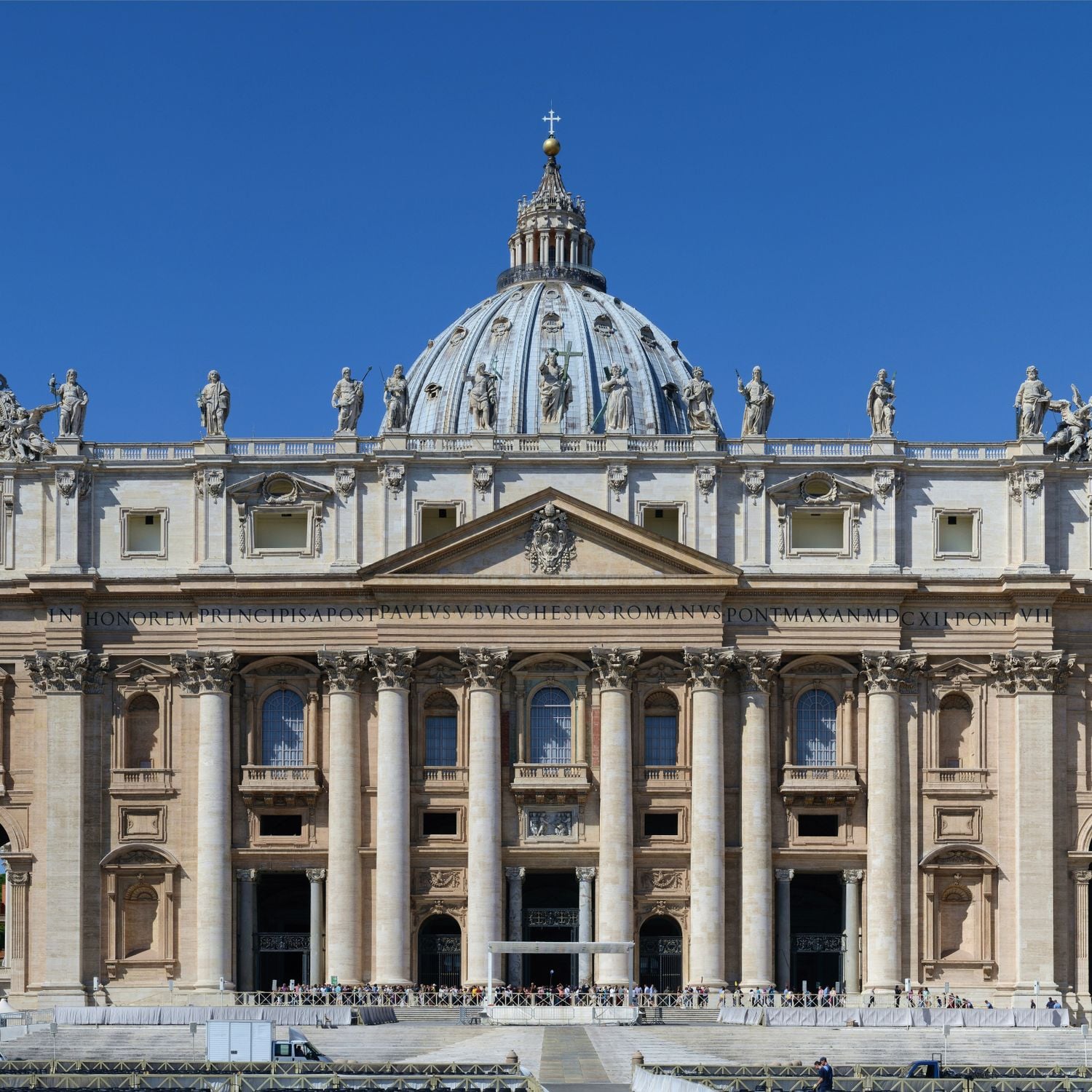
Saint Peter's Basilica, Major basilica in Vatican City
Saint Peter's Basilica is a papal basilica and parish church in Vatican City, standing as one of the largest Christian churches in the world. The building covers a floor area wider than a football field, and the dome rises above the central crossing with a diameter of 42 meters (138 feet). Rows of columns frame the nave and side chapels, while marble flooring in geometric patterns stretches beneath the vaulted ceiling.
Construction began under Pope Julius II in 1506 to replace a fourth-century church that had stood on the site since Constantine's time. Michelangelo took over the project in his seventies and designed the dome, though he did not live to see its completion. The building was finished in the early 1600s, and the colonnades framing the square were added later by Bernini.
Pilgrims from every part of the world gather here for mass, prayer, and moments of reflection before the tomb of Peter. Visitors kneel in silence, light candles, or join in the singing during services that take place throughout the day. On Wednesdays, crowds fill the square outside for papal audiences, while major feast days bring processions and ceremonies that spill out across the colonnades.
Dress modestly by covering shoulders and knees, as guards turn away visitors who do not follow these rules even if they have waited in line. Arrive early in the morning to avoid the longest waits at security, especially on Wednesdays when papal audiences draw extra crowds. Climbing the dome requires a separate ticket and involves narrow stairs, so be ready for a workout if you choose the walk instead of the elevator partway up.
A bronze statue of Saint Peter near the main altar has a worn right foot because visitors have touched and kissed it for centuries, believing the gesture brings blessings. Underground tours lead to the necropolis beneath the floor, where excavations uncovered ancient Roman tombs and what many consider the resting place of Peter himself. The enormous dome offers a view from the lantern at the top, but reaching it means squeezing through passages so narrow that only one person can pass at a time.
Location: Vatican City
Inception: April 18, 1506
Founders: Julius II
Architects: Michelangelo, Giuliano da Sangallo, Donato Bramante, Raphael, Giovanni Giocondo, Antonio da Sangallo the Younger, Baldassare Peruzzi, Bernardo Rossellino, Giacomo della Porta, Giacomo Barozzi da Vignola, Pirro Ligorio, Carlo Maderno, Gian Lorenzo Bernini
Architectural style: Renaissance architecture, baroque architecture
Height: 136.6 m
Length: 220 m
Width: 150 m
Made from material: cement, marble
Part of: Seven Pilgrim Churches of Rome
Website: https://vatican.va/various/basiliche/san_pietro/index_it.htm
GPS coordinates: 41.90222,12.45342
Latest update: December 14, 2025 17:44
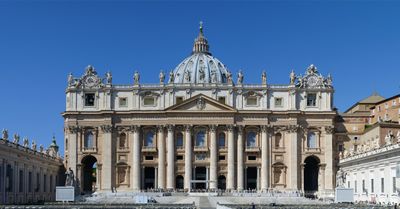
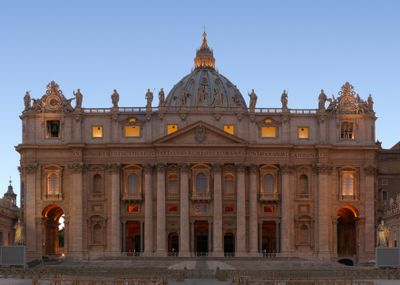
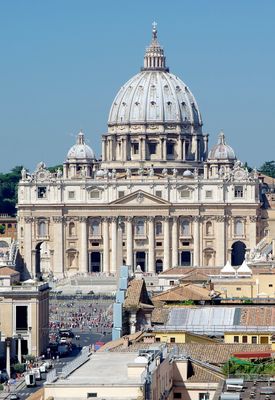
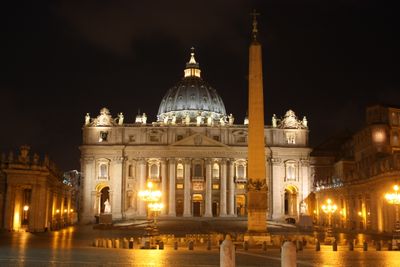
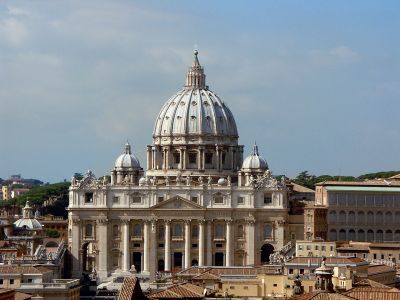
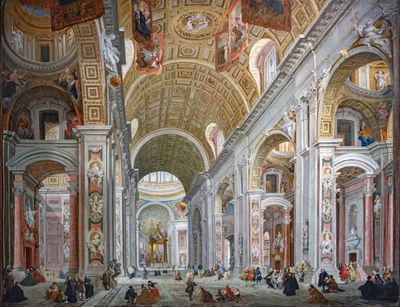
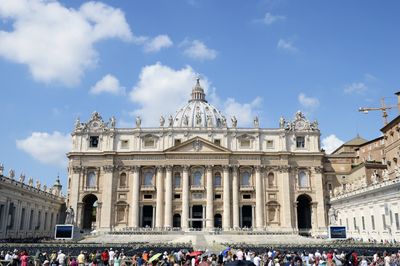
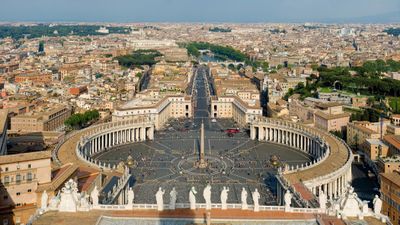
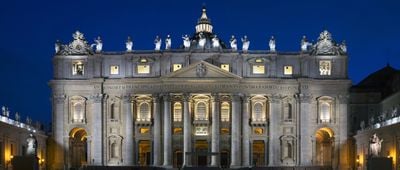
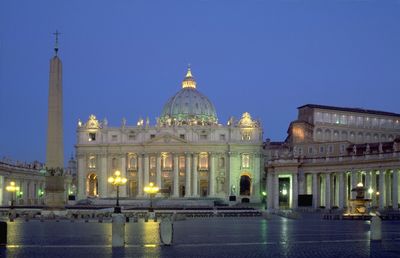
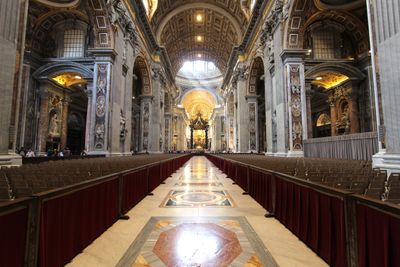
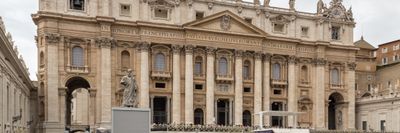
Photo license: CC BY-SA 4.0
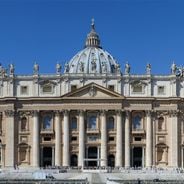
This collection brings together notable domes and cupolas from all continents, signs of diverse architectural traditions extending from the Vatican to Australia, Russia to the United Arab Emirates. From the famous dome of St. Peter's Basilica in Rome to the colorful domes of the Church of the Savior...
Circular architecture has fascinated builders since ancient times. This collection brings together Roman amphitheatres like the Colosseum, medieval towers such as the Round Tower in Copenhagen, baroque domed structures and modern constructions. The circular form offers practical advantages for...
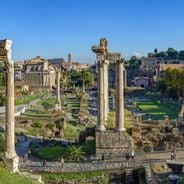
Rome preserves more than 2,000 years of architectural history within its city limits, maintaining ancient temples and amphitheaters beside Renaissance churches and Baroque piazzas. The Roman Forum displays ruins from the first century BC through the fourth century AD, including government buildings...
Rome contains over 900 churches that demonstrate two thousand years of sacred architecture, from Roman antiquity to the Baroque period. These buildings reveal the evolution of construction techniques and artistic expressions over the centuries. St. Peter's Basilica covers 20,000 square meters and...
Rome joins history with modern photography. The city spreads across several hills and holds buildings from different centuries, from ancient ruins to baroque churches and fountains. Photographers find subjects on every street corner, from large public squares to narrow alleys in old neighborhoods....
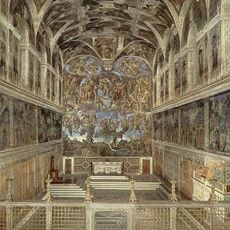
Sistine Chapel
117 m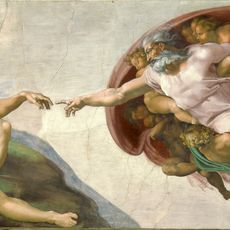
The Creation of Adam
88 m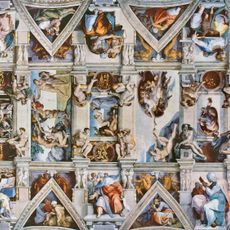
Sistine Chapel ceiling
88 m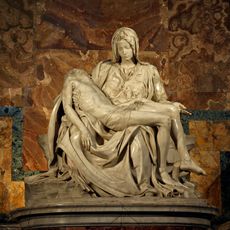
Pietà
97 m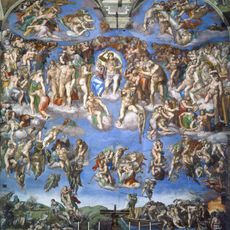
The Last Judgment
91 m
Saint Peter's tomb
10 m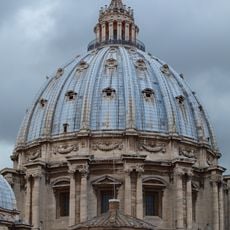
St. Peter's Dome
26 m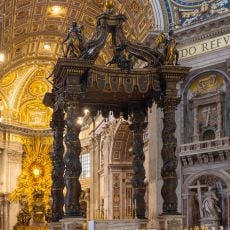
St. Peter's Baldachin
10 m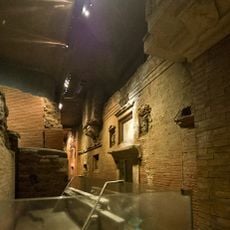
Vatican Necropolis
14 m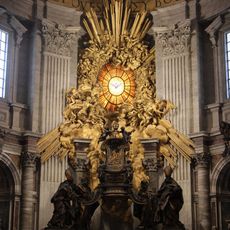
Chair of Saint Peter
10 m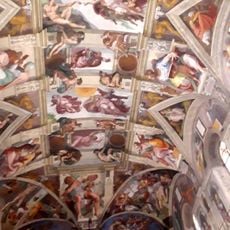
Restoration of the Sistine Chapel frescoes
126 m
Vatican Grotto
7 m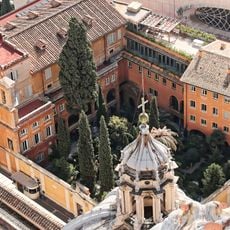
Campo Santo Teutonico
126 m
Cappella Paolina
117 m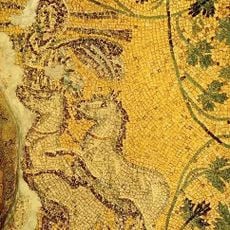
Tomb of the Julii
7 m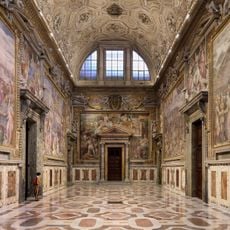
Sala Regia
125 m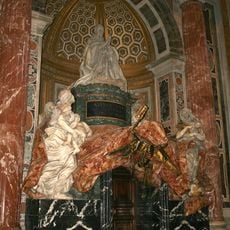
Tomb of Pope Alexander VII
10 m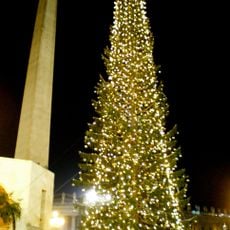
Vatican Christmas Tree
133 m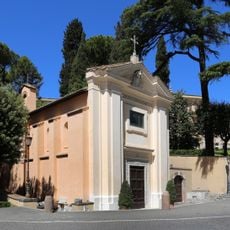
St Stephen of the Abyssinians
111 m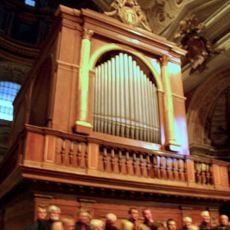
Organo della basilica di San Pietro in Vaticano
10 m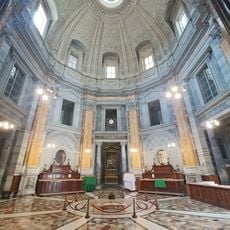
Sacristy of Saint Peter's Basilica
105 m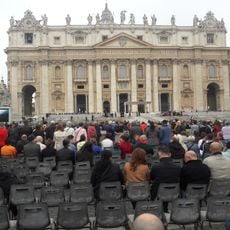
Vatican Necropolis
76 m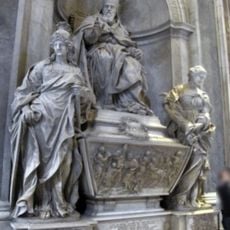
Tomb of Leo XI
7 m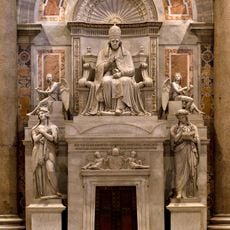
Tomb of Pius VII
57 m
Fountain
93 m
Fountain
104 m
Fountain
47 m
Scala Regia
112 mReal people, real opinions — but not verified.
Visited this place? Tap the stars to rate it and share your experience / photos with the community! Try now! You can cancel it anytime.

Incredibly beautiful! Free entry, but you need to be early if you don't want to be in line...

Beautiful building. Very busy at this location.

Discover hidden gems everywhere you go!
From secret cafés to breathtaking viewpoints, skip the crowded tourist spots and find places that match your style. Our app makes it easy with voice search, smart filtering, route optimization, and insider tips from travelers worldwide. Download now for the complete mobile experience.

A unique approach to discovering new places❞
— Le Figaro
All the places worth exploring❞
— France Info
A tailor-made excursion in just a few clicks❞
— 20 Minutes