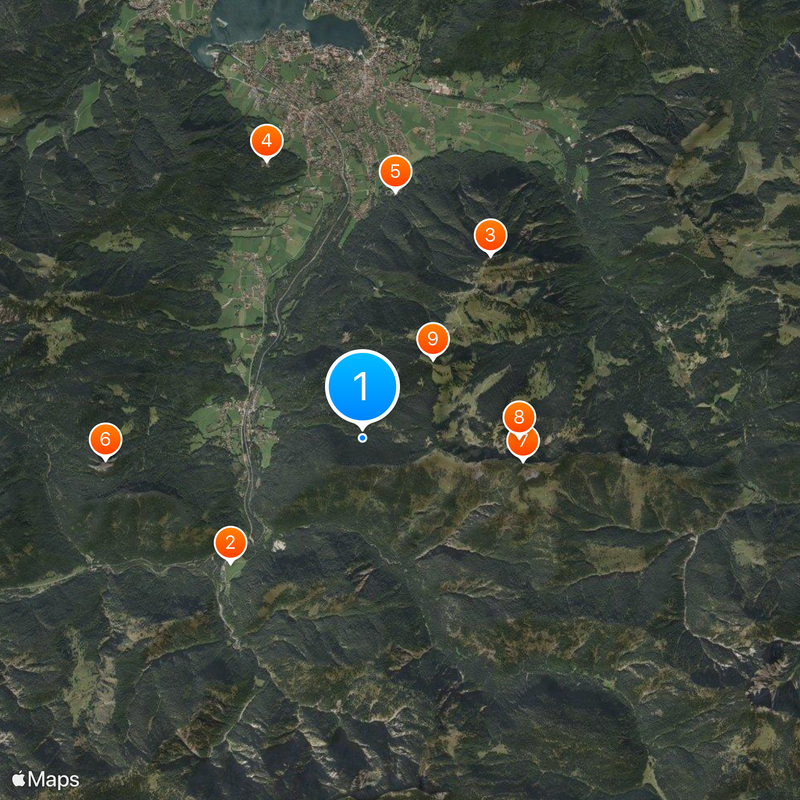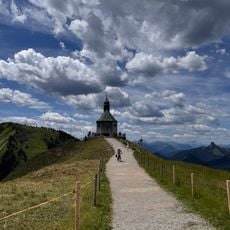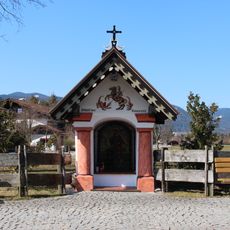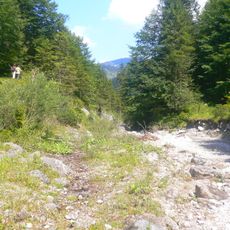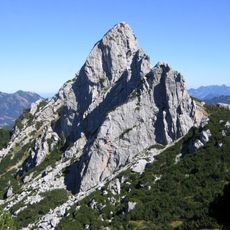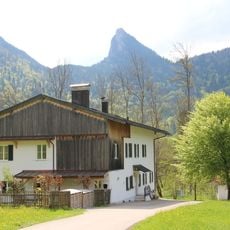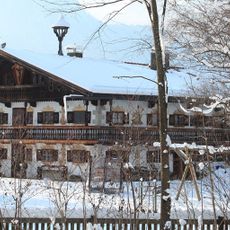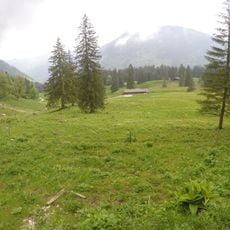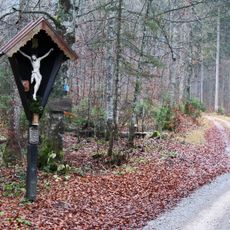
Bavarian Alps, Alpine section in Bavaria and Tyrol, Germany and Austria.
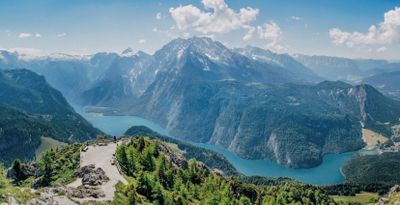
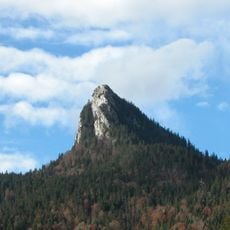
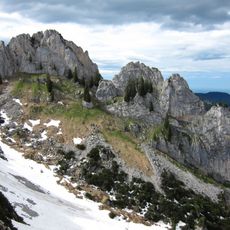
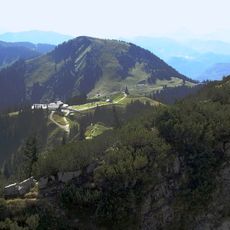
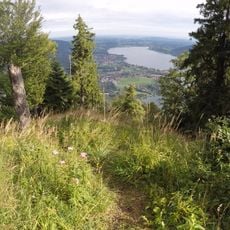
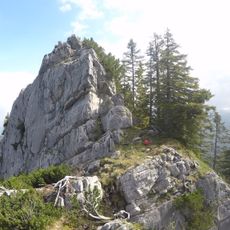
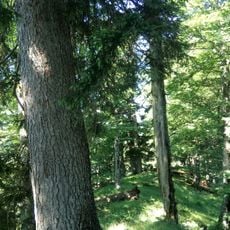
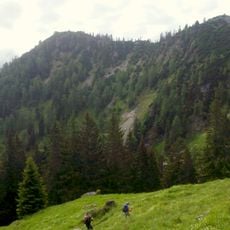
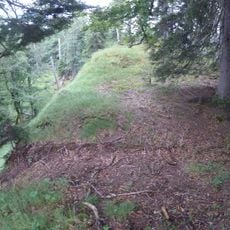
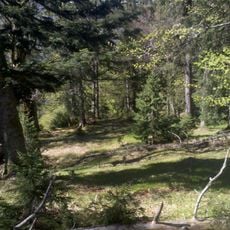
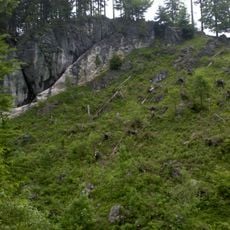
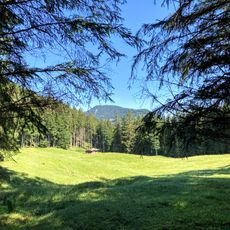
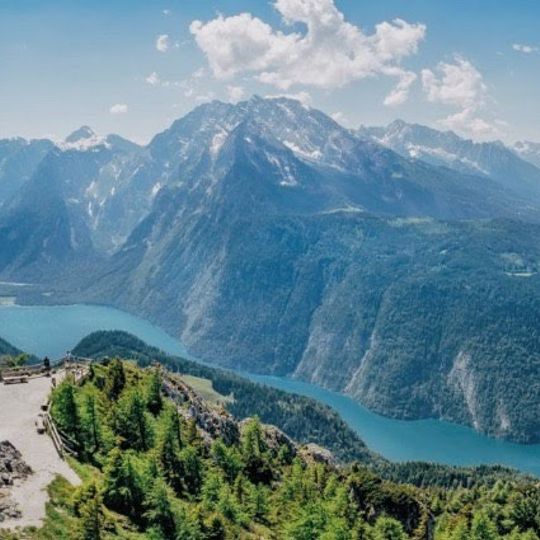
The Bavarian Alps form a mountain range stretching between the Loisach and Inn rivers, crossing Bavaria and Tyrol with limestone formations and dense forests along its slopes. The terrain features numerous peaks, valleys, and passes that create varied elevation levels throughout the region.
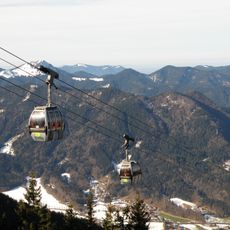
These mountains formed millions of years ago through geological processes that shaped the Alps and influenced the borders of modern Austria and Germany. Over time, valleys became populated and the mountain region served as a route for trade and later developed as a tourist destination.
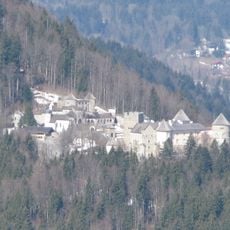
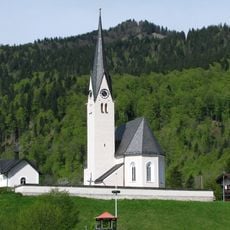
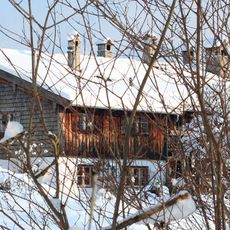
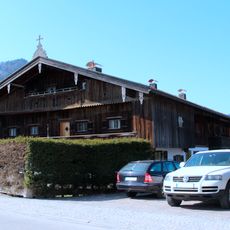
Mountain life shapes daily routines in surrounding valleys, where communities have long practiced Alpine farming and traditional crafts passed down through generations. This heritage shows in village architecture, local celebrations, and how people work with the landscape rather than against it.
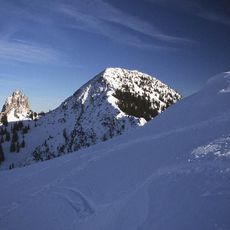
The area is accessible year-round through marked trails connecting mountain huts that offer shelter for hikers and climbers. Conditions vary by season, so proper planning and suitable gear are essential for any visit.
The highest peak reaches about 2,962 meters and from this summit visitors can see across multiple countries on clear days. The panoramic views reveal how mountain ranges continue outward in all directions from this vantage point.
The community of curious travelers
AroundUs brings together thousands of curated places, local tips, and hidden gems, enriched daily by 60,000 contributors worldwide.