Kolowratshöhle, Natural cave system in Salzburg, Austria
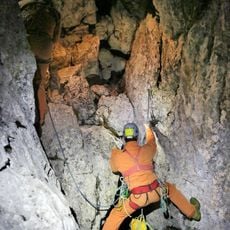
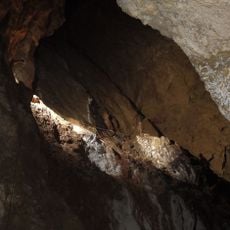
The Kolowratshöhle is an extensive cave system within the Untersberg massif, extending through multiple kilometers of underground passages. The network of natural corridors and chambers was carved by geological processes over millions of years.
A dairyman from the nearby Obere Rosittenalm or Meisterbaueralm discovered and explored this ice cave in 1842. Count Franz Anton von Kolowrat-Liebsteinsky then granted a generous subsidy that funded the construction of the path from Glanegg to the cave. A first major excursion to the cave took place on 5 October 1845, reported in the Salzburger Zeitung of the same day.
The cave is named after Count Franz Anton von Kolowrat-Liebsteinsky, who granted a generous subsidy after its 1842 discovery by a herdsman of the nearby Rosittenalm or Meisterbaueralm; the money paid for the path from Glanegg up to the cave. The first large excursion to it took place on 5 October 1845, reported in the Salzburger Zeitung of that same day.
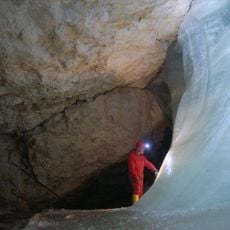
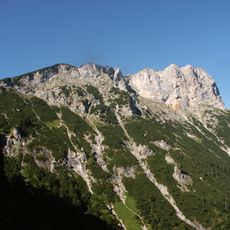
The cave lies on the north side of the Untersberg massif in the municipality of Grödig, and the historic approach runs from Glanegg, where Count Kolowrat-Liebsteinsky funded the path in the 1840s. The entrance hall holds ice, so the ground is slippery and cold even in summer; sturdy footwear and warm, weatherproof clothing are needed. The cave is a research site, not a show cave, so entry is not open to casual visitors.
The ice sheet in the entrance hall on the north side of the Untersberg was once used for ice skating. It shrank steadily after the cave entrance was enlarged without understanding of the consequences. In 1876 Eberhard Fugger observed ice stalactites melting there during summer.
The community of curious travelers
AroundUs brings together thousands of curated places, local tips, and hidden gems, enriched daily by 93,816 contributors worldwide.