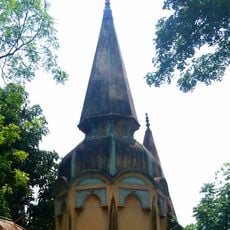
Bangabhaban, Presidential palace in Dhaka, Bangladesh.
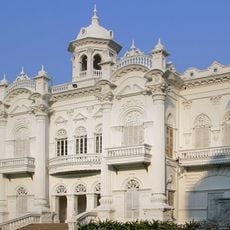
The Bangabhaban is a presidential palace in Dhaka featuring a three-story complex surrounded by gardens on a large compound enclosed by high walls. The building houses multiple rooms including a cabinet room, banquet hall, state dining area, and guest suites for foreign dignitaries.
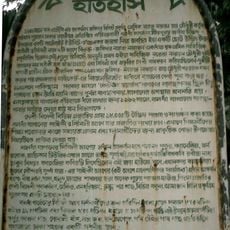
A Sufi saint, Shahjalal Dakhini, and his followers were buried here under the Bengal Sultanate, and the site became a mazhar. Nawab Khwaja Abdul Ghani later bought it and built a bungalow called Dilkusha. After the 1905 partition of Bengal the government erected a house for the lieutenant-governor, where Sir Joseph Bamfylde Fuller began work on 14 February 1906. Renamed Bangabhaban on 23 December 1971, it became the president's residence in 1972.
The building displays a blend of Mughal and British colonial architectural styles visible in its facade details and interior layout. These design influences reflect the different periods that shaped Bangladesh's government structures.
The palace is located in a calm area of Dhaka with easy access from the main roads. Visitors should know that only certain areas are open to the public and formal dress may be required for entry.
The palace stands on ground that was a Sufi mausoleum: Shahjalal Dakhini of Dhaka and his followers, killed by the sultan's agents during the Bengal Sultanate, were buried here, and the site became a Mazhar for devotees. A later Armenian zamindar named Manuk is remembered in the name of Manuk House, which stood on the land before Nawab Khwaja Abdul Ghani bought it and built his Dilkusha bungalow.
The community of curious travelers
AroundUs brings together thousands of curated places, local tips, and hidden gems, enriched daily by 93,376 contributors worldwide.