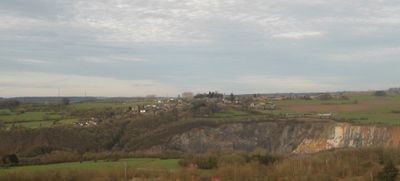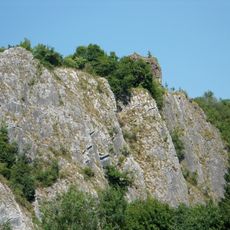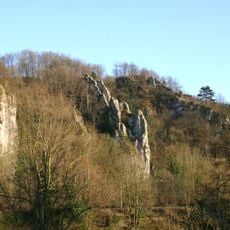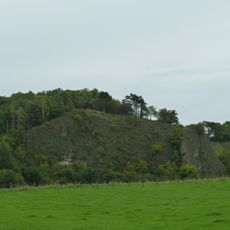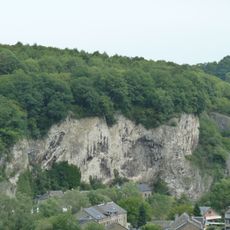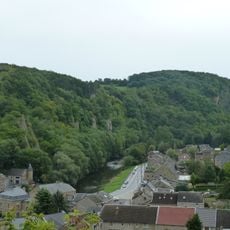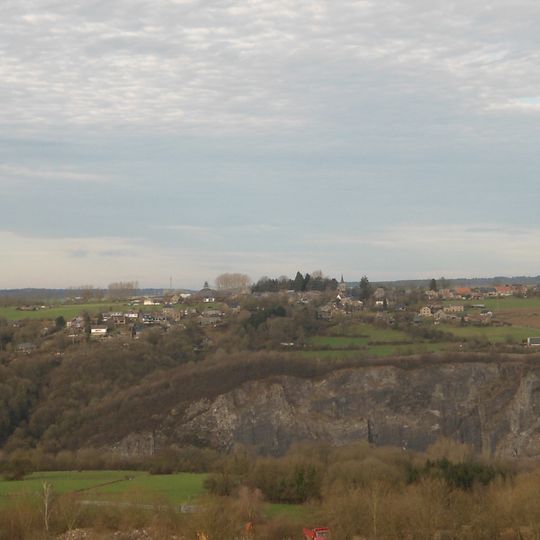
Belle-Roche cave, Prehistoric cave and archaeological site in Sprimont, Belgium
Belle-Roche cave is a prehistoric cave system with four main galleries that extends along considerable length and sits high above the Amblève river. The structure displays different layers containing both empty deposits and areas rich with archaeological finds.
The cave was discovered in 1980 and contains traces of human settlement from around half a million years ago. These findings make it the oldest documented human settlement in the Benelux region.
The site's name comes from the local landscape and is recognized today as a symbol of early human presence in the region. Walking through the galleries gives visitors a sense of how people once sought shelter in these spaces and adapted to their surroundings.
The site is today officially recognized as an excavation reserve with limited public access due to ongoing scientific work. Visitors are advised to visit the Stone Interpretation Center in Sprimont to learn more about the artifacts found and the significance of this location.
Inside the cave there are five different layers that show how the ground changed over thousands of years and what different conditions existed. These layers tell the story of when people lived here and how the surroundings around them shifted.
The community of curious travelers
AroundUs brings together thousands of curated places, local tips, and hidden gems, enriched daily by 90,839 contributors worldwide.