Musée d'Histoire naturelle et Vivarium, Tournai, Natural history museum in Tournai, Belgium.
The Musée d'Histoire naturelle et Vivarium is a natural history museum in Tournai with exhibition halls displaying preserved animals and collections. The building also features a scientific garden with outdoor enclosures and a greenhouse dedicated to exotic butterflies.
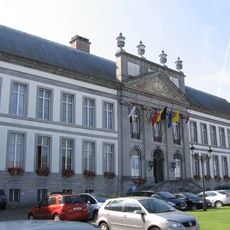
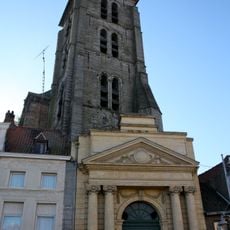
The museum was created in 1828 by Tournai's Regency Council on the site of the former Saint-Martin brewery, making it Belgium's first museum open to the public. In its first decade about 130 donors, including Leopold I and Barthélemy Dumortier, supported its growth. On 15 September 1839 it moved into a new building—a gallery and square hall designed by Tournai architect Bruno Renard—in the courtyard of the city hall. After its founders died it fell into obscurity, until Paul Simon became curator in 1959 and revived it with renovated display cases and thirteen dioramas.
The museum displays specimens in the style of 19th-century natural history collections, arranged in glass cases that fill the exhibition rooms. A notable elephant on display attracts considerable attention from visitors.
Access is well organized and visitors can choose between exploring independently or joining guided tours. School groups receive special offers, and reservations for guided tours can be made through the local tourist office.
The elephant on display is the first elephant to arrive in Belgium, in 1839, and it is shown as a mounted specimen rather than a skeleton. The museum also keeps the European studbook (EEP) of the Jamaican boa, a detail most visitors walk past.
The community of curious travelers
AroundUs brings together thousands of curated places, local tips, and hidden gems, enriched daily by 94,612 contributors worldwide.