Caterpillar Crater, World War I crater in Zillebeke, Belgium
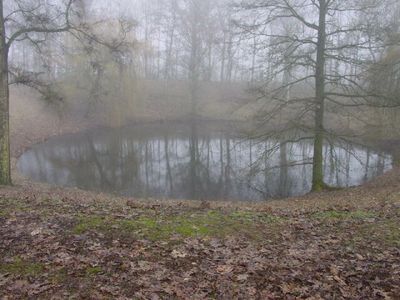
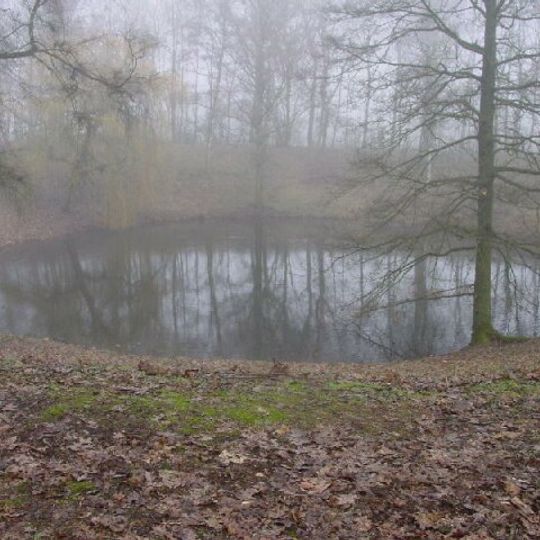
Caterpillar Crater is a circular depression in Zillebeke that measures roughly 79 meters across and drops about 15 meters deep at its center. The sunken bowl sits along Zwarteleenstraat and displays the raw evidence of the mine explosions that reshaped this ground.
British forces detonated underground mines beneath German positions on June 7, 1917 at 3:10 AM, inflicting heavy losses on the German 204th Division. This explosion was part of a wider strategy of mine warfare that reshaped the landscape around Ypres.
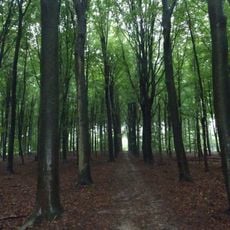
The site serves as a gathering place where visitors come to understand the scale of mining operations that shaped this corner of the Western Front. Walking around the depression, people come to recognize how deeply these military actions left their mark on the land itself.
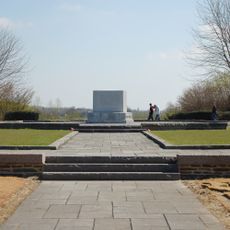
The site is best explored on foot and sits close to other war sites like Sanctuary Wood Museum and Hooge Crater War Museum. Plan your visit in dry weather, as the ground can become slippery after rain.
The name comes from the shape of the mine workings and tunnels that carried explosives during the strategic operations. Though these underground networks are no longer visible, their impact on the surface shape has remained permanent.
The community of curious travelers
AroundUs brings together thousands of curated places, local tips, and hidden gems, enriched daily by 60,000 contributors worldwide.