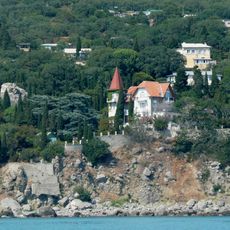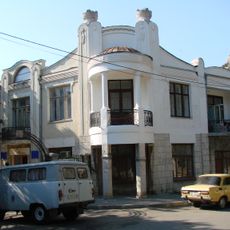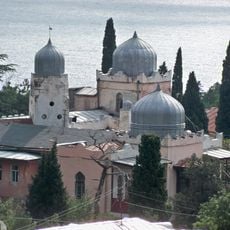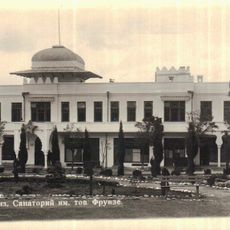
Black Sea, Adjacent sea in southern Russia.
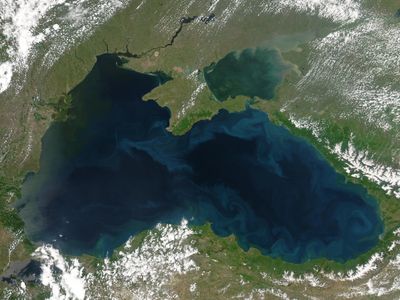
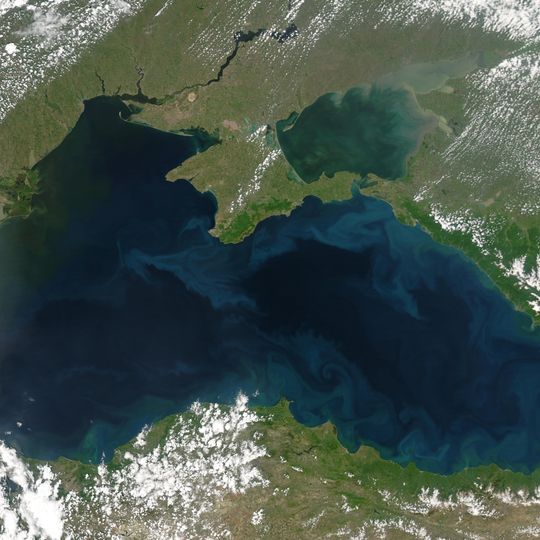
The Black Sea is a body of water between southeastern Europe and western Asia, connected to the Mediterranean through the Bosphorus. It receives freshwater from major rivers including the Danube, Dniester, and Don, which affect its salinity balance.
Greek settlers founded trading towns along the coast during the 7th and 6th centuries BCE, creating regional markets for grain and metal. Later, Byzantine and Ottoman empires controlled shipping routes, shaping the political character of the region for centuries.
Families gather along the coast during summer months when public beaches fill with swimmers and people grilling outdoors. Coastal towns operate small seafood restaurants that serve fish caught the same morning, often bought directly from local fishermen.
Access to Russian coastal areas varies depending on regional regulations, with most open shoreline found in the Caucasus region and Crimea. Visitors should check entry requirements and local rules before planning trips to specific coastal towns.
Below roughly 150 to 200 meters (about 500 to 650 feet), the water holds hydrogen sulfide, making the deep sea uninhabitable for most organisms. This condition developed through limited water circulation and organic decay over thousands of years.
The community of curious travelers
AroundUs brings together thousands of curated places, local tips, and hidden gems, enriched daily by 92,255 contributors worldwide.