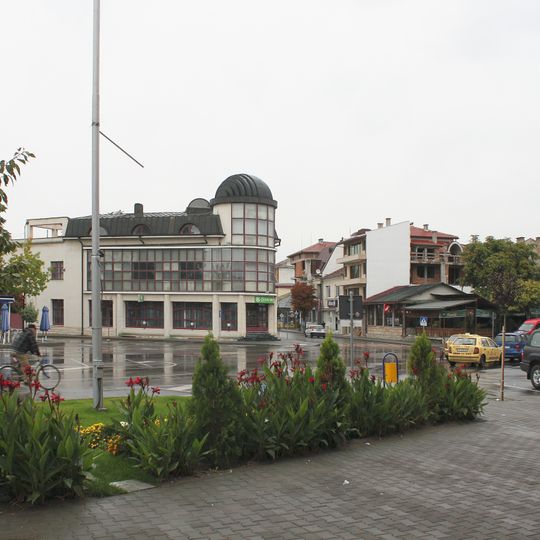
Svilengrad, city in Svilengrad municipality, Haskovo oblast, Bulgaria
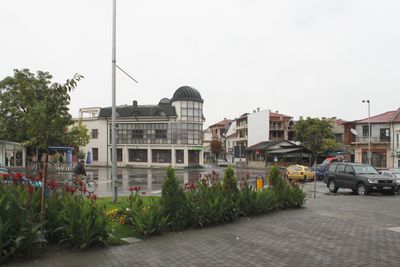
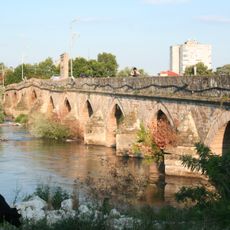
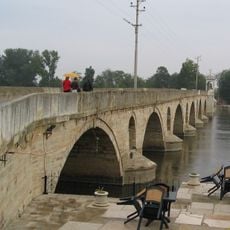
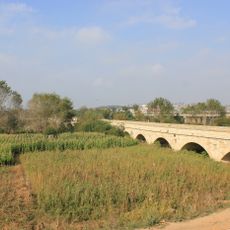
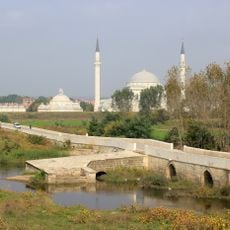
Svilengrad is a border city between Bulgaria, Greece, and Turkey situated on the Maritsa plains that offers a compact walkable center with shops, cafes, and modest accommodations. A 1529 stone bridge crossing the river serves as the town's iconic landmark and connects its historical layout to surrounding agricultural land and the transport networks that define its role.
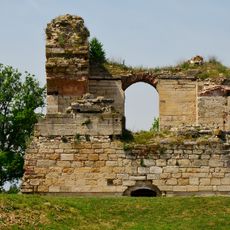
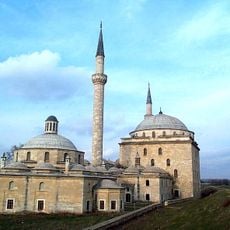
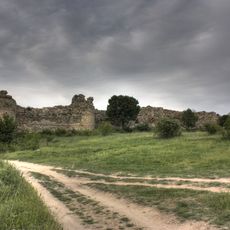
Svilengrad emerged in the 16th century under Ottoman rule as Cisr-i Mustafapaşa, named after the famous bridge spanning the Maritsa River. The town remained a crucial border crossing for centuries until becoming part of Bulgaria in the early 1900s, having witnessed significant medieval conflicts including battles in 1205 and 1371.
The name Svilengrad means 'Town of Silk,' reflecting its past as a center of silk farming in the early 1900s. Today, local crafts and market life reveal how these traditions continue to shape daily routines and community identity in the town.
The town is best explored on foot as the center is compact and walkable, while buses connect nearby villages and trains link to larger cities in the region. The best time to visit is March through November, with mild weather in spring and early autumn, as summers can exceed 86 degrees Fahrenheit (30 degrees Celsius) and winters often fall below freezing.
The town was a major center of silk production in Bulgaria during the early 1900s, supplying a large portion of the nation's silk output at that time. This historical role remains visible in traditional craft techniques and in the names of surrounding settlements that reflect the trade.
The community of curious travelers
AroundUs brings together thousands of curated places, local tips, and hidden gems, enriched daily by 90,775 contributors worldwide.