Gluhite kamani, Thracian megalithic sanctuary in Eastern Rhodopes, Bulgaria
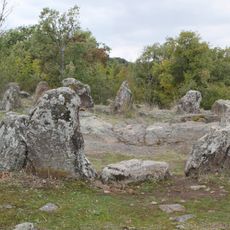
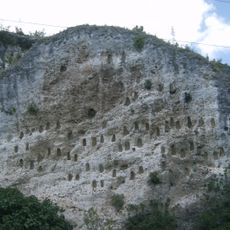
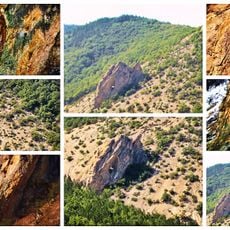
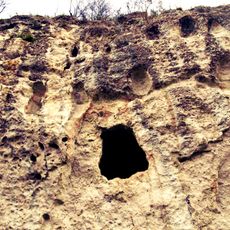
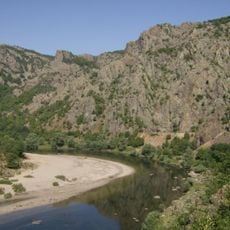
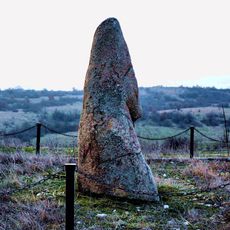
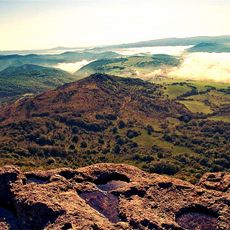
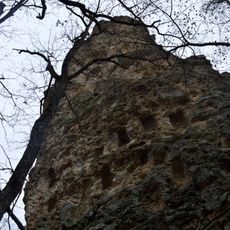
Gluhite kamani is a megalithic rock formation in the Eastern Rhodopes, Bulgaria, made up of four massive stone blocks separated by natural gorges. More than 200 carved niches of different shapes are spread across the rock faces of these blocks.
A hypothesis from the 1970s dates the sanctuary to the Early Iron Age, though trapezoidal niches and rock profiles suggest an origin in the Eneolithic. It was used by Thracian tribes and later by medieval Christians, who built a 5th–6th-century church, part of a monastery probably destroyed by soldiers of the Third Crusade. The site was declared a natural landmark in late 1972.
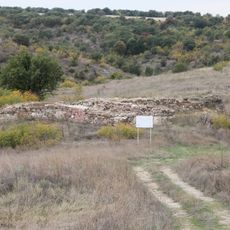
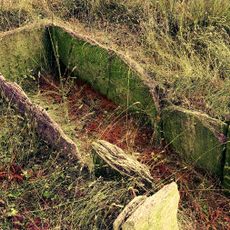
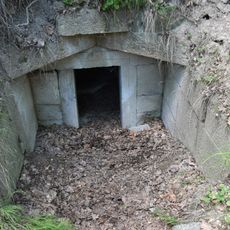
The name Gluhite kamani means "the silent stones." The two rock-cut rooms at the western base of the massif are not burial chambers: they served as a baptistery in the Middle Ages. A 5th–6th-century church stood at the foot of the rock, probably built over a pagan sanctuary, and was likely destroyed by soldiers of the Third Crusade.
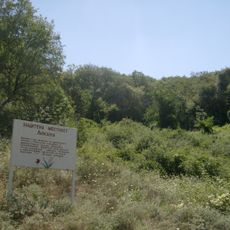
From the nearest road sign, a narrow path of about 2 kilometers leads to the rocks. A vehicle with high ground clearance is useful, especially in spring and autumn when the ground can be soft.
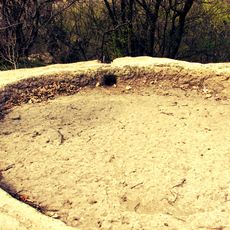
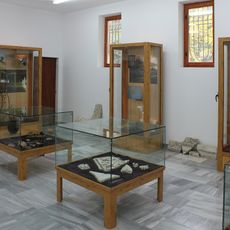
Steps carved into the southern rock face lead up to an ancient water reservoir, showing how people managed their water supply at this location. Excavations have uncovered marble slabs with inscriptions and coins from the city of Abdera, pointing to trade connections in ancient times.
The community of curious travelers
AroundUs brings together thousands of curated places, local tips, and hidden gems, enriched daily by 94,388 contributors worldwide.