Villa Armira, Roman villa in Ivaylovgrad, Bulgaria
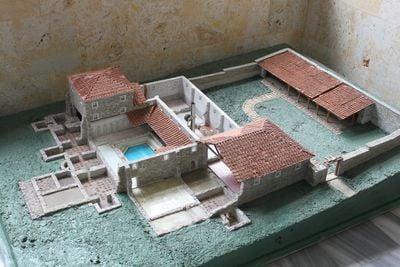
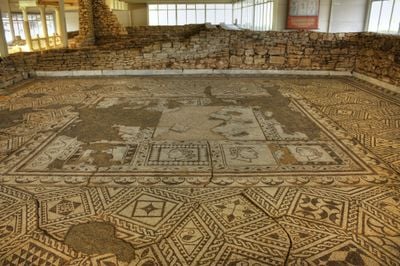
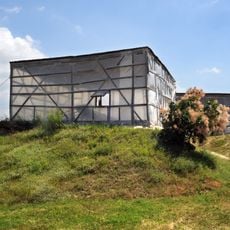
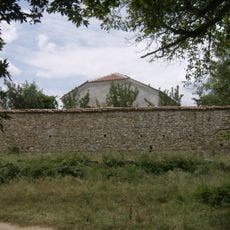
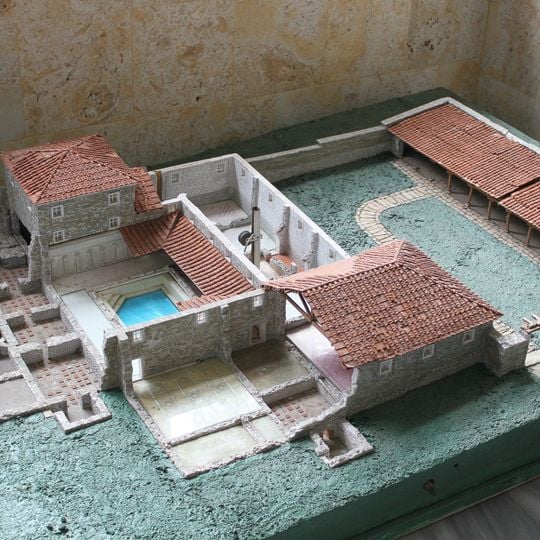
Villa Armira is a two-storey U-shaped Roman villa of 3,600 square metres with 22 ground-floor rooms around a peristyle courtyard and impluvium. Its walls were clad in white marble, and the floors carry mosaics with geometric, animal and plant motifs; a 3rd-century addition brought a triclinium and hypocaust. The site lies 4 km southwest of Ivaylovgrad, by the Armira River.
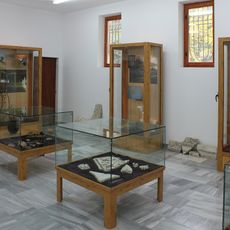
This residence was built during Roman times and remained inhabited until the fourth century before being abandoned. Archaeologists discovered it in 1964 through excavations and have since uncovered its layout and furnishings.
The villa takes its name from the Armira, a small tributary of the Arda on whose bank it was built. Sculptors from Aphrodisias in Asia Minor are thought to have worked on the marble decoration. The mosaic portraits of the 2nd-century owner and his two children, the only Roman-era mosaic portraits found in Bulgaria, are now kept in the National Historical Museum in Sofia.
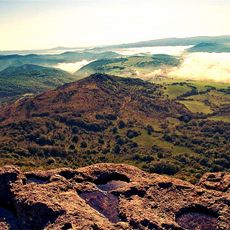
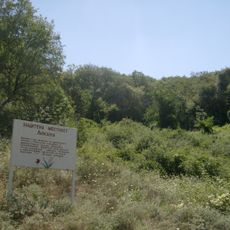
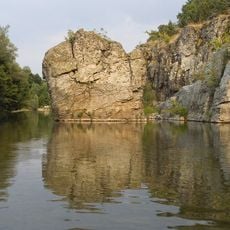
Villa Armira lies about 4 km southwest of Ivaylovgrad, near the Armira River. The site reopened in summer 2024 after roof and visitor-infrastructure repairs. Paths and floors are uneven, so wear sturdy shoes.
The property had an advanced heating system with underground channels that distributed warm air beneath the floors to heat rooms during winter. This shows that residents were technically skilled and valued comfort.
The community of curious travelers
AroundUs brings together thousands of curated places, local tips, and hidden gems, enriched daily by 93,472 contributors worldwide.