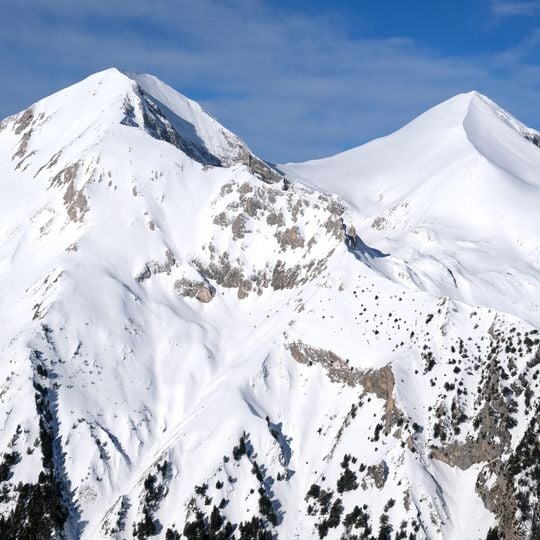
Pirin National Park, Mountain national park in Blagoevgrad Province, Bulgaria
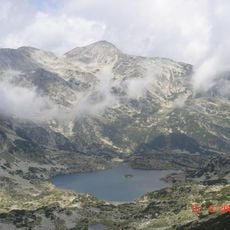
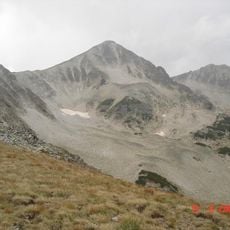
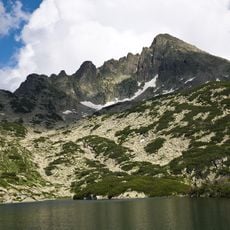
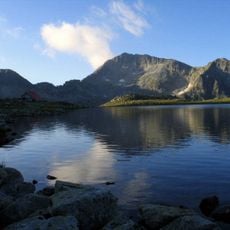
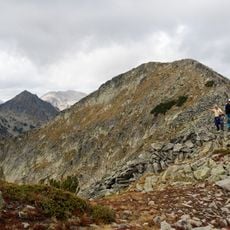
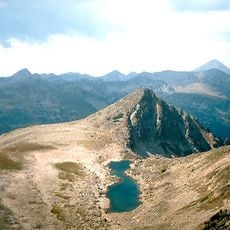
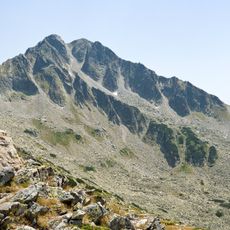
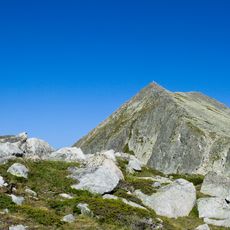
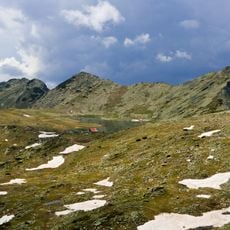
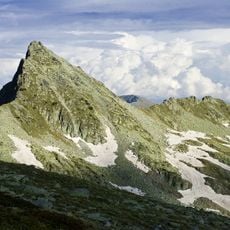
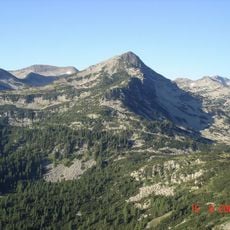
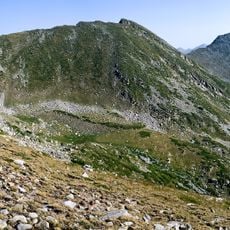
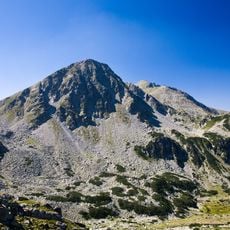
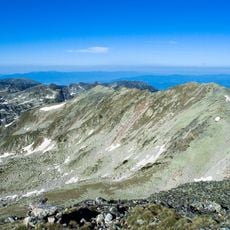
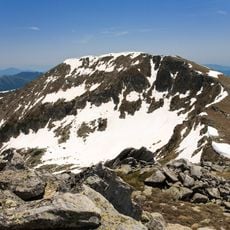
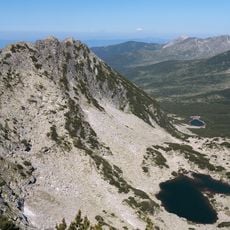
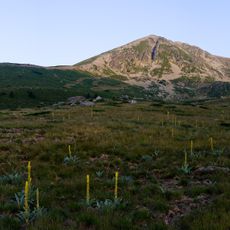
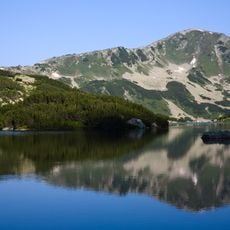
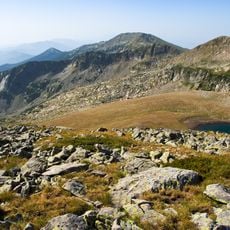
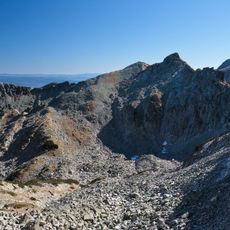
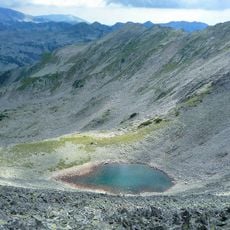
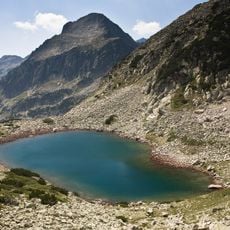
Pirin National Park protects most of the Pirin Mountains in southwestern Bulgaria, from 950 m up to Vihren at 2,914 m. Its northern section holds the marble Vihren ridge with Kutelo and Banski Suhodol, while granite ridges rise to the south. Forests cover 57.3 percent of the park, almost all coniferous, and 118 glacial lakes lie in cirques.
The area was established as Vihren National Park in 1962 and gained UNESCO World Heritage recognition in 1983 for its natural character. These early protection measures helped safeguard the mountain landscape and its ecosystems from major changes.
The park's name comes from Perun, the Slavic thunder god, whom the Slavs likened to the mountain when they settled here. The edelweiss, protected by law, has become a symbol of Pirin. The reserve Bayuvi Dupki–Dzhindzhiritsa, among Bulgaria's oldest, is part of UNESCO's Man and the Biosphere network.
The park has no settlements inside its boundaries; its six sectors are administered from Bansko, Razlog, Dobrinishte, Sandanski and Kresna. Visitor and information centres operate in Bansko and Sandanski. The relief is alpine, with steep slopes and deep valleys, and the elevation runs from 950 m to 2,914 m at Vihren.
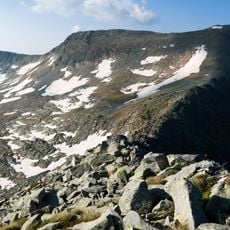
Bulgaria's oldest tree, Baikushev's pine, grows in the park; about 1,300 years old, it dates from the founding of the Bulgarian state in 681 CE. In the Golemiya Kazan cirque below Vihren, the Snezhnika snowfield is among Europe's southernmost small glaciers.
The community of curious travelers
AroundUs brings together thousands of curated places, local tips, and hidden gems, enriched daily by 94,120 contributors worldwide.