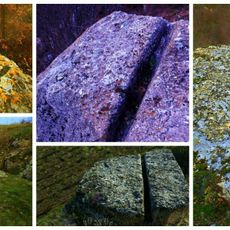
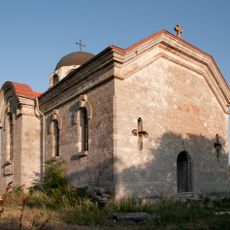
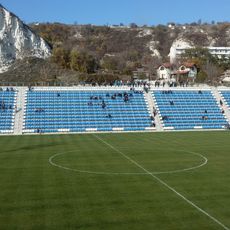
Kaliakra, Nature reserve and fortress at Kaliakra cape, Bulgaria
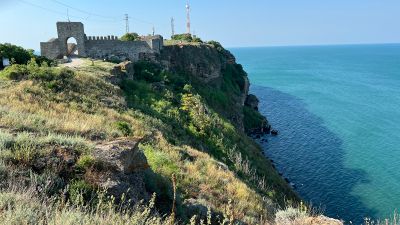
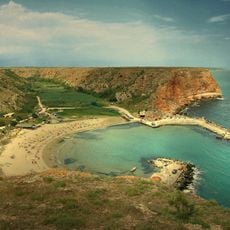
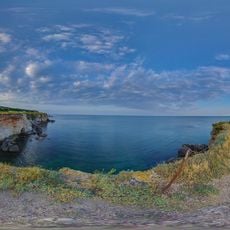
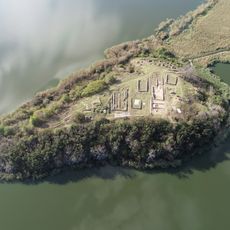
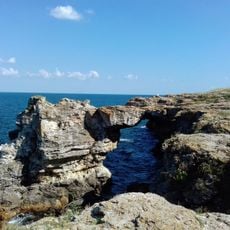
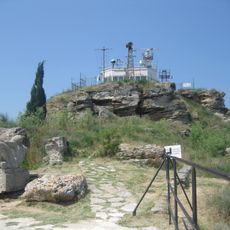
Kaliakra is a cape on Bulgaria's Black Sea coast that combines a nature reserve and cultural site with steep cliffs and ancient ruins. The headland juts far out to sea and is topped by a medieval fortress whose remains scatter across the rocky terrain.
The Thracian tribe of Tiris settled the cape in the 4th century BC and gave it the name Tirizis. In the 5th–6th century the fortress, then called Accra Castellium, was one of the 15 cities of the province of Scythia. In the second half of the 14th century it became the capital of the Karvuna despotate of Balik and Dobrotitsa, who minted his own coins there. It fell under Ottoman rule in 1393–1394.
The name Kaliakra comes from Byzantine Greek kalos akra, 'beautiful headland'. A local legend tells of forty Bulgarian maidens who tied their hair together and jumped into the sea rather than be captured by the Ottomans; one was named Kaliakra. At the start of the cape stands an obelisk called the Gate of the Forty Maidens.
The cape lies 12 km east of Kavarna, reached via the village of Balgarevo; the headland extends 2 km into the sea. Paths run along the cliff edge, where the drop reaches 70 m, so keep back from the rim. A two-storey restaurant is built into a cave on the right bank below the fortress, and a second alley leads to a small cave museum holding archaeological finds and the Bulgarian Tourist Union stamp.
Kaliakra sits on the Via Pontica migration route, and more than 150 bird species stop on the cape and the nearby wetlands of Bolata and Taukliman during migration. The reserve also holds the only steppe grass communities in Bulgaria, and in 1981 the monk seal was still recorded in the sea caves beneath the cliffs.
The community of curious travelers
AroundUs brings together thousands of curated places, local tips, and hidden gems, enriched daily by 93,560 contributors worldwide.