Serdica, Ancient Roman city in central Sofia, Bulgaria.
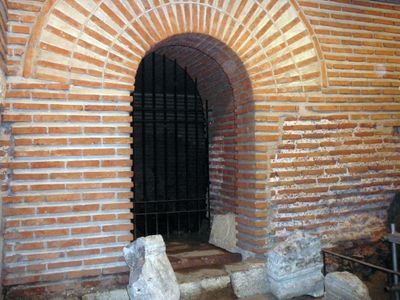
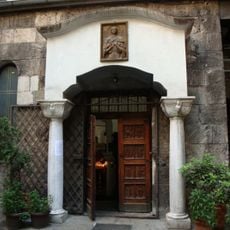
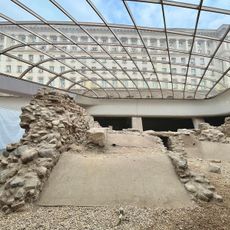
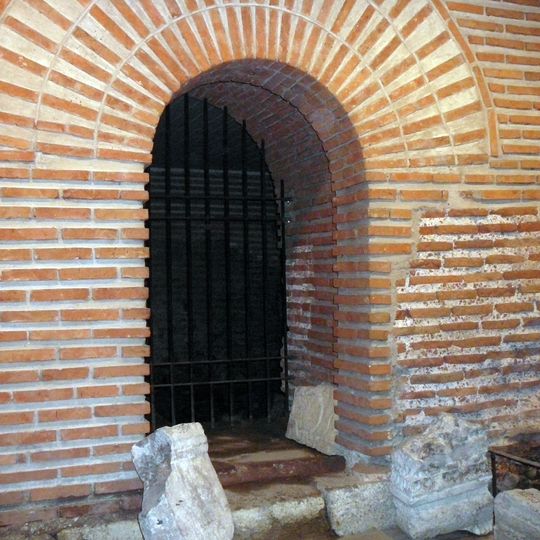
Serdica is the Roman city beneath central Sofia. Its late 3rd-century walls, about 340 by 560 metres, enclosed an area of roughly 17.5 hectares, with round and triangular towers and four gates. Excavated sections show streets, baths, a civic basilica and the 4th-century Church of St. George Rotunda.
The Serdi, a Celtic tribe, gave the city its name; the earliest mention is a 1st-century BC Athenian inscription. Rome subdued the Serdi around 29 BC, and Trajan granted the city municipal status as Ulpia Serdica (98–117). In 170 the Costoboci burned it, prompting Marcus Aurelius and Commodus to build the first walls in 176–180, whose building inscription survives at the western gate.
The site hosted the Council of Serdica in 343 and features the Episcopal basilica of Protogenes, one of the earliest Christian basilicas in the region from the 4th century.
The archaeological exhibition is open Tuesday through Sunday beneath Nezavisimost Square, with entry requiring only a metro ticket costing about one Bulgarian lev or 60 cents.
The Serdica II Metro station displays ancient artifacts in glass cases on its platform, including Neolithic pots and Roman columns found during construction between 2010 and 2012.
The community of curious travelers
AroundUs brings together thousands of curated places, local tips, and hidden gems, enriched daily by 93,473 contributors worldwide.