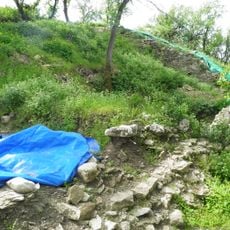
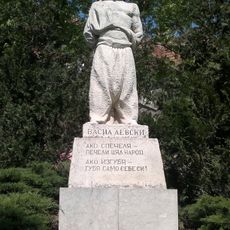
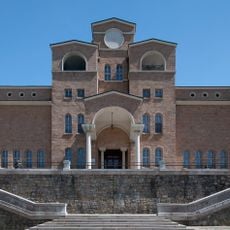
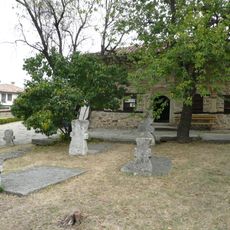
Northern Bulgaria, Historical region in Bulgaria.
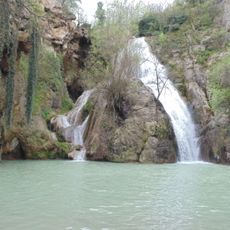
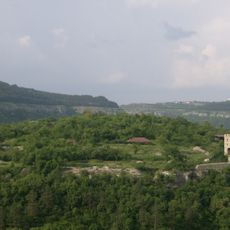
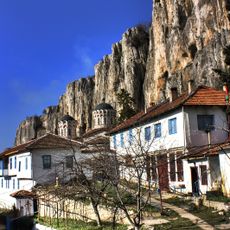
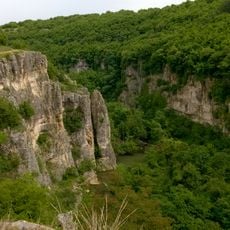
Northern Bulgaria spans from the Timok River to the Black Sea coast, with the Balkan Mountains marking its southern border and the Danube forming its northern edge. The landscape features fertile soils supporting agriculture, along with several large cities that serve as regional centers.
The territory became part of the Principality of Bulgaria in 1878 following liberation from Ottoman rule. This change marked a turning point in the region's development and administration.
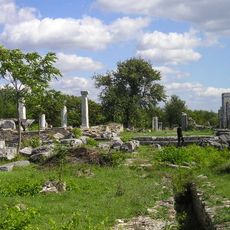
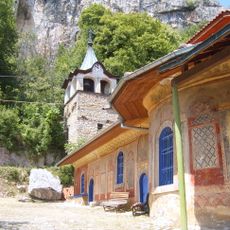
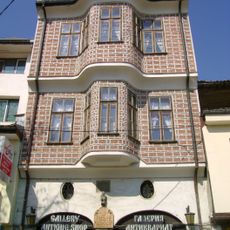
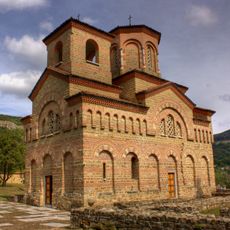
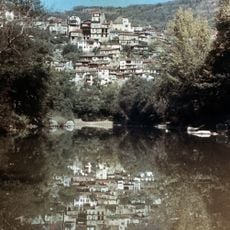
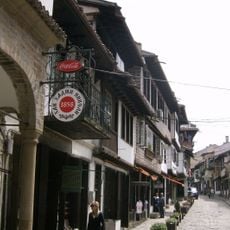
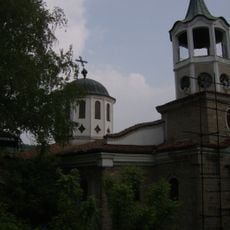
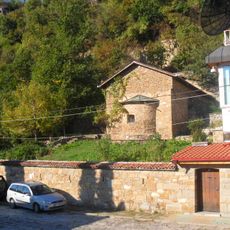
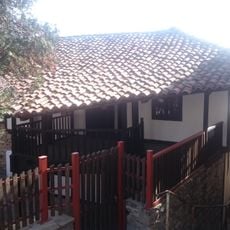
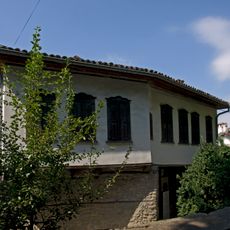
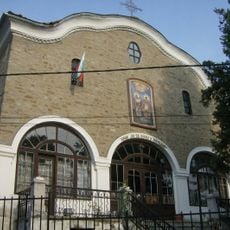
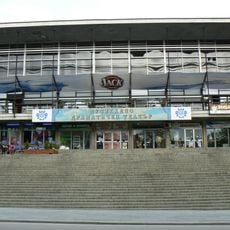
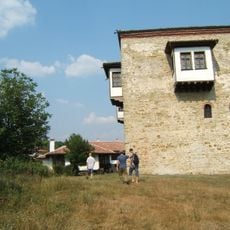
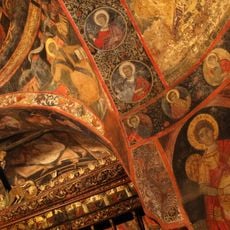
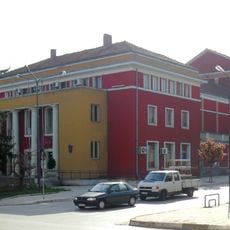
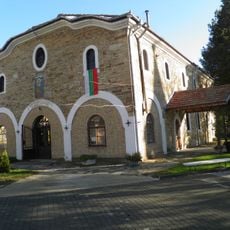
The region carries traces of different cultures visible in buildings, street layouts, and local practices. Visitors notice these influences especially in older neighborhoods of cities like Varna, Rousse, and Pleven.
Major cities are easily accessible by public transport and offer good access to shops, restaurants, and accommodations. The best time to explore is from spring through fall, when weather and road conditions are pleasant.
An invisible boundary known as the Jireček Line passes through this region, marking an ancient language divide between Latin influences to the north and Greek influences to the south. This linguistic border reflects centuries of different cultural presence in antiquity.
The community of curious travelers
AroundUs brings together thousands of curated places, local tips, and hidden gems, enriched daily by 91,698 contributors worldwide.