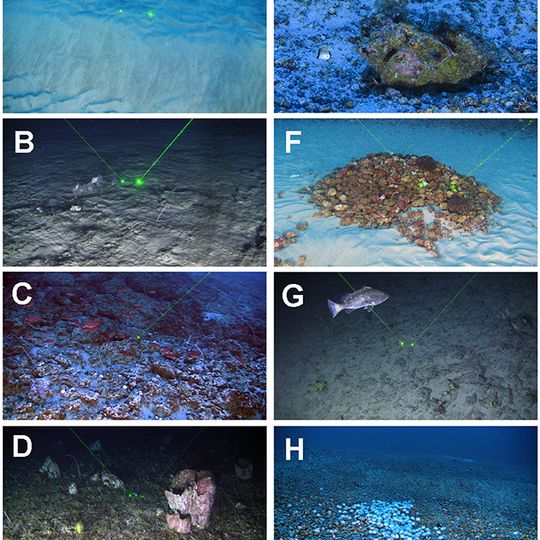
Amazon Reef, Coral and sponge reef system off Maranhão, Brazil
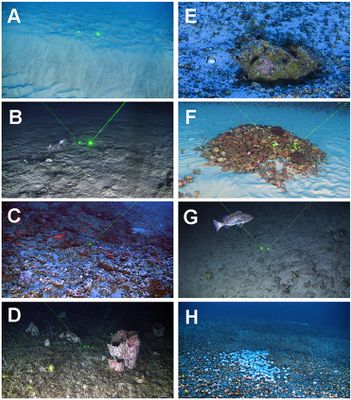
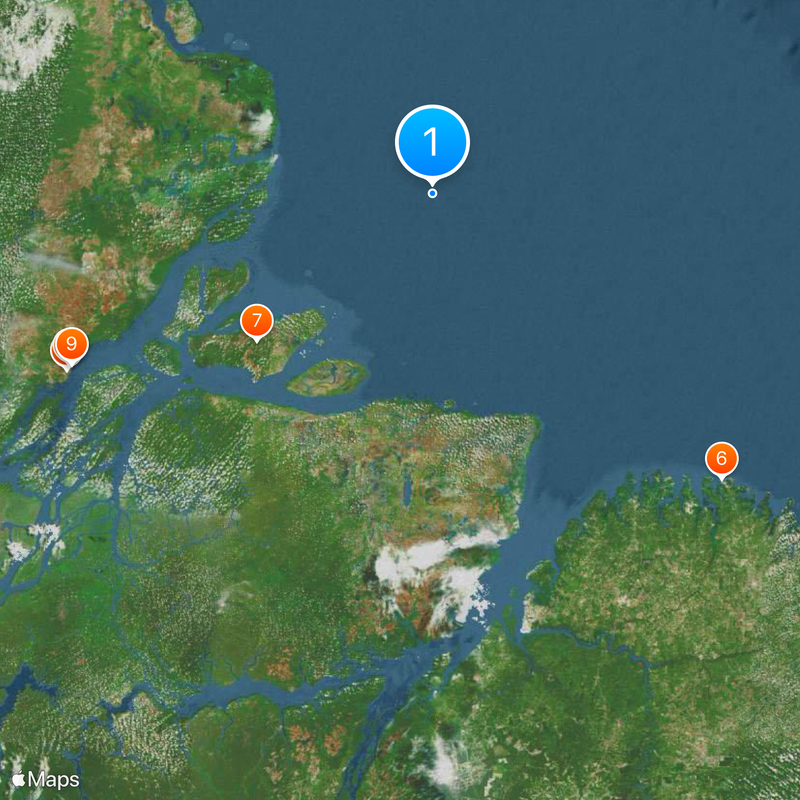
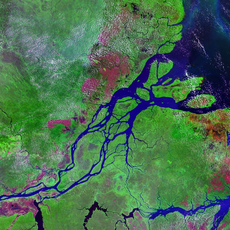
The Amazon Reef is a coral and sponge reef system extending across hundreds of kilometers along the Brazilian coast at depths between 30 and 120 meters. It exists in Atlantic Ocean waters off the states of Maranhão, Pará, and Amapá, supporting diverse marine communities.
Scientists first detected the reef structures in the 1950s through sponge collections and fish observations near the Amazon River delta. Research since then has revealed how the system developed as a unique ecological environment shaped by river sediment.
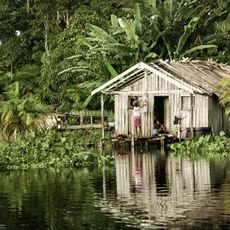
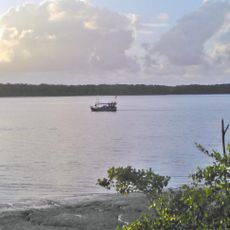
The fishing communities along the northern coast have relied on these waters for generations, and the reef remains central to their way of life. People here depend on the abundance of marine life the system provides for their livelihoods and food.
The reef receives limited sunlight due to the Amazon River sediment plume, which affects visibility and marine life distribution in these waters. Visitors should plan trips during clearer periods and be prepared for variable underwater conditions depending on the season.
The reef contains around 61 sponge species and 73 types of fish that thrive despite massive sediment deposits from the Amazon River. These organisms have adapted to an unusual environment, showing how marine life survives in one of the world's most extreme reef systems.
The community of curious travelers
AroundUs brings together thousands of curated places, local tips, and hidden gems, enriched daily by 92,892 contributors worldwide.