Lake Superior National Marine Conservation Area, National marine conservation area in Thunder Bay District, Canada
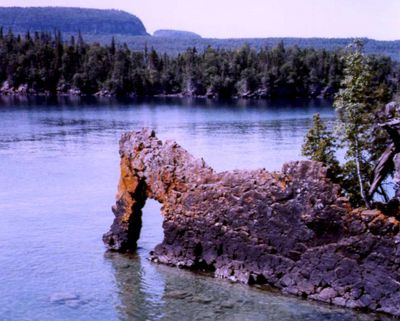
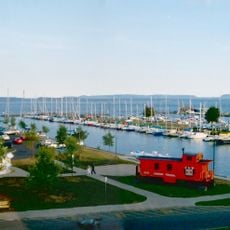
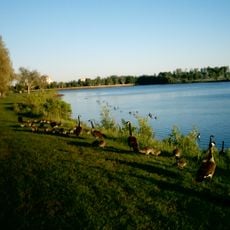
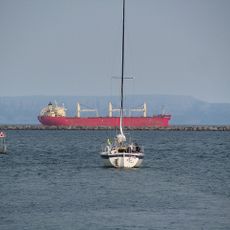
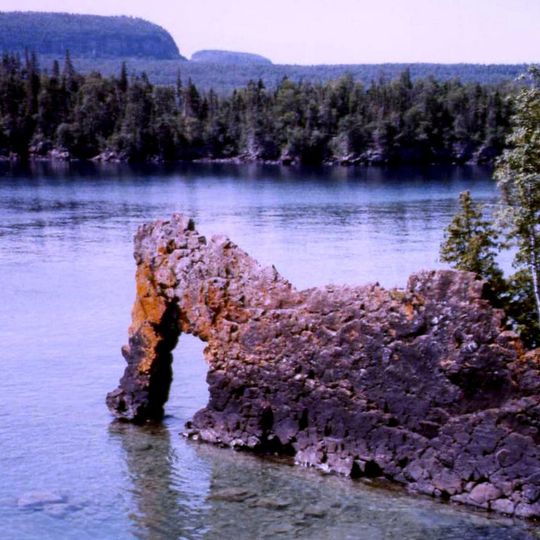
Lake Superior National Marine Conservation Area is a federally protected freshwater area along the northern shore of Lake Superior in Ontario, Canada, covering rocky coves, islands, and deep lake zones. The area also takes in a stretch of boreal forest along the coast, making it one of the few places where land and lake habitats are managed together.
The area was officially designated in 2015 after years of consultations with local First Nations communities who have lived along these shores for generations. This was part of a broader federal effort to extend marine conservation to freshwater environments, a relatively new approach in Canada at the time.
The waters have served as a major trade route for First Nations peoples and later fur trading companies over many centuries. Today, pictograph sites and remnants of trading networks remain visible evidence of this extended period of human activity.
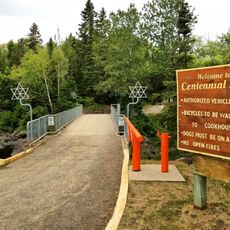
The area is most accessible from late spring through early fall, when boating, kayaking, and hiking along the shore are all possible. Lake conditions can shift quickly, so checking forecasts before heading out is always a good idea, whatever the season.
More than 50 shipwrecks from different eras rest on the lake floor within this area, ranging from wooden sailing vessels to steel steamships. Because Lake Superior's water is extremely cold and low in nutrients, many of these wrecks have been preserved in a way that is rare for other lake systems, making them a draw for divers.
The community of curious travelers
AroundUs brings together thousands of curated places, local tips, and hidden gems, enriched daily by 91,393 contributors worldwide.