Rideau Canal, Historic waterway in Ontario, Canada
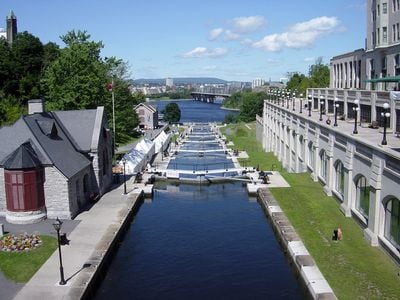
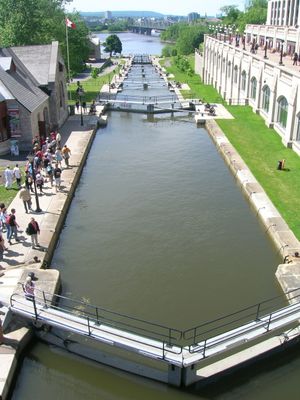
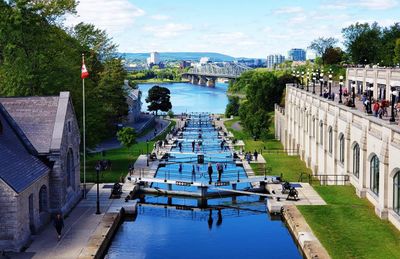
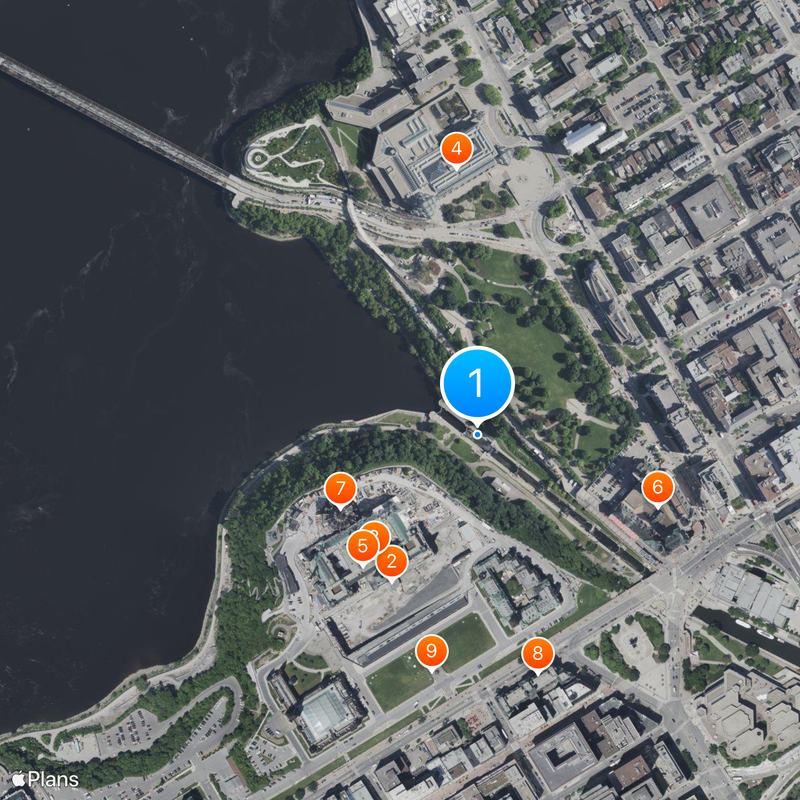
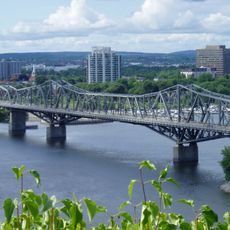
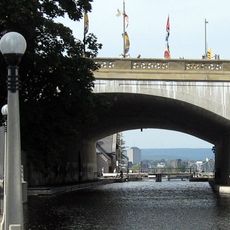
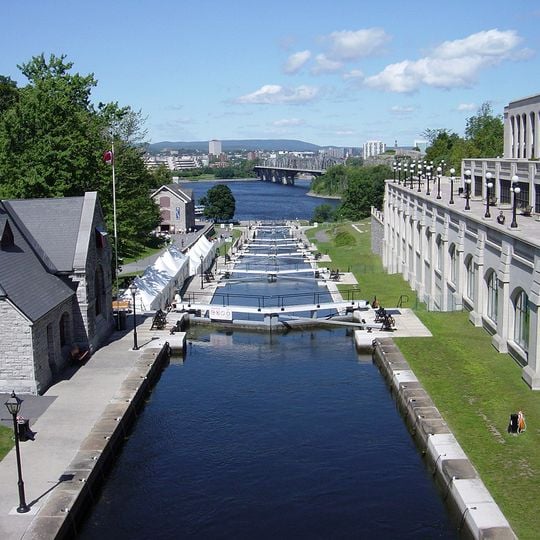
The Rideau Canal is a historic waterway in Ontario, Canada, stretching 202 kilometers from Ottawa to Kingston and linking natural waterways through 47 locks that manage elevation changes. The canal passes through forests, farmland, and small towns, with lock stations built mostly from gray stone and operated by hand.
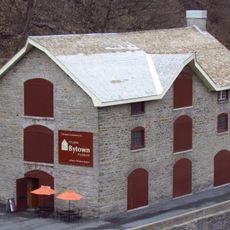
Engineers completed the canal in 1832 under Lieutenant Colonel John By to establish a secure military route following concerns about American expansion. The canal later shifted to civilian use and gradually lost its original strategic purpose, but remained in operation as a transportation route.
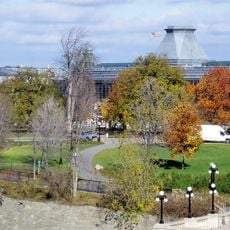
The canal takes its name from the Rideau River, which flows along part of its route and whose French name refers to the curtain-like waterfalls at the rapids. Today, locals and visitors use the waterfront promenades for walking, cycling, and picnicking, while recreational boats pass through the locks during warmer months and skaters populate the frozen surface in winter.
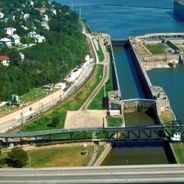
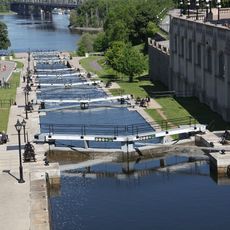
The canal has 24 lock stations with hand cranks that allow vessels to move between different water levels as they travel through the eastern Ontario region. Visitors can watch the locks operate from the shore or explore towpath trails along different sections, with many stops offering picnic tables and information panels.
During winter months, a 7.8-kilometer section of the canal freezes to form a natural skating surface in the center of Ottawa. This section has been recognized in the Guinness Book of Records as the largest naturally frozen skating rink in the world and draws thousands of skaters daily.
The community of curious travelers
AroundUs brings together thousands of curated places, local tips, and hidden gems, enriched daily by 60,000 contributors worldwide.