Great Lakes region, Geographic region around five major lakes in North America
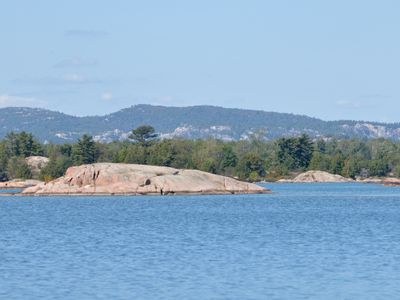
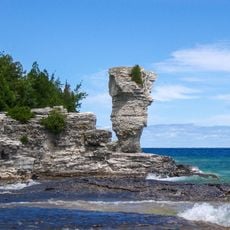
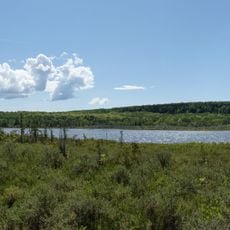
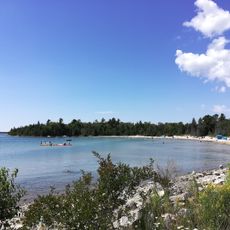
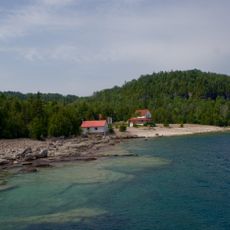
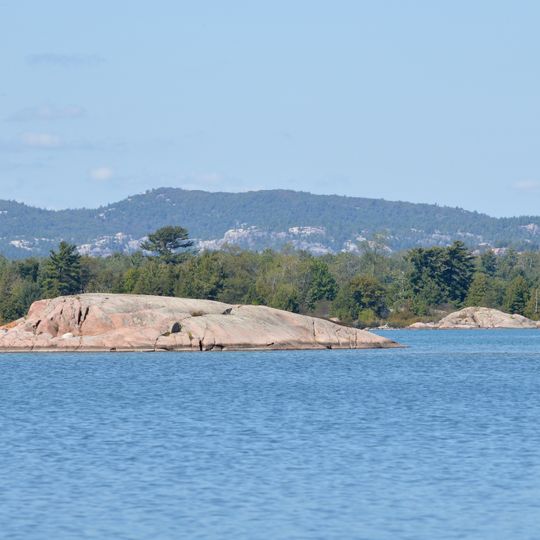
The Great Lakes region spans five connected freshwater lakes straddling the United States and Canada, covering parts of eight American states and Ontario. Each lake features distinct shorelines, islands, bays, and harbors linked by natural channels and engineered waterways.
Indigenous peoples lived along these shores for thousands of years before French explorers arrived via the Saint Lawrence River in the 17th century. Fur trade, agriculture, and later heavy industry reshaped the lakeshores and cities surrounding the waters.
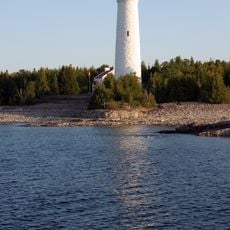
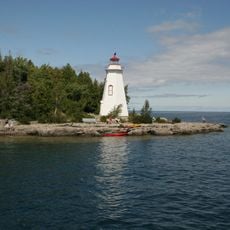
Fishing communities along the shores maintain seasonal routines tied to salmon runs and walleye migrations, practices passed down through generations. Boaters and sailors navigate using landmarks and lighthouses that have guided travelers for more than a century.
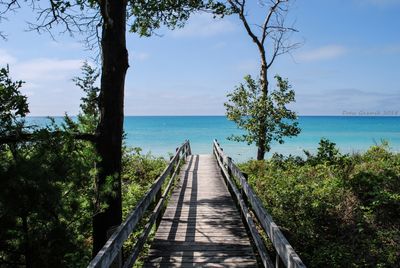
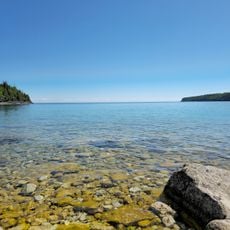
Many shoreline areas can be reached by road and walking trails that offer views of open water and offshore islands. Visitors find marinas, beaches, and parks along the coasts, though weather conditions can shift quickly.
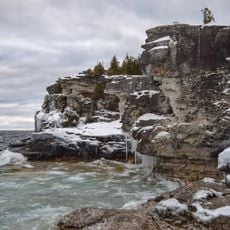
The five lakes hold roughly 20 percent of the world's surface freshwater and form the largest freshwater system by total area. Waves on Lake Superior can reach heights similar to those found at sea, especially during autumn storms.
The community of curious travelers
AroundUs brings together thousands of curated places, local tips, and hidden gems, enriched daily by 92,426 contributors worldwide.