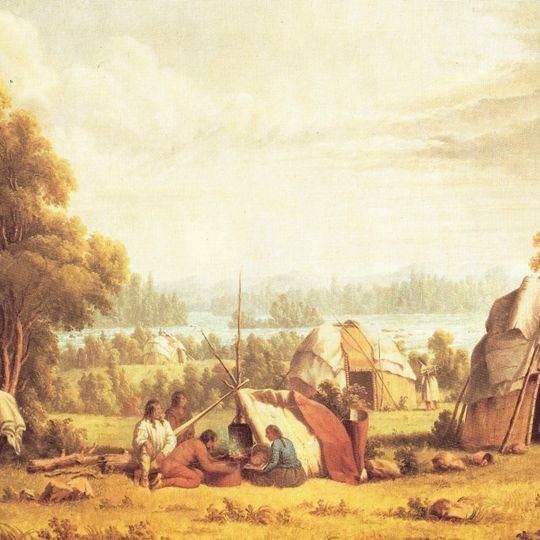
Ojibwe, Indigenous ethnic group in Great Lakes region, United States and Canada
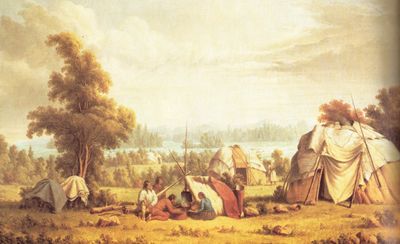
The Ojibwe are an indigenous people living across the Great Lakes region in the United States and Canada, with more than 300,000 members today. Their communities stretch through Michigan, Wisconsin, Minnesota, North Dakota, Montana, and several Canadian provinces, where they live in reservation areas and urban centers alike.
Oral histories tell of a migration from the Saint Lawrence River area westward through the Great Lakes over several centuries. This movement followed spiritual prophecies guiding the people to shores where wild rice grew in abundance.
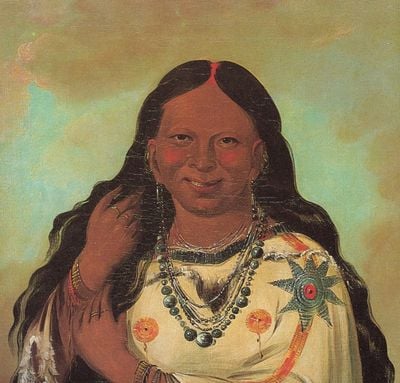
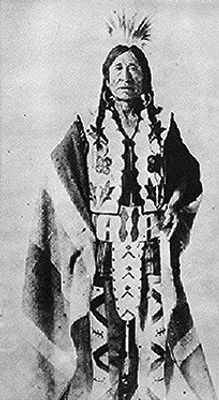
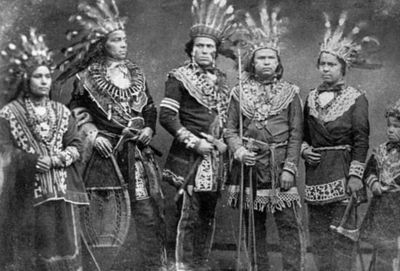
At powwows and gatherings, participants wear regalia decorated with beadwork and listen to songs accompanied by drumming circles. In many communities, you can see dreamcatchers and woven mats crafted using patterns passed down through families.
Many communities hold public events with dance, food, and craft demonstrations each year, often taking place from May through September. Cultural centers in larger cities offer exhibits and workshops where visitors can learn about language, traditional crafts, and oral storytelling.
A treaty from 1837 guarantees rights to hunt, fish, and harvest wild rice in designated territories, practiced by members to this day. These provisions allow many families to gather food using methods taught across generations.
The community of curious travelers
AroundUs brings together thousands of curated places, local tips, and hidden gems, enriched daily by 60,000 contributors worldwide.