Western Quebec Seismic Zone, Seismic monitoring zone in Ottawa Valley, Canada
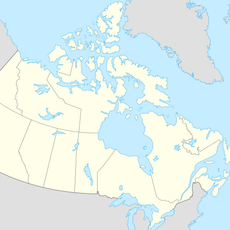
The Western Quebec Seismic Zone is a region where the earth's crust experiences repeated movement, stretching from Montreal westward toward Témiscaming within the Laurentian Mountains. The zone spans across parts of both Eastern Ontario and Western Quebec, with monitoring equipment placed throughout the affected area.
The region experienced its first documented earthquake in 1732 centered near Montreal, which caused building damage and sparked early scientific interest in the area's geology. This early event established awareness of the zone's ongoing seismic character.
The zone draws together researchers and residents who have learned to live with occasional ground tremors as part of their regional identity. This shared awareness of the region's geological character shapes how communities here think about their relationship with the landscape.
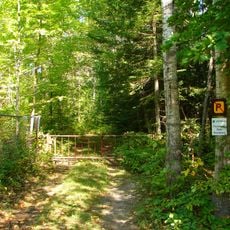
You can explore this zone by driving through or hiking its landscapes, though most seismic activity goes unnoticed by visitors. The region experiences frequent minor earthquakes that are generally not felt, so your visit will likely be unaffected by geological movement.
Small earthquakes occur here roughly every five days on average, making it one of Canada's most seismically active areas despite being located far from any plate boundary. This frequent activity allows scientists to gather valuable data about how the continent's interior behaves geologically.
The community of curious travelers
AroundUs brings together thousands of curated places, local tips, and hidden gems, enriched daily by 90,817 contributors worldwide.