Lake Arkona, Prehistoric glacial lake in Ontario, Canada
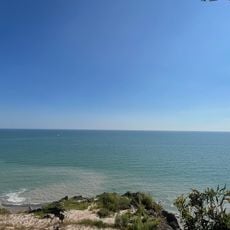
Lake Arkona was a prehistoric glacial lake that covered the Erie basin, stretching across parts of Ohio, Ontario, Michigan, and Pennsylvania. The water body measured roughly 388 kilometers long and 92 kilometers wide, reshaping the landscape across multiple states and provinces.
The lake formed roughly 13,600 years ago when the Laurentide Ice Sheet melted during the last glaciation period and filled the Huron-Erie-Ontario basin. This glacial meltwater event marked a major shift in the post-ice age geological history of the region.
Archaeological findings near Lake Arkona indicate the presence of early civilizations that depended on its resources for survival and development.
This former lake site is accessible today for those interested in geology and understanding past environmental changes through visible landscape features. Visitors can observe sediment deposits and geological markers that reveal how ice age processes shaped the current terrain.
Three separate gravel ridges from this ancient lake remain visible today, extending southward toward Lenox across the landscape. These deposits consist of stiff clay that forms distinctive consolidated layers over considerable distances.
The community of curious travelers
AroundUs brings together thousands of curated places, local tips, and hidden gems, enriched daily by 60,000 contributors worldwide.