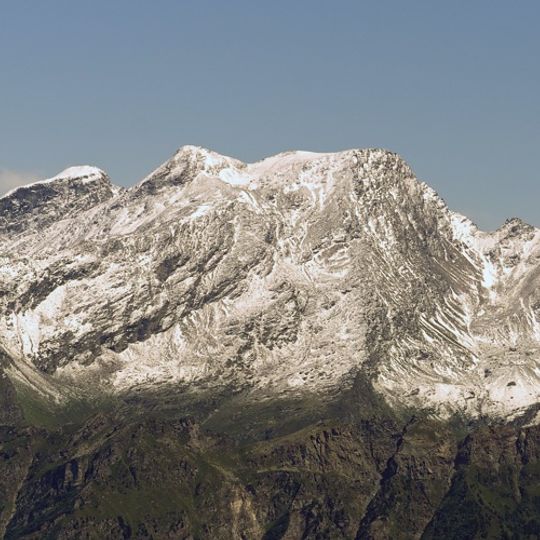
Lepontine Alps, Mountain range in Valais, Ticino, Uri, Grisons, Piedmont, and Lombardy, Switzerland and Italy
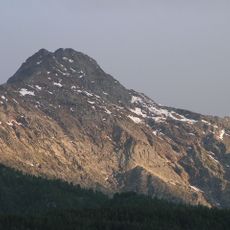
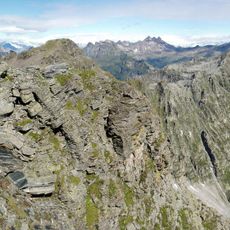
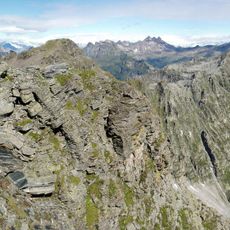
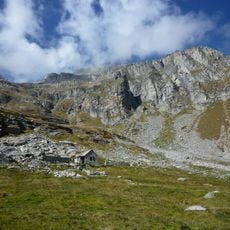
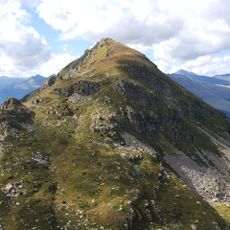
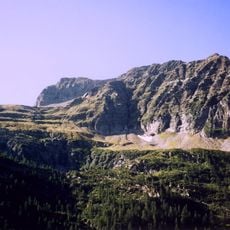
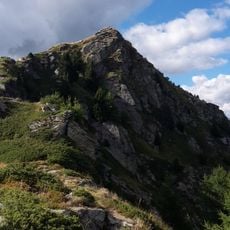
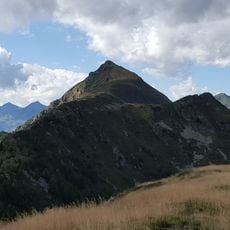
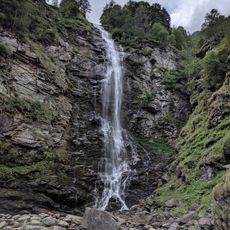
The Lepontine Alps spread across the Swiss-Italian border with multiple peaks rising above 3,500 meters, including high mountain passes that connect the two countries. Deep valleys and mountain lakes punctuate the landscape, creating varied terrain for hiking and exploration.
The name comes from the Lepontii, a Celtic people who lived in these mountains before Roman settlements arrived in the region. Later, the valleys became key trade routes connecting the north and south through mountain passes that shaped local development.
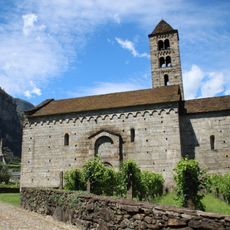
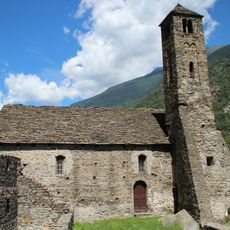
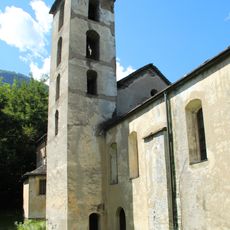
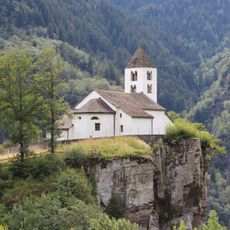
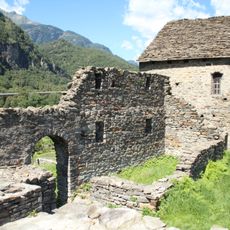
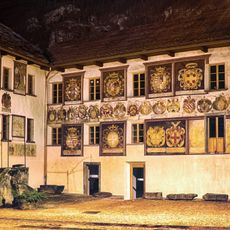
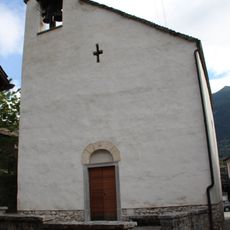
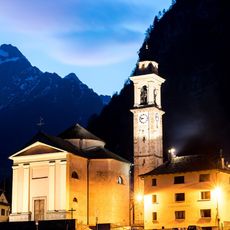
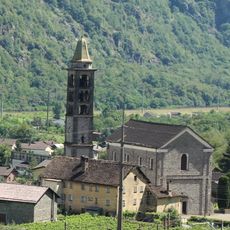
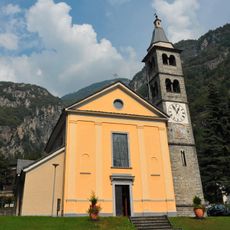
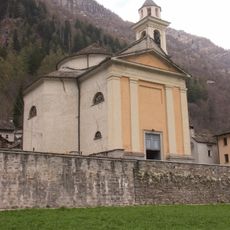
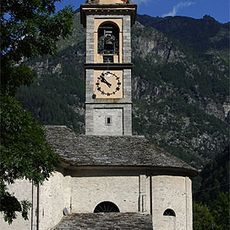
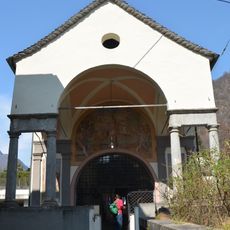
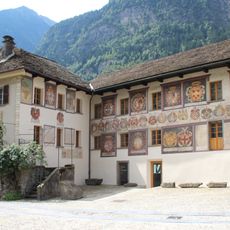
The valleys here are home to traditions visible in local festivals, handmade regional products, and the distinctive stone houses that define the mountain communities. You can see in the villages how people have adapted their daily lives to the mountain environment over many generations.
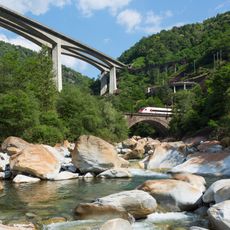
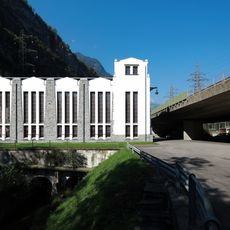
The region is accessible through several mountain passes and modern railway tunnels that offer year-round access beneath the peaks. Hikers should prepare for changing weather conditions and expect snow or rain at higher elevations, especially outside the summer season.
This mountain range is known for the Lepontine Dome, a geological formation that reveals the deepest tectonic structures exposed anywhere in the Central Alps. Scientists study these layers to understand how mountain building processes work over vast timescales.
The community of curious travelers
AroundUs brings together thousands of curated places, local tips, and hidden gems, enriched daily by 60,000 contributors worldwide.