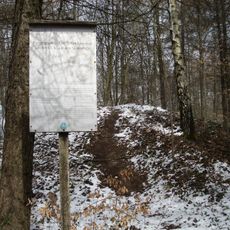
Fallätsche, Geological funnel in Leimbach, Switzerland.
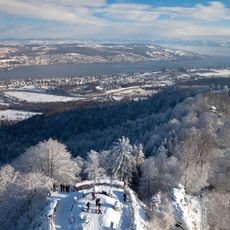
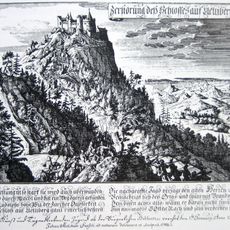
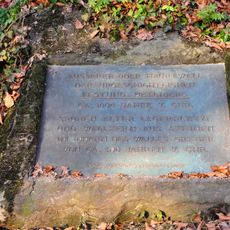
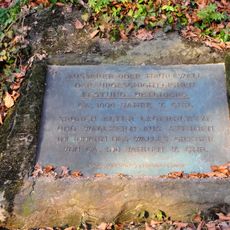
Fallätsche is an erosion funnel in the molasse rock of the Albis ridge between Uetliberg and Baldern, in Zürich's Leimbach quarter. It runs about 400 metres north to south and reaches roughly 200 metres down toward Leimbach. Its steep wall exposes 300 metres of molasse sediments, and the funnel is the source of the Rütschlibach, which flows into the Sihl at Leimbach.
The steep wall formed at the end of the last ice age, when the Linth glacier retreated and exposed 300 metres of molasse sediments. Backward erosion has since eaten about 400 metres north to south and roughly 200 metres down towards Leimbach, forcing the ridge path at about 780 m to be moved several times. The last major rockfall occurred on 8 May 2004.
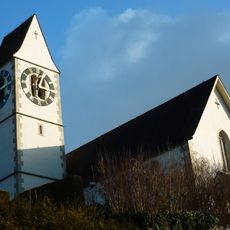
The name comes from Latin vallis, 'valley', with the suffix -acea, giving *(terra) vallacea, 'valley-like terrain'; it was adopted into German centuries before it is first documented in Zürich in the 14th century. Several club huts stand in the Fallätsche area, built in the first two decades of the 20th century when the slope was less wooded: Bristenstäfeli, the Alpina hut, the Teehütte Fallätsche (1908/09) of the Alpenclub, the Glecksteinhütte (1909/10) of the Alpenclub Amicitia and the hut of the Alpenclub Felsenkammer.
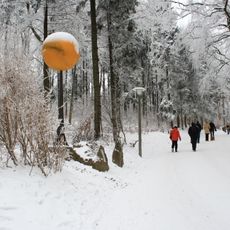
The site is best reached by S4 train to Zürich Leimbach station, then following marked walking paths. The area is easily accessible on foot and offers clear views of the surrounding landscape.
The Fallätsche is the source of the Rütschlibach, which flows into the Sihl at Leimbach. At the foot of the molasse lies a horizon of bituminous marl known as "Stinkkalke": struck with a hammer, it smells of petrol because of its high organic content.
The community of curious travelers
AroundUs brings together thousands of curated places, local tips, and hidden gems, enriched daily by 94,072 contributors worldwide.