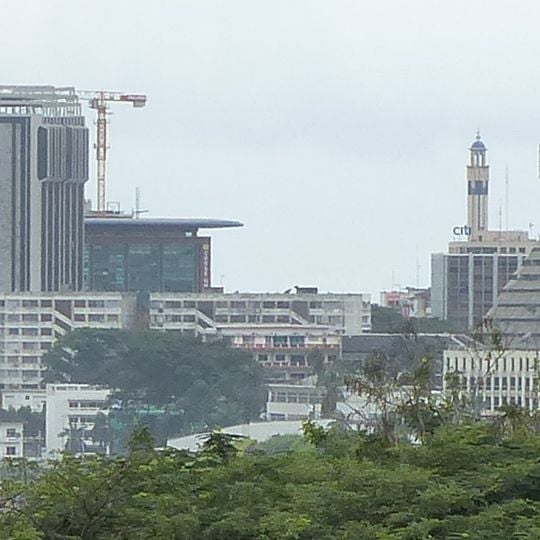
Abidjan, Economic capital in Gulf of Guinea, Ivory Coast
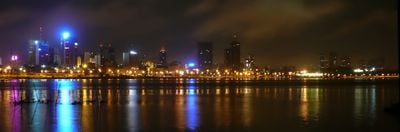
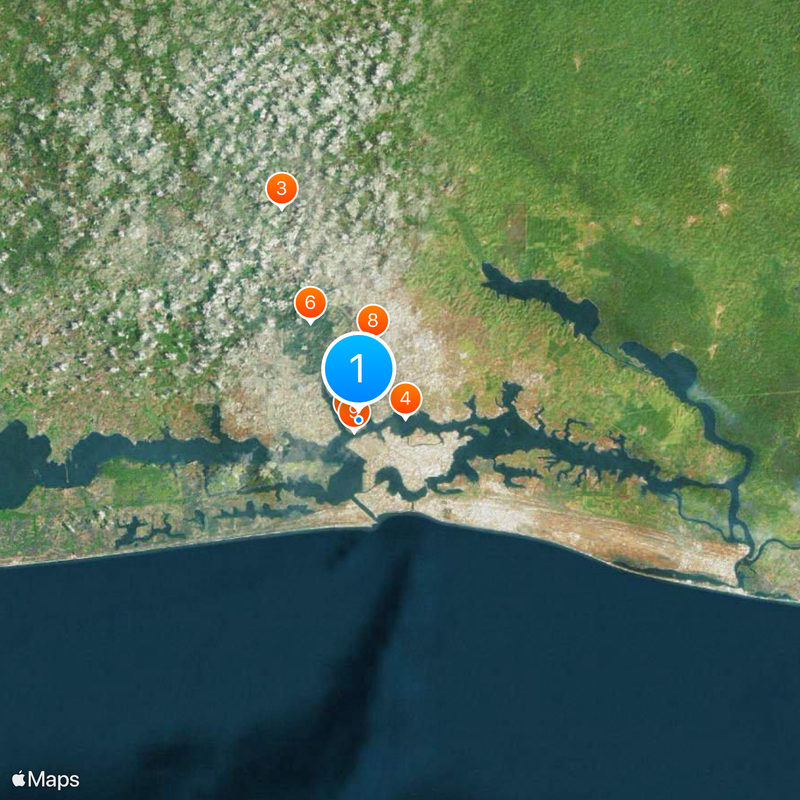
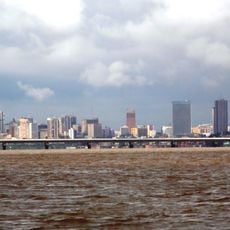
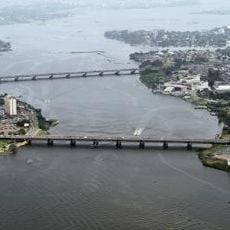
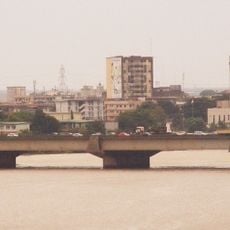
Abidjan sits on a series of peninsulas and islands linked by bridges along the Ébrié Lagoon, creating the largest French-speaking city in West Africa. The layout divides into modern business districts in the south and crowded residential areas in the north, separated by calm lagoon waters.
French colonists founded the settlement in 1898 after moving away from an area affected by yellow fever outbreaks. Following independence in 1960, the city took on most capital functions even though Yamoussoukro became the official political center.
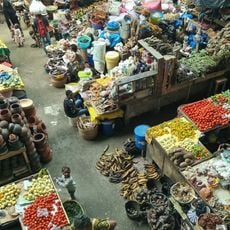
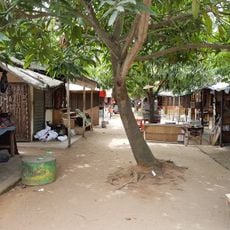
Locals gather in open-air maquis eateries to eat grilled fish with attiéké and listen to zouglou or coupé-décalé music that fills the evening air. Treichville and Adjamé neighborhoods come alive with street traders and vendors who sell cloth, spices, and handmade goods throughout the day.
The international airport sits east of the city center and provides connections to destinations across Africa and beyond. Shared minibuses and taxis move between neighborhoods, and bridges can get crowded during morning and evening hours.
Over seventy indigenous languages are spoken alongside French, making this the most linguistically diverse urban center in French-speaking Africa. The Banco Forest Reserve sits inside the city limits, preserving primary rainforest surrounded by residential neighborhoods and roads.
The community of curious travelers
AroundUs brings together thousands of curated places, local tips, and hidden gems, enriched daily by 91,261 contributors worldwide.