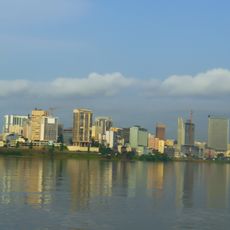
Ivory Coast, West African country in Gulf of Guinea, West Africa
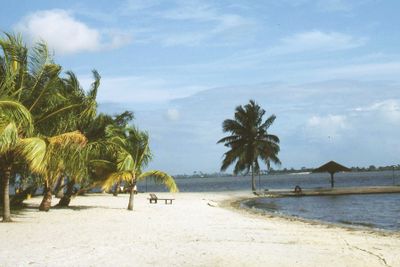
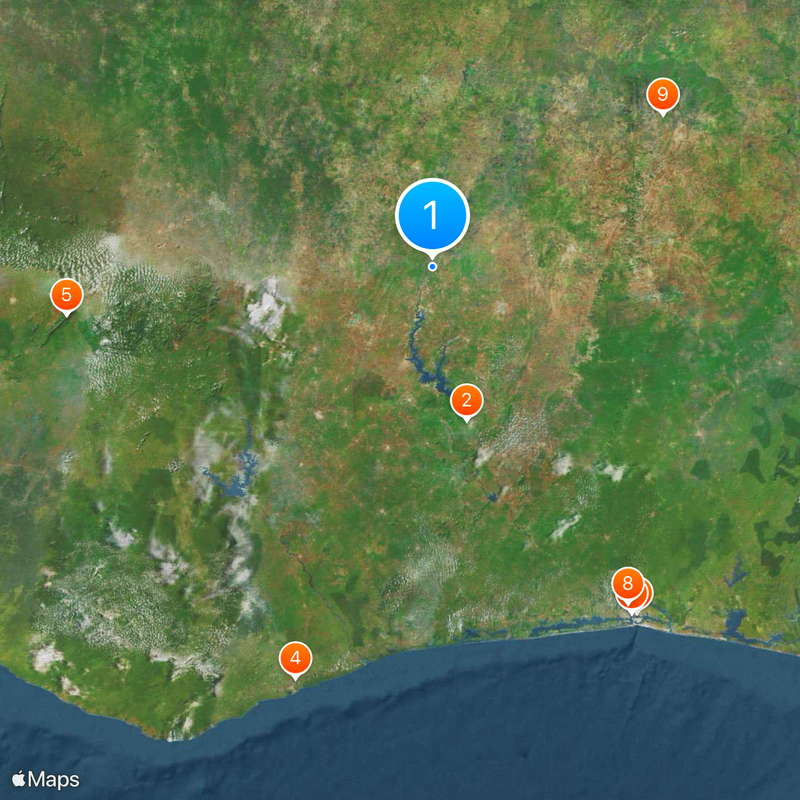
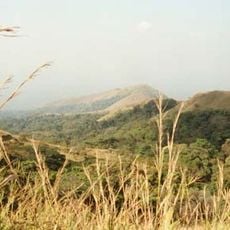
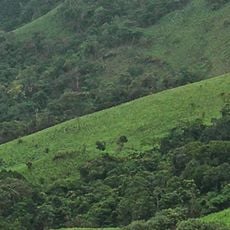
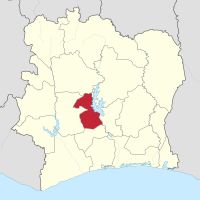
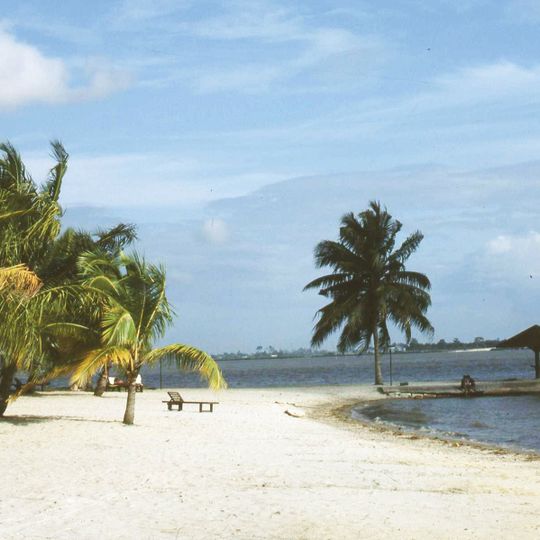
Ivory Coast is a West African republic on the Gulf of Guinea that extends from the Atlantic to the Sahel zone. The country shows dense rainforest in the south and grass savannas in the north, while the central region forms a transition zone between these climate areas.
After independence from France in 1960, Félix Houphouët-Boigny led the nation through economic development based on cocoa and coffee exports. Political unrest shook the country in the early 2000s and divided the territory temporarily.
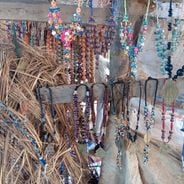
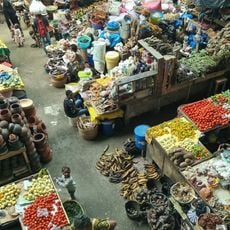
The name comes from Portuguese traders who observed the ivory trade along this coast and named the region accordingly. Today this diversity appears in the open-air markets, where hand-woven cloth, carved masks and roasted cocoa beans shape everyday life.
Travelers can exchange money to West African CFA francs and navigate between cities using shared taxis, buses and domestic flights from Abidjan airport. The dry season from November to March offers the most favorable travel conditions and visas are available on arrival.
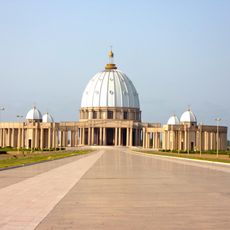
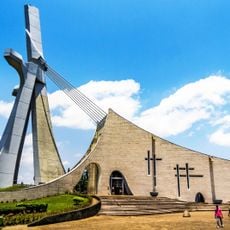
The Basilica of Our Lady of Peace in Yamoussoukro ranks as the largest church building in the world and surpasses even Saint Peter's Basilica in Rome with an area of 30,000 square meters (323,000 square feet). Its construction in the late 1980s sparked considerable debate.
The community of curious travelers
AroundUs brings together thousands of curated places, local tips, and hidden gems, enriched daily by 90,754 contributors worldwide.