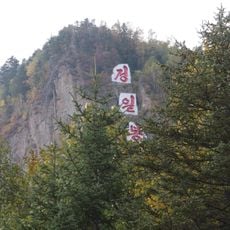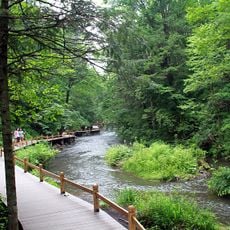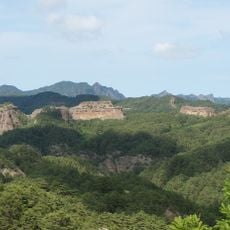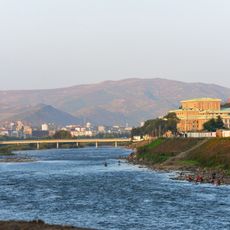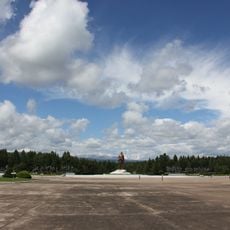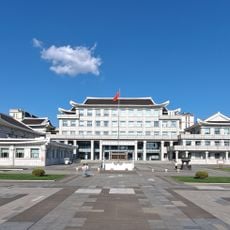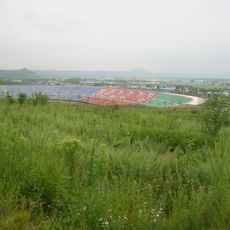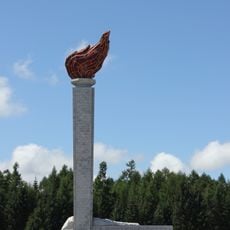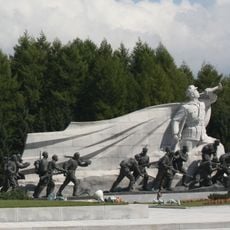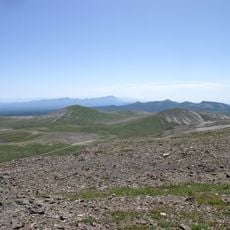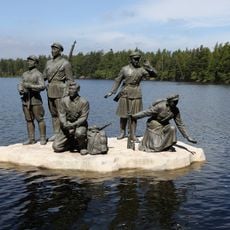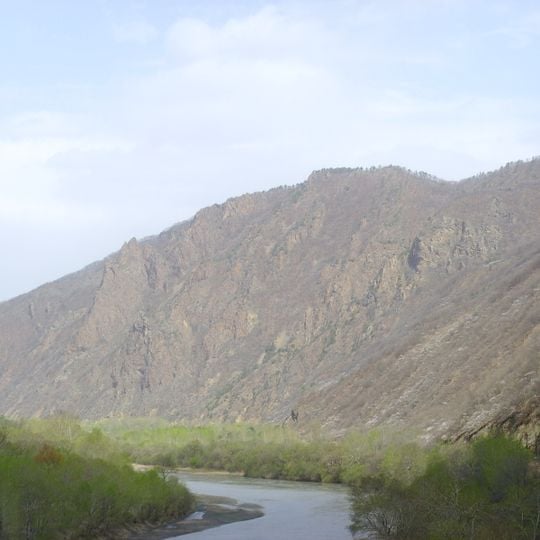
Tumen River, Border river between China, North Korea and Russia
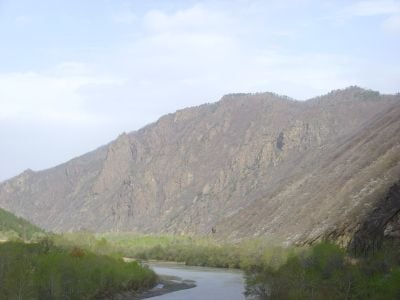
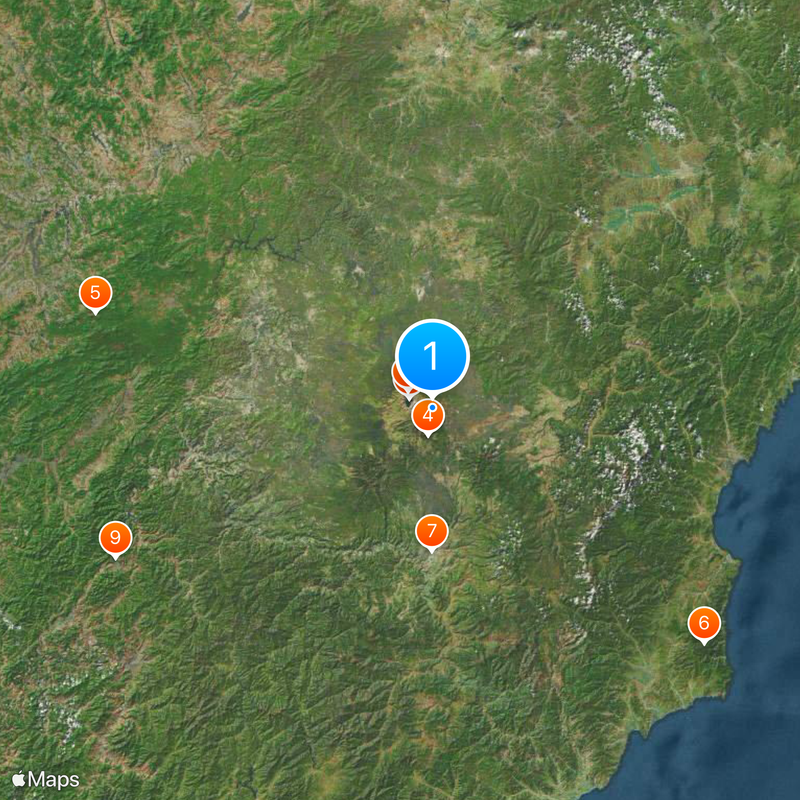
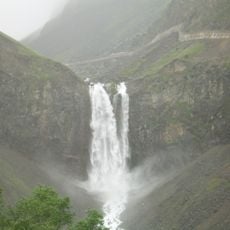
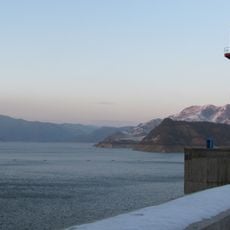
The Tumen River is a border waterway flowing for about 521 kilometers from Mount Paektu through northeastern China and North Korea to the Sea of Japan. It shapes the landscape with different ecosystems as it moves through several provinces and countries, creating a major natural corridor in the region.
The name comes from a Mongolian word meaning ten thousand, reflecting the scale and strength of this waterway in the region. Throughout history, the river served as a natural dividing line that shaped the borders and relationships between the territories and peoples along its banks.
The river marks a natural boundary where Chinese, Korean, and Russian traditions meet and blend through the daily life of communities on its banks. Local towns reflect this intersection through their architecture, food, and the ways people live along the water.
The border landscape is best explored from towns like Tumen, where restaurants and public spaces offer views across the water to neighboring territories. Summer and autumn are the best seasons to visit, when weather is mild and the surroundings are easily accessible.
The river is home to specific fish species like Tumen lenok and bighead gudgeon, which led local authorities to release salmon seedlings to support fishing and ecological balance. These efforts reveal how the region works to preserve its natural resources while maintaining traditional fishing practices.
The community of curious travelers
AroundUs brings together thousands of curated places, local tips, and hidden gems, enriched daily by 92,718 contributors worldwide.