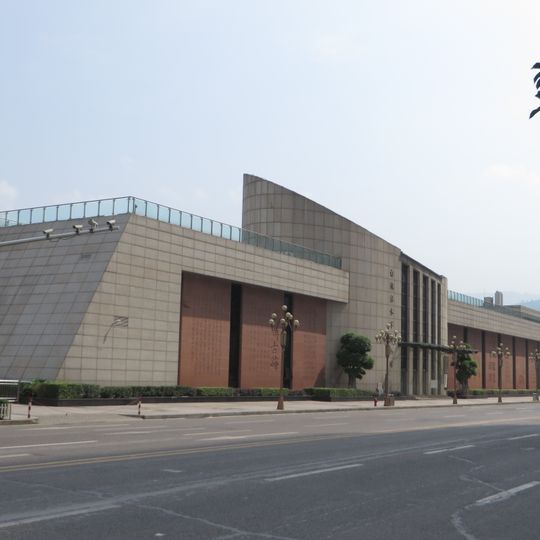
Baiheliang, Protected cultural heritage site in Fuling, China
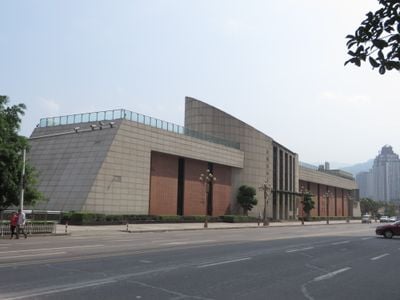
Baiheliang, also called White Crane Ridge, is a submerged rock formation in the Yangtze River that bears over 160 stone carvings along its surface. Today the site sits beneath the water, yet visitors can reach it through an underwater tunnel leading to a museum that holds the original records and sculptures.
The stone carvings started during the Tang Dynasty around 763 and continued for over twelve centuries as communities marked the water levels. The inscriptions stopped only when rising waters eventually submerged the entire ridge beneath the Yangtze.
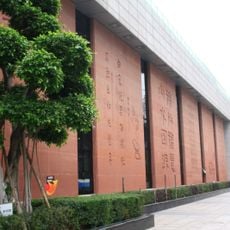
The carvings display messages in Chinese and Mongolian scripts that reveal how people once tracked water patterns for daily life and travel. Today visitors can see these records in a museum and grasp how communities managed the river's changing moods over centuries.
The site is reached through a secure underwater tunnel connected to a museum, so visitors should be comfortable with enclosed water passages. Year-round access is possible, though cool temperatures near the tunnel and water currents can sometimes affect visiting conditions.
The stone inscriptions represent the world's longest continuous water-level record, spanning a millennium of unbroken observation. Visitors encounter a hidden archive that shows how communities monitored river behavior across an extraordinarily long timeframe.
The community of curious travelers
AroundUs brings together thousands of curated places, local tips, and hidden gems, enriched daily by 90,840 contributors worldwide.