Suzhou Museum, Museum in Gusu District, Suzhou, China
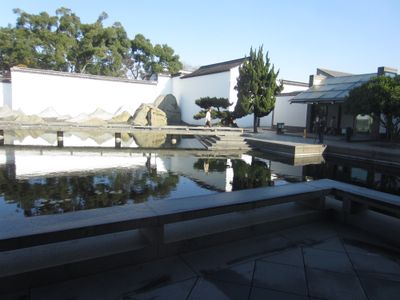
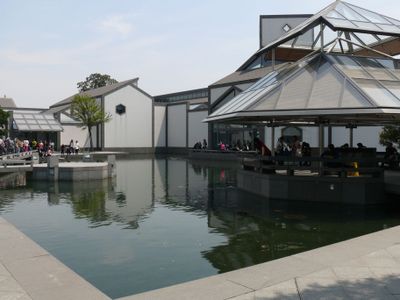
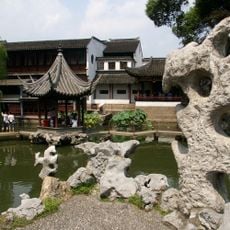
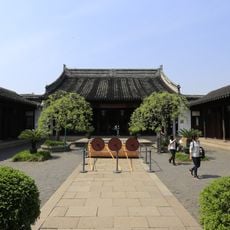
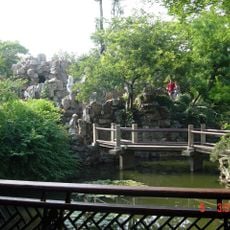
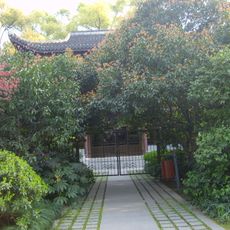
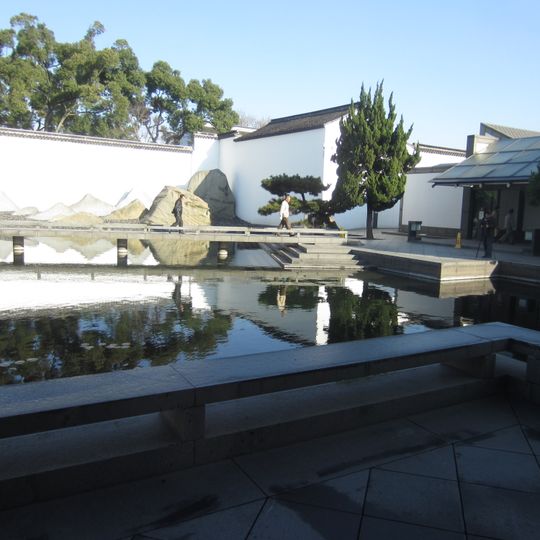
The Suzhou Museum houses artwork and historical objects in a modern building with garden spaces that flow through the design. The galleries display ceramics, calligraphy, paintings, and crafted items from different periods.
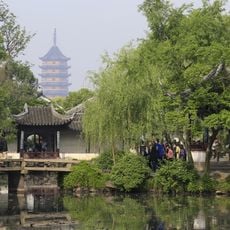
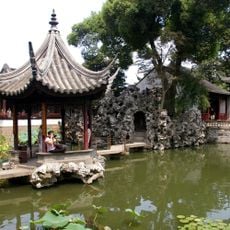
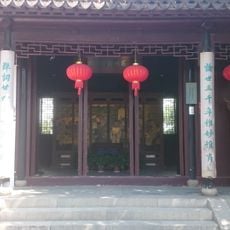
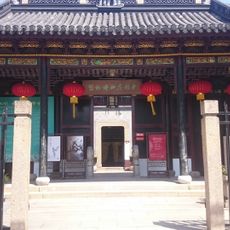
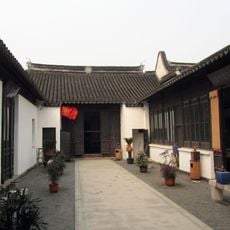
The Suzhou Museum was founded on 1 January 1960 in the former residence of Zhong Wang, a general of the Taiping Rebellion. In 1986 the Suzhou Folk Museum opened at the Bei family ancestral temple near Lion Grove Garden, on the 2,500th anniversary of the city's founding. Construction of I.M. Pei's new building began in 2002 and it was inaugurated on 6 October 2006, costing 3.39 million yuan.
The museum's four permanent displays are named after Wu: Relics of Wudi, National Treasure of Wu Tower, Wuzhong Fengya and Wumen Calligraphy and Painting. They present prehistoric pottery and jade, Buddhist relics from Tiger Hill's Yunyan Temple and Ruiguang Temple, and paintings by Song, Ming and Qing masters. The modern art gallery has shown Zao Wou-ki, Cai Guoqiang and Xu Bing.
The main museum at 204 Dongbei Street requires a reservation; the West Pavilion at 399 Changjiang Road and the Folk Branch at 32 Panru Lane do not. It opens Tuesday to Sunday, 9:00 to 17:00, with last entry at 16:00, and closes Mondays except on national statutory holidays. Free guided tours are offered inside.
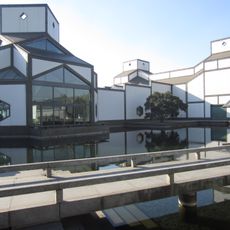
I.M. Pei replaced traditional wooden beams with a steel structure and used "China black" granite tiles instead of brick tiles on the roofs. Metal sunshades regulate the daylight admitted by the stone-and-glass roof. The design uses octagons, rhombuses and triangles: the atrium and several halls are octagonal, and some windows are rhombus-shaped.
The community of curious travelers
AroundUs brings together thousands of curated places, local tips, and hidden gems, enriched daily by 92,784 contributors worldwide.