Suzhou Museum of Opera and Theatre, Opera museum in Pingjiang Historic Block, China
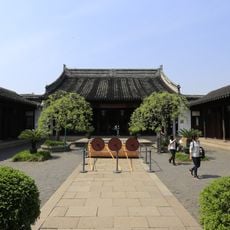
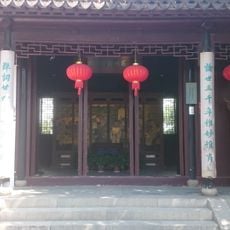
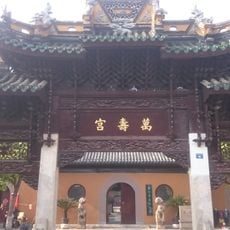
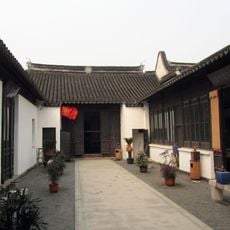
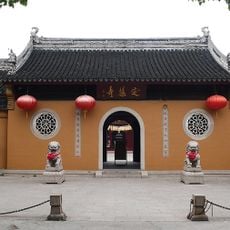
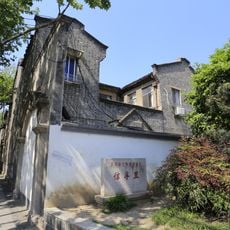
The Suzhou Museum of Opera and Theatre, also called the China Kunqu Museum, occupies the Quanjin Guild Hall at 14 Zhongzhangjia Lane in the Pingjiang area. The hall was first built in 1765 by Shanxi merchants, destroyed in 1860, and rebuilt on its present site in 1879. Its three parallel ranges and four courtyards centre on a two-storey stage whose dome is carved with 324 bats.
The Quanjin Guild Hall was founded in 1765 by Shanxi merchants on Shantang Street and destroyed by Taiping troops in 1860. It was rebuilt in 1879 at its present site on Zhongzhangjia Lane, where its three parallel ranges and four courtyards survive. After decades of use by factories, schools and residents, restoration began in 1983 and the Suzhou Museum of Opera and Theatre opened there in October 1986.
The museum presents traditional performances on a classical stage with an arched roof designed for superior sound quality. Visitors can see how this art form remains alive in Suzhou and discover the instruments used in these shows.
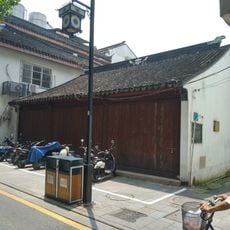
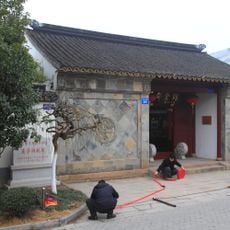
The museum occupies the Quanjin Guild Hall at No. 14 Zhongzhangjia Lane in the Pingjiang subdistrict of Gusu District. It is open Tuesday to Sunday and also on Mondays that fall on public holidays; admission is free. The Kunqu Sunday matinee is ticketed, and lectures are held irregularly. The guild hall is a heritage point of the Grand Canal's Suzhou section.
The museum's most prized object is the "Baohetang" lantern frame, a late Qing construction of hundreds of rosewood and boxwood pieces inlaid with ivory, coral and gemstones. It is the only surviving example of a tangming dengdan, a lantern frame carried in processions of amateur kunqu singing clubs, and is listed as a Grade II national cultural relic.
The community of curious travelers
AroundUs brings together thousands of curated places, local tips, and hidden gems, enriched daily by 94,134 contributors worldwide.