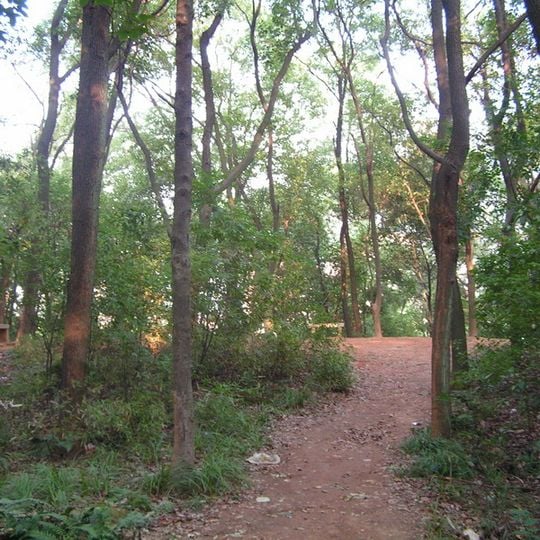
Mawangdui, Archaeological tomb site in Changsha, China
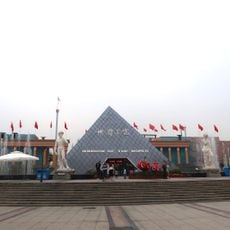
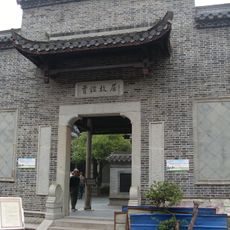
Mawangdui is an archaeological tomb site in Changsha, China, consisting of three underground chambers built with cypress wood and sealed with white clay. The site sits in an urban residential district and is accompanied by a small museum displaying finds and models.
The tombs were discovered between 1972 and 1974 and belonged to Li Cang, a chancellor of the Changsha kingdom, his wife Xin Zhui, and likely their son. The complex dates to the Western Han Dynasty and was built in the second century BC.
Visitors can see replicas of the burial chambers and portions of the original finds that show how wealthy families equipped their dead in the second century BC. The silk banners, medical texts, and celestial maps offer insight into beliefs and knowledge of that era.
Access is provided by several bus routes that stop near the residential neighborhood, and admission is typically available for a small fee. The site is open during the day, and a visit lasts about an hour to view the museum displays and tomb markers.
The body of Xin Zhui remained so well preserved after more than two millennia that soft tissues and internal organs were still flexible. This extraordinary conservation allowed medical examinations into diet and health conditions in ancient China.
The community of curious travelers
AroundUs brings together thousands of curated places, local tips, and hidden gems, enriched daily by 91,151 contributors worldwide.