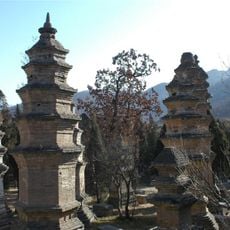
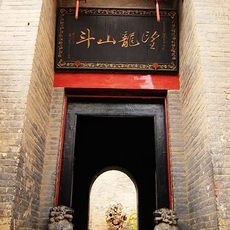
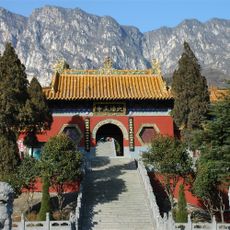
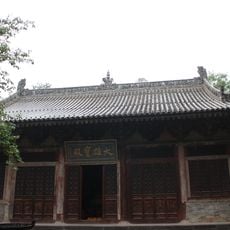
Imperial Mausoleums of the Northern Song Dynasty, Northern Song dynasty cemetery in Gongyi, China.
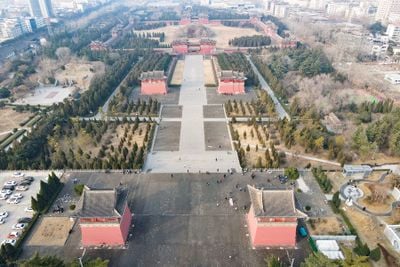
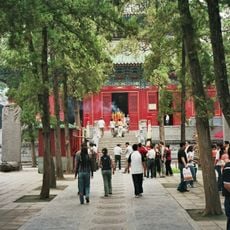
The Song Tombs form a cemetery complex with eight imperial mausoleums distributed across Xicun, Zhitian, and Huiguo in the Gongyi region of Henan Province. The sites feature traditional stone structures and pathways that connect the separate burial grounds across the landscape.
Construction began in 963 when Emperor Taizu built the Anling tomb and reburied his father Zhao Hongyin there. Seven imperial mausoleums followed, from Yongchang for Taizu (buried 977) to Yongtai for Zhezong (buried 1100). In 1127 the Jin captured Kaifeng; later raids by Jin and Qi forces looted the tombs, leaving them ruined by the Yuan period.
The tombs follow feng shui rules of the "Five Sounds and Surnames" system: because the Zhao emperors' surname belonged to the jiao sound linked to wood and the east, the sites were laid out with higher ground to the south and east. Empress tombs, subsidiary palaces and temples therefore stand northwest of each emperor's upper palace, and later tombs were added further northwest.
The grounds are located on Du Fu Road and remain open year-round without admission charges. You can explore the burial sites at your own pace, though researching the layout of different locations beforehand helps with planning your visit.
Each mausoleum carries the prefix 'Yong' in its name, such as Yong'an, Yongchang, and Yongxi. This consistent naming system followed imperial conventions of the era and created a recognizable identity for each burial site.
The community of curious travelers
AroundUs brings together thousands of curated places, local tips, and hidden gems, enriched daily by 92,793 contributors worldwide.